
Get Answers
Introduction
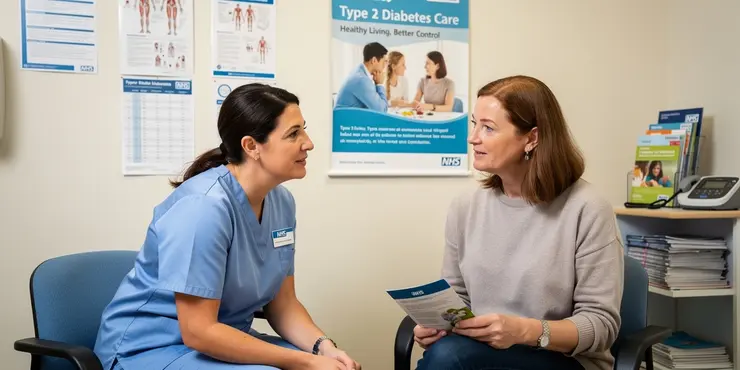
Managing Type 2 Diabetes involves a comprehensive approach that includes lifestyle changes, medication, and regular monitoring. In the UK, there are numerous resources and support networks available for individuals seeking assistance in managing their condition. These resources are designed to provide advice, education, and support to improve health outcomes.
NHS Services
In the UK, the National Health Service (NHS) is a primary source of support for people with Type 2 Diabetes. The NHS offers various services that include regular health check-ups, access to healthcare professionals such as dietitians and diabetes nurses, and educational programs like the Diabetes Education and Self Management for Ongoing and Newly Diagnosed (DESMOND) course. These resources aim to empower individuals to manage their diabetes more effectively.
Diabetes UK
Diabetes UK is the leading charity for people living with diabetes. It provides an array of resources, including information on managing the condition, support groups, and events. Diabetes UK also operates a helpline for those seeking advice and emotional support. As a community-driven organization, it focuses on advocacy, research funding, and providing practical guidance to help manage diabetes.
Online Resources
There are numerous online resources available for managing Type 2 Diabetes. Websites such as Patient.info and NHS Choices provide comprehensive information on diabetes management. Additionally, online forums and support groups like Diabetes.co.uk offer a platform for individuals to share experiences, tips, and advice. These resources can be invaluable for those who prefer or require remote access to support and information.
Pharmacy Services
Pharmacies across the UK offer support for managing Type 2 Diabetes, including medication reviews and management advice. Many pharmacies provide blood glucose monitoring services and can offer advice on maintaining a healthy lifestyle. Engaging with your local pharmacist can be a convenient way to receive practical support and medication management assistance.
Local Support Groups
Local support groups provide an opportunity for individuals with Type 2 Diabetes to connect with others in similar situations. These groups often meet regularly and are a place to exchange knowledge, experience, and encouragement. Your GP or local community centre may have information on support groups available in your area.
Conclusion
Finding the right support to manage Type 2 Diabetes is crucial for maintaining good health and quality of life. Whether through the NHS, Diabetes UK, online resources, pharmacy services, or local support groups, there are ample opportunities for individuals to find the resources they need. Taking advantage of these supports can help individuals better manage their diabetes and achieve better health outcomes.
Introduction
If you have Type 2 Diabetes, it means you need to look after your health carefully. This means changing how you live, taking medicine, and having check-ups. In the UK, there is lots of help available. People can find advice and learn more to get healthier.
NHS Services
The NHS helps people with Type 2 Diabetes. They offer health check-ups and let you see experts like dietitians and diabetes nurses. You can also join programs like the DESMOND course to learn how to manage diabetes better.
Diabetes UK
Diabetes UK is a charity that helps people with diabetes. They provide information, support groups, and events. If you need to talk, they have a helpline. They also focus on research and guidance to help people manage their diabetes.
Online Resources
You can find help online for managing Type 2 Diabetes. Websites like Patient.info and NHS Choices have lots of information. Online forums like Diabetes.co.uk let people share stories and tips. These are helpful if you like getting support online.
Pharmacy Services
Pharmacies in the UK help with diabetes too. They can review your medicine and give advice. Many can check your blood sugar levels and help you live healthily. Your local pharmacist can talk to you about managing your medication.
Local Support Groups
Local groups let people with Type 2 Diabetes meet and share experiences. These groups meet regularly and offer support. You can ask your doctor or community center about groups near you.
Conclusion
Getting the right help for Type 2 Diabetes is important for feeling well. With help from the NHS, Diabetes UK, websites, pharmacies, and support groups, you can manage your diabetes better. Using these resources can lead to better health.
Frequently Asked Questions
You can find guidance on managing Type 2 Diabetes through NHS resources, Diabetes UK, and your local GP practice.
You can get personalized advice by scheduling appointments with your GP or a diabetes specialist nurse.
Yes, Diabetes UK offers local support groups and online forums for people with Type 2 Diabetes.
Yes, ask your GP for a referral to a dietitian who can provide tailored nutritional advice.
The NHS website and Diabetes UK offer extensive online resources, including educational materials and lifestyle advice.
Your GP can refer you to a diabetes specialist nurse within your local healthcare service.
The NHS does not have a specific diabetes helpline, but you can call Diabetes UK’s helpline at 0345 123 2399 for support.
Yes, the NHS endorses apps like mySugr and One Drop for managing Type 2 Diabetes.
Yes, speak to your GP about counseling or referral to a psychologist for support in managing stress related to diabetes.
Your GP can refer you to programs like DESMOND or DAFNE, which are educational courses specifically for diabetes management.
Diabetes UK is a prominent charity offering support and advocacy for people with diabetes.
You may be eligible for free glucose monitoring equipment through the NHS; consult your GP or diabetes care team.
Your local pharmacy can offer medication reviews, advice on managing diabetes, and information on healthy living.
Many local community centers and gyms offer exercise programs tailored for people with diabetes; your GP might have recommendations.
Yes, you can join research studies; check with your local diabetes center or Clinical Research Network.
Yes, the Diabetes UK website hosts forums where you can connect with others who have Type 2 Diabetes.
Schools can support by setting up health care plans and coordinating with parents and healthcare providers to manage diabetes in children.
If you need urgent medical help, contact your GP, your diabetes care team, or call NHS 111 for advice.
You may be eligible for certain benefits like Personal Independence Payment (PIP); speak with a welfare advisor for more information.
Encourage them to attend medical appointments, support healthy lifestyle changes, and share information from Diabetes UK and the NHS.
You can learn how to handle Type 2 Diabetes with help from the NHS website, Diabetes UK, and by talking to your local doctor.
You can get advice just for you by making an appointment with your doctor or a nurse who knows a lot about diabetes.
Yes, Diabetes UK has local groups and online chats for people with Type 2 Diabetes. These are places where you can get support and meet others like you.
Yes, talk to your doctor. They can help you see a special food expert called a dietitian. The dietitian will give you advice on what foods are best for you.
The NHS website and Diabetes UK have lots of helpful information online. They share easy-to-read guides and tips on how to live a healthy life.
Your doctor can help you see a special nurse for diabetes at your local health center.
The NHS does not have a special phone line for diabetes help. But you can call Diabetes UK for support. Their number is 0345 123 2399.
Yes, the NHS likes apps like mySugr and One Drop. These apps help people take care of Type 2 Diabetes.
Yes, talk to your doctor about getting help. They can tell you about talking to a counselor or seeing a psychologist. This can help you feel better about stress from diabetes.
Your doctor can help you join programs called DESMOND or DAFNE. These are classes that teach you how to take care of your diabetes.
Diabetes UK is a big charity that helps people with diabetes. They talk to people in power to make things better for those with diabetes.
You might get free tools to check your blood sugar from the NHS. Talk to your doctor or diabetes care team to find out more.
Your local pharmacy can help you in different ways. They can check your medicine, tell you how to manage diabetes, and give tips for healthy living.
Local community centers and gyms often have special exercise classes for people with diabetes. These classes are made to help you. You can ask your doctor for ideas on where to go.
Yes, you can take part in research studies. Ask at your local diabetes center or Clinical Research Network for help.
Yes, the Diabetes UK website has a place where you can chat with other people who have Type 2 Diabetes. It is called a forum.
Schools can help by making a plan for looking after kids with diabetes. They can talk to parents and doctors to make sure children get the care they need.
If you need help quick because you are sick, you can:
- Call your doctor (GP).
- Call the people who help you with your diabetes.
- Call NHS 111 to get advice.
You might be able to get some money help called Personal Independence Payment (PIP). Talk to a helpful person called a welfare advisor to find out more.
Help them go to doctor visits. Support them in living healthy. Share information from Diabetes UK and the NHS.

Ergsy Search Results
This website offers general information and is not a substitute for professional advice.
Always seek guidance from qualified professionals.
If you have any medical concerns or need urgent help, contact a healthcare professional or emergency services immediately.
Some of this content was generated with AI assistance. We've done our best to keep it accurate, helpful, and human-friendly.
- Ergsy carefully checks the information in the videos we provide here.
- Videos shown by Youtube after a video has completed, have NOT been reviewed by ERGSY.
- To view, click the arrow in centre of video.
- Most of the videos you find here will have subtitles and/or closed captions available.
- You may need to turn these on, and choose your preferred language.
- Go to the video you'd like to watch.
- If closed captions (CC) are available, settings will be visible on the bottom right of the video player.
- To turn on Captions, click settings.
- To turn off Captions, click settings again.