
Speak To An Expert
Get clear, personalised advice for your situation.
Jot down a few questions to make the most of your conversation.
What is Identity Theft?
Identity theft is a form of crime where an individual's personal information is stolen and used without their consent. This information can include names, addresses, date of birth, financial information, and even national insurance numbers. Criminals use this data to commit fraud or deception, typically for financial gain. Identity theft can take many forms, ranging from unauthorized credit card transactions to the fraudulent acquisition of loans and benefits under the victim's name.
How Does Identity Theft Affect the Elderly?
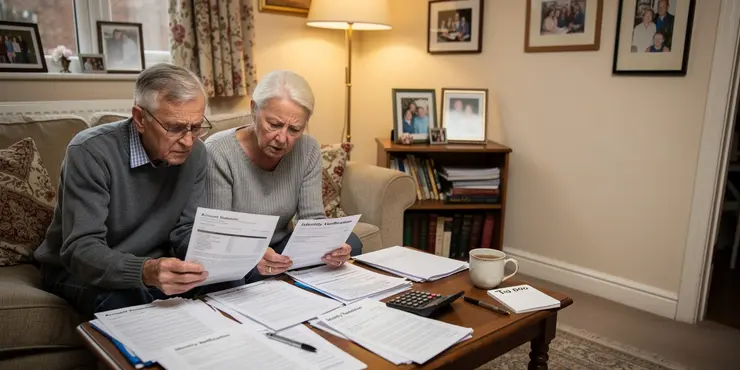
The elderly are particularly vulnerable to identity theft for several reasons. They may have more savings or established credit histories, making them attractive targets for fraudsters. In addition, older individuals may not be as familiar with modern technology or the latest scams, which can make them easier prey to online deception or social engineering tactics.
Elderly victims of identity theft can face significant financial challenges. Fraudsters might open new accounts in their name or make large purchases, which can lead to unexpected debt and a damaged credit rating. This financial strain can be particularly distressing for older individuals who are on a fixed income or living off their pensions.
Beyond financial harm, identity theft can also have serious emotional and psychological effects on elderly victims. The realization that they have been exploited can lead to feelings of vulnerability, loss of autonomy, and decreased trust in others. This emotional distress can also contribute to or exacerbate health issues, particularly those related to stress and anxiety.
Moreover, resolving identity theft can be time-consuming and complex, requiring victims to go through numerous bureaucratic steps to clear their name and restore their financial standing. This process can be particularly daunting for older individuals, especially those with limited mobility or cognitive impairments, making it a taxing ordeal both mentally and physically.
Protective Measures and Support
It is crucial for elderly individuals and their families to take proactive steps in protecting against identity theft. This includes regularly monitoring bank statements and credit reports for any unauthorized activity. Educating older adults about common scams and phishing techniques can also be an effective preventive measure. Ensuring sensitive documents are securely stored and not easily accessible to strangers is another key strategy.
In the UK, there are resources available to help victims of identity theft. Organizations such as Action Fraud and Age UK offer advice and support to help navigate the recovery process. Reporting suspected fraud as soon as it is discovered is vital, as prompt action increases the likelihood of minimizing damage and reclaiming one's identity.
What is Identity Theft?
Identity theft is when someone steals your personal information and uses it without asking you. This information can be things like your name, address, birthday, and bank details. Bad people use this information to pretend to be you and get money. They might use your credit card or take out loans pretending to be you.
How Does Identity Theft Affect the Elderly?
Older people are at higher risk for identity theft for a few reasons. They might have more savings or good credit, which is attractive for thieves. Also, they might not know much about new technology or tricks used online, so it’s easier for them to be tricked.
When elderly people suffer from identity theft, it can make them lose money. Thieves might open new accounts in their name or make big buys. This can cause unexpected bills and hurt their credit score. This is a big worry for older people, especially if they rely on their savings or pension to live.
Besides losing money, identity theft can also make older people feel scared and upset. Finding out someone has taken their information can make them feel unsafe and not trust others. This stress can make them feel even worse, especially if they already have health problems.
Fixing identity theft can take a lot of time and effort. Victims have to do a lot of steps to show it wasn't their fault and fix their money problems. This can be hard for older people, especially if moving around or thinking clearly is hard for them.
Protective Measures and Support
It’s important for older people and their families to be careful to stop identity theft. They should check their bank accounts and credit reports often to see if anything weird is happening. Teaching them about common tricks and scams can also help. Keeping important documents safe and away from strangers is really important.
In the UK, there is help for people who experience identity theft. Groups like Action Fraud and Age UK give advice and help people fix the problem. Reporting the theft quickly can help stop more problems and start fixing what’s been broken.
Frequently Asked Questions
Identity theft is a criminal act where someone uses another person's personal information, such as name, Social Security number, or credit card details, without permission, often for financial gain.
Elderly individuals are often targeted because they may have substantial savings, may be less likely to notice fraudulent activity quickly, and can be more trusting towards scammers.
Common forms include financial fraud, medical identity theft, tax-related identity theft, and scams related to Social Security benefits.
The elderly may be more vulnerable due to isolation, lack of familiarity with technology, cognitive decline, and a generous nature that scammers exploit.
Signs include unexplained transactions, calls from collection agencies, missing mail, denied credit applications, and unexpected bills.
Steps include regularly monitoring financial statements, keeping personal information secure, using strong passwords, and being cautious of unsolicited phone calls or emails.
Family members can assist by helping monitor accounts, educating on potential scams, setting up fraud alerts, and making sure personal information is safeguarded.
Report the fraud to their financial institutions, contact the credit bureaus to place fraud alerts, file a report with the FTC, and consider involving local law enforcement.
Yes, scams like Medicare or Social Security impersonation, grandparent scams, and sweepstakes fraud often target the elderly.
Yes, fraudulent activities can damage an elderly person's credit score, making it more difficult to obtain credit or loans.
The internet provides a means for scammers to use phishing emails, fake websites, and online scams to steal personal information from unsuspecting elderly individuals.
Regular monitoring can quickly alert an individual to unauthorized transactions, allowing them to take swift action to mitigate damage.
Medical identity theft involves using an individual's personal information to obtain medical services or goods, potentially leading to erroneous medical records and financial loss.
Freezing credit can be an effective way to prevent new account fraud by prohibiting creditors from accessing credit reports without explicit permission.
Education helps them recognize red flags, avoid sharing personal information, and understand the tactics scammers may use.
Laws like the Fair Credit Reporting Act and the Identity Theft and Assumption Deterrence Act provide remedies, including the right to dispute fraudulent charges and errors.
Organizations like the AARP, the FTC, and local elder advocacy groups offer resources and support for victims.
Scammers may file fraudulent tax returns under an elderly person's name to claim refunds, complicating legitimate tax-filing processes.
Yes, recovery includes reporting the theft, disputing fraudulent charges, repairing credit reports, and implementing safeguards to prevent future incidents.
Yes, using secure online practices, identity protection services, and software for phishing and malware protection can enhance security for elderly individuals.
Identity theft is a crime. It happens when someone takes your personal information. This can be things like your name, Social Security number, or credit card details. They do this without asking you. They usually want to get money or something else from it.
Older people are sometimes tricked by bad people. This is because:
- They might have a lot of money saved up.
- They may not notice when someone is tricking them quickly.
- They are often more trusting and believe what others say.
If you know someone older, help them by:
- Talking to them about scams.
- Telling them not to give money or personal information to strangers.
- Showing them how to check their bank statements.
Using a magnifying glass or reading computer text out loud can also help them understand better.
There are different types of identity theft. Some common ones are:
- Taking money or using your bank account without asking.
- Using your name to get medical care or medicines.
- Pretending to be you to avoid paying taxes.
- Trickery to steal benefits like Social Security.
If you find this hard, you can use tools that read text out loud. You can also ask someone you trust to help explain the information.
Older people might be in more danger because they are often alone. They might not know how to use new gadgets. They can also have trouble remembering things. Scammers might take advantage of their kindness.
Look for signs like strange money moves, calls from people wanting you to pay money, missing letters, credit card rejections, and surprise bills.
Here are some steps to help you stay safe with your money:
- Keep checking your money records often.
- Make sure your private information is safe.
- Use strong passwords. A strong password has numbers, big and small letters, and special symbols.
- Be careful with phone calls or emails that you didn't ask for. They might not be safe.
You can also ask someone you trust for help or use apps that help you keep your money safe.
Family can help by watching over accounts, teaching about scams, setting up warnings for fraud, and keeping personal information safe.
If you see someone stealing money or information that is not theirs, here’s what you can do:
1. Tell the bank about the stealing.
2. Call the credit bureaus so they can help protect you. They can put a "fraud alert" on your account.
3. Tell the Federal Trade Commission (FTC) about the problem. They can help too.
4. You can also talk to the local police for help.
These steps can help keep your money and information safe.
Yes, some bad people try to trick older people with different types of scams. They pretend to be from Medicare or Social Security, or they pretend to be a grandchild in trouble, or say you've won a contest. Be careful!
Yes, if someone does bad things with an older person's money, it can hurt their credit score. This makes it hard for them to get money or loans from the bank.
The internet lets bad people trick others. They send fake emails and make fake websites. These tricks can steal personal details from older people who are not careful.
Checking your money often can help you see if someone is spending it without asking. Then, you can stop it quickly and keep your money safe.
Medical identity theft is when someone uses your personal information to get medical care or goods. This can cause mistakes in your medical records and cost you money.
Recommendations: - Ask someone you trust to help you check your medical bills. - Keep your personal information safe. - If you find mistakes, tell your doctor quickly.Freezing your credit is a good way to stop people from opening fake accounts in your name. It does this by not letting anyone see your credit report unless you say it's okay.
Learning helps people see warning signs, keep their personal information safe, and know the tricks that scammers use.
There are laws to help if someone uses your money or information without asking. These laws can help fix mistakes and problems. You also have the right to say if something is wrong.
Groups like AARP, FTC, and local elder help groups have tools and support for people who need help.
Bad people might try to steal money by pretending to be an older person. They could fill out fake tax forms to get money that isn't theirs. This makes it harder for the real person to do their taxes.
It's a good idea to ask someone you trust for help with your taxes. Using a tax advisor or a family member can help keep your information safe. Keeping a watchful eye on your mail and communications for anything strange can also be helpful.
Yes, getting back on track means telling someone about the theft, saying no to charges that are not yours, fixing credit papers, and making sure it doesn’t happen again.
Yes, older people can stay safe online by doing a few things. They can use safe habits when on the internet, choose services that help protect their identity, and use special programs that stop bad software and trick emails. These steps can help keep them safe.

Ergsy Search Results
This website offers general information and is not a substitute for professional advice.
Always seek guidance from qualified professionals.
If you have any medical concerns or need urgent help, contact a healthcare professional or emergency services immediately.
Some of this content was generated with AI assistance. We've done our best to keep it accurate, helpful, and human-friendly.
- Ergsy carefully checks the information in the videos we provide here.
- Videos shown by Youtube after a video has completed, have NOT been reviewed by ERGSY.
- To view, click the arrow in centre of video.
- Most of the videos you find here will have subtitles and/or closed captions available.
- You may need to turn these on, and choose your preferred language.
- Go to the video you'd like to watch.
- If closed captions (CC) are available, settings will be visible on the bottom right of the video player.
- To turn on Captions, click settings.
- To turn off Captions, click settings again.