
Speak To An Expert
Get clear, personalised advice for your situation.
Jot down a few questions to make the most of your conversation.
How Does Dehydration Affect Gut Health in the Elderly?
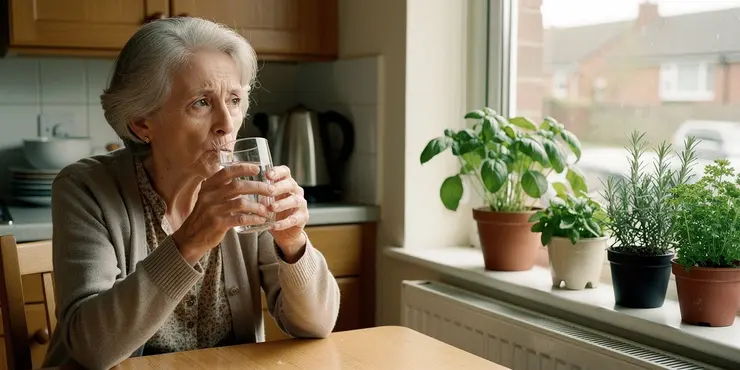
Dehydration can have significant implications for gut health, particularly in the elderly population. As we age, our bodies undergo various physiological changes that can influence fluid balance and hydration status. Unfortunately, older adults are often at an increased risk of dehydration due to factors such as diminished thirst sensation, impaired kidney function, and the use of certain medications. Understanding the relationship between dehydration and gut health in the elderly is crucial to promoting overall health and wellbeing.
Firstly, it's important to understand that water is vital for proper digestive function. It helps in the digestion and absorption of nutrients, facilitating smooth movement of food through the digestive tract. In cases of dehydration, the body prioritizes water for vital functions, potentially compromising the digestive system. This can lead to constipation, one of the most common gastrointestinal complaints among the elderly. Without adequate hydration, the colon absorbs more water from waste materials, resulting in harder, dryer stools and difficulty with bowel movements.
Furthermore, dehydration can affect the balance of gut microbiota, the community of beneficial bacteria that reside in the intestines. A healthy microbiome is essential for effective digestion, protection against pathogens, and the synthesis of certain vitamins. When the body is dehydrated, the concentration of gut flora can be disrupted, potentially leading to digestive complications and increased susceptibility to infections. An imbalanced gut microbiome is often linked to conditions such as irritable bowel syndrome (IBS) and inflammatory bowel disease (IBD), which can significantly affect the quality of life for elderly individuals.
In addition to physical changes within the gut, dehydration can exacerbate existing medical conditions commonly found in the elderly. For instance, those with diverticulosis, a condition characterized by the formation of small pouches in the colon wall, may experience worsened symptoms, such as pain and inflammation, when dehydrated. Similarly, chronic conditions like diabetes and kidney disease can complicate the hydration status, indirectly affecting gut health.
Preventing dehydration is crucial for maintaining gut health among older adults. Health professionals recommend regular fluid intake, consumption of water-rich foods like fruits and vegetables, and monitoring of liquid output. Encouraging elderly individuals to drink small amounts of fluids consistently throughout the day can significantly reduce the risk of dehydration and related digestive issues. Moreover, consulting healthcare providers to review medications and their impacts on hydration is a proactive step in safeguarding their health.
In summary, dehydration poses a significant risk to gut health in the elderly, with potential to disrupt normal digestive processes and complicate existing health conditions. By ensuring adequate hydration and monitoring dietary needs, we can support healthy ageing and enhance the wellbeing of older individuals.
Frequently Asked Questions
Dehydration occurs when the body loses more fluids than it takes in, leading to a lack of sufficient water and electrolytes to carry out normal functions.
The elderly are more prone to dehydration due to factors like reduced sensation of thirst, medications, kidney changes, and reduced mobility that can impair their ability to maintain adequate fluid intake.
Dehydration can slow down digestion, leading to problems such as constipation and reduced nutrient absorption in the elderly.
Dehydration can cause constipation, bloating, and an increased risk of diverticulitis in elderly individuals.
Yes, dehydration can exacerbate constipation because insufficient fluid intake can make stool dry and hard, making it difficult to pass.
Proper hydration helps maintain the mucosal lining of the intestines, aids in digestion, facilitates normal bowel movements, and supports the microbiome balance in the gut.
Signs of dehydration in the elderly include dry mouth, reduced urine output, darkly colored urine, confusion, dizziness, and fatigue.
Yes, severe dehydration can contribute to conditions like bowel obstructions and worsen underlying gut-related disorders in the elderly.
Dehydration can disrupt the gut microbiome balance by reducing the number of beneficial bacteria and increasing the risk of gastrointestinal infections.
Yes, it is generally recommended that elderly individuals consume around 8-10 cups of water daily, but individual needs may vary based on health, activity level, and climate.
Electrolytes help maintain fluid balance and nerve function, which are critical for effective digestion and regular bowel movements.
Caregivers can encourage regular fluid intake, monitor for signs of dehydration, and ensure easy access to beverages to help prevent dehydration.
Yes, dehydration may exacerbate conditions like irritable bowel syndrome (IBS) and diverticulitis in elderly individuals.
Yes, elderly individuals with limited mobility, chronic illnesses, or those who take medications that increase fluid loss are more at risk.
Yes, medications such as diuretics and laxatives can lead to increased fluid loss and contribute to dehydration, impacting gut health.
Incorporating water-rich foods, fiber, and easily digestible meals can help mitigate dehydration effects on gut health in the elderly.
Elderly individuals can keep a water bottle nearby, set reminders to drink water, and include soups, smoothies, and herbal teas in their diet.
Adequate fiber intake can help improve bowel movements, but it should be accompanied by enough water to prevent constipation and further dehydration.
Elderly individuals should limit caffeine and alcohol intake, as they can be dehydrating and affect gut health negatively.
Yes, improving hydration can enhance overall well-being, cognitive function, and reduce the risk of urinary and digestive issues in the elderly.

Ergsy Search Results
This website offers general information and is not a substitute for professional advice.
Always seek guidance from qualified professionals.
If you have any medical concerns or need urgent help, contact a healthcare professional or emergency services immediately.
Some of this content was generated with AI assistance. We've done our best to keep it accurate, helpful, and human-friendly.
- Ergsy carefully checks the information in the videos we provide here.
- Videos shown by Youtube after a video has completed, have NOT been reviewed by ERGSY.
- To view, click the arrow in centre of video.
- Most of the videos you find here will have subtitles and/or closed captions available.
- You may need to turn these on, and choose your preferred language.
- Go to the video you'd like to watch.
- If closed captions (CC) are available, settings will be visible on the bottom right of the video player.
- To turn on Captions, click settings.
- To turn off Captions, click settings again.