
Speak To An Expert
Get clear, personalised advice for your situation.
Jot down a few questions to make the most of your conversation.
Understanding Charity Scams
Charity scams are deceitful schemes where fraudsters impersonate legitimate charitable organizations to swindle money from unsuspecting individuals. These scams exploit the goodwill and empathetic nature of people, particularly targeting vulnerable groups like the elderly. In the UK, charity scams have become a concern due to the rising number of fraudulent activities that capitalize on the trust and generosity of older citizens.
Why the Elderly Are Targeted
The elderly are often seen as prime targets for charity scams due to several factors. Firstly, they tend to be more philanthropic, driven by a strong desire to give back to society and help those in need. Secondly, many older individuals may not be as familiar with digital security measures or the sophisticated techniques scammers use, making them more susceptible to deceit. Lastly, social isolation can play a role, where scammers offer the illusion of social interaction and connection, capitalizing on the loneliness that some elderly individuals might experience.
Common Methods Used by Scammers
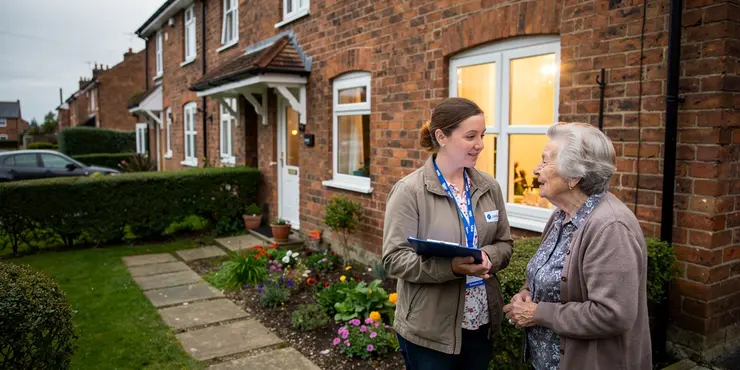
Charity scammers employ various methods to deceive the elderly. Telemarketing scams are common, where the scammer will call and pretend to represent a legitimate charity, urgently requesting donations. Mail scams involve sending fake charity letters with emotional appeals, often including payment details for ease of 'donation.' Email and online phishing scams target older adults who might be less aware of internet fraud, using fake websites and email addresses to solicit funds. Additionally, door-to-door scams can occur, where fraudsters pose as charity workers collecting cash donations directly from people's homes.
Consequences for Elderly Victims
The financial implications for elderly victims of charity scams can be severe, as many live on fixed incomes. Beyond financial losses, these scams can have emotional and psychological effects, leading to anxiety, a loss of trust, and a diminished sense of security. Victims may also feel ashamed or embarrassed, making them hesitant to report such incidents, further perpetuating the cycle of fraud.
Preventive Measures and Awareness
Raising awareness and educating the elderly about the risks of charity scams is crucial. Encouraging older adults to verify the legitimacy of charities before donating is a vital precaution. They should be advised to research charities through official channels, such as the Charity Commission for England and Wales, which provides comprehensive details of registered charities. Seniors should also be reminded never to share personal or financial information over the phone, via email, or at the door to unknown individuals.
Conclusion
While charity scams are a pervasive issue, particularly for the elderly, preventative measures and increased awareness can significantly mitigate these risks. Support networks, including family and community organizations, play a crucial role in educating and protecting the elderly from falling victim to such fraudulent schemes. By fostering a better understanding of these scams, society can help safeguard the charitable intentions of older individuals and ensure their contributions reach genuine causes.
Understanding Charity Scams
Charity scams are tricks where bad people pretend to be real charities to steal money from others. These bad people take advantage of kind people who want to help. Elderly people, like grandparents, are often targets. In the UK, this is a problem because there are more and more scams cheating older people who want to donate.
Why the Elderly Are Targeted
Older people are targeted by scams for a few reasons. They often like to help others and donate to good causes. Some older people might not know much about internet safety or tricks used by scammers. Also, if they feel lonely, scammers might pretend to be friendly and try to get their money.
Common Methods Used by Scammers
Scammers use different tricks to fool older people. They might call them, asking for money for a fake charity. They may send letters saying they need donations, and even come to their door pretending to collect money for a good cause. Scammers also send fake emails and trick people with fake websites.
Consequences for Elderly Victims
Being scammed can cause big money problems for older people, especially if they don’t have much money. It can also make them feel upset, scared, and ashamed. They might not want to tell anyone, so the problem keeps happening.
Preventive Measures and Awareness
It’s important to teach older people about these scams. They should check if a charity is real before giving money. They can do this by looking up the charity on the Charity Commission for England and Wales. They should never share personal or bank details with strangers on the phone, by email, or at the door.
Conclusion
Charity scams are a big problem, especially for older people. But by knowing the risks and what to look out for, people can avoid these tricks. Families and community groups can help keep older people safe by teaching them about scams. This way, older people can give to real charities and know their help reaches the right place.
Frequently Asked Questions
Charity scams are frauds that deceive people by pretending to be legitimate charitable organizations to steal money or personal information.
Elderly individuals are often targeted because they may be more trusting, have financial assets, and may not be as tech-savvy, making them more vulnerable to scams.
Scammers might create fake websites, use similar names as real charities, make phone calls, or send emails claiming to represent legitimate charitable organizations.
Red flags include high-pressure tactics for donations, vague or unclear mission statements, requests for payment in cash or wire transfer, and unwillingness to provide proof of their legitimacy.
They can verify legitimacy by checking the charity's registration status with the government’s charity regulator, researching its ratings on charity watchdog websites, and contacting the charity directly using official contact information.
Phone scams are common, where scammers pose as charity representatives, often using high-pressure tactics to solicit immediate donations over the phone.
Yes, fake charity websites exist. Warning signs include web URLs that don’t match the charity’s name, websites full of spelling errors, and lack of transparency about the charity’s activities.
They should avoid providing any information, hang up or delete any communications, report the scam to local authorities, and inform their banks if financial information was shared.
Scammers send phishing emails and create fake social media profiles or posts to appear as legitimate charities, persuading individuals to donate or provide personal information.
It’s risky because unsolicited contacts can often be scams; without prior contact or verification, individuals cannot ensure the authenticity of the charity.
Scammers may attempt to collect addresses, social security numbers, bank details, or credit card information to commit identity theft or fraud.
Yes, some scammers go door-to-door pretending to collect for charities, using fake identification or uniforms to convince individuals of their legitimacy.
Elderly victims may experience anxiety, shame, or loss of trust in legitimate charities, affecting their mental well-being and social engagement.
Organizations like AARP, the FTC, local consumer protection agencies, and online watchdogs like Charity Navigator provide resources and tips to avoid scams.
Families can educate them about scams, assist with verifying charities, set up direct giving plans, and monitor unusual financial transactions.
Victims or authorities can report charity scams to law enforcement, the Federal Trade Commission (FTC), or state consumer protection offices for investigation and legal action.
Scammers exploit heightened emotions and urgency during disasters, creating fake charities to attract donations from well-meaning individuals wanting to help.
Victims should contact their bank or credit card company immediately, report the fraud, and explore options for reversing charges or recovering funds.
Increased digital literacy helps individuals recognize online scams, safely navigate the internet, and verify legitimate charities, reducing vulnerability to fraud.
They can report it to local law enforcement, the FTC, or a state consumer protection agency, providing as much detail about the scam as possible.
Charity scams are tricks. These tricks pretend to be real charities. They want to steal your money or personal details.
Older people are sometimes tricked because they trust others more. They might have money and may not know a lot about computers or the internet. This makes it easier for bad people to scam them.
Bad people might make fake websites. They use names that sound like real charities. They might call you on the phone or send you emails saying they work for real charities.
Watch out for these warning signs:
- They push you to give money quickly.
- They don't clearly say what they do.
- They ask for cash or money transfer.
- They won't show proof they are real.
Helpful tip: Always ask questions and check their website. Use tools like charity checkers online to make sure they are real.
You can check if a charity is real by doing a few things:
- Look up if the charity is listed with the government's charity regulator.
- See what charity watchdog websites say about it.
- Get in touch with the charity using their official contact details.
If you find reading hard, ask someone you trust to help. You can also find videos or use screen readers that read the text out loud to you.
Phone scams happen a lot. Scammers pretend to work for a charity. They try to make you give them money quickly by using high-pressure tricks over the phone.
Yes, there are fake charity websites. Watch out for bad signs like web addresses that do not match the charity's name. Websites with lots of spelling mistakes can be bad too. If they do not say clearly what the charity does, be careful.
Do not give any personal information. Hang up the phone or delete the message. Tell the police if someone is trying to trick you. Tell your bank if you gave any money information.
Bad people called scammers send fake emails and make fake social media pages. They pretend to be real charities. They try to trick people into giving them money or important information.
Here are some ways to stay safe:
- Check if an email or page looks real before you click on anything.
- Ask someone you trust if you are not sure.
- You can use tools like antivirus software to protect your computer.
It can be dangerous because people you don't know might be trying to trick you. If someone asks you for money and you did not contact them first, be careful. You can't be sure if the charity is real.
Bad people might try to get your address, social security number, bank details, or credit card information. They do this to pretend to be you and steal your money.
Yes, some bad people go from door to door. They pretend to collect money for good causes. They use fake badges or uniforms to trick people into believing them.
Older people who have been tricked might feel worried, embarrassed, or stop trusting real charities. This can make them feel upset and not want to be around others.
Groups like AARP, the FTC, local help agencies, and websites like Charity Navigator give tips and help to avoid scams.
Families can help by talking about scams. They can check if charities are real. They can set up plans to give money directly. They can watch for unusual money movements.
You can tell the police or special offices if someone tricks you with a fake charity. You can also tell the Federal Trade Commission (FTC). They will check and take action.
Bad people try to trick others during big emergencies. They pretend to have charities to get money from kind people who want to help.
If someone finds out they have been tricked with their money, they should tell their bank or credit card company right away. They should say what happened and ask if they can get their money back.
Learning how to use computers and the internet can help people spot tricks and scams online, stay safe on the internet, and check if a charity is real. This means people are less likely to be tricked.
If someone is a victim of a scam, they can tell the police, the FTC, or a state group that helps people. They should give as many details about the scam as they can.

Ergsy Search Results
This website offers general information and is not a substitute for professional advice.
Always seek guidance from qualified professionals.
If you have any medical concerns or need urgent help, contact a healthcare professional or emergency services immediately.
Some of this content was generated with AI assistance. We've done our best to keep it accurate, helpful, and human-friendly.
- Ergsy carefully checks the information in the videos we provide here.
- Videos shown by Youtube after a video has completed, have NOT been reviewed by ERGSY.
- To view, click the arrow in centre of video.
- Most of the videos you find here will have subtitles and/or closed captions available.
- You may need to turn these on, and choose your preferred language.
- Go to the video you'd like to watch.
- If closed captions (CC) are available, settings will be visible on the bottom right of the video player.
- To turn on Captions, click settings.
- To turn off Captions, click settings again.