
Speak To An Expert
Get clear, personalised advice for your situation.
Jot down a few questions to make the most of your conversation.
Understanding the Importance of Assessing Driving Ability
As individuals age, their driving abilities can decline due to various factors such as deteriorating vision, slower reaction times, and medical conditions. It is crucial for family members to be proactive in assessing an elderly relative's driving ability to ensure their safety and that of others on the road. In the UK, where driving is often essential for maintaining independence, assessing an elderly person's driving capabilities can prevent accidents and enhance road safety.
Observing Driving Behaviour
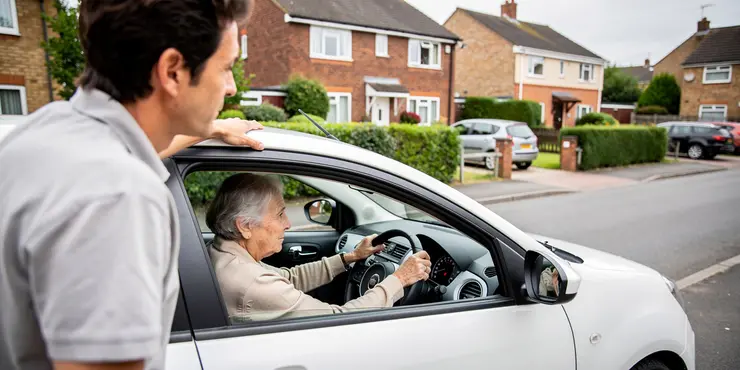
Family members should regularly observe the elderly person's driving behaviour. Look for signs of erratic driving, such as sudden lane changes, difficulty maintaining speed, or frequent close calls. It is beneficial to accompany the elderly person on various types of journeys—short local trips and longer motorway drives—to assess how they manage different driving conditions. These observations will provide valuable insights into their driving competence.
Evaluating Physical and Cognitive Abilities
Physical and cognitive health can greatly affect driving ability. Family members can help by monitoring changes in the elderly person’s vision, hearing, and reflexes. Additionally, assessing cognitive functions such as memory, attention span, and problem-solving skills is important, as these can impact driving decisions. Encourage regular health check-ups and eye examinations, and consult professionals if there are concerns about mental or physical capabilities.
Encouraging Open Communication
When discussing driving abilities with an elderly family member, it is important to approach the subject with sensitivity and respect. Encourage open communication by expressing concern for their well-being rather than criticizing their abilities. Use specific examples of observed driving behaviour to illustrate concerns. Providing support and understanding can facilitate a more receptive discussion about their driving future.
Exploring Professional Assessments
In the UK, professional driving assessments are available through organisations such as the Royal Society for the Prevention of Accidents (RoSPA) and the Driving Mobility Centres. These assessments provide a comprehensive evaluation of an individual’s driving skills and can offer an unbiased perspective. Family members should consider arranging such an assessment if they have serious concerns or if the elderly person remains confident in their driving abilities despite family concerns.
Considering Alternatives
If it becomes evident that continuing to drive is unsafe, family members can help by exploring alternative transportation options. This may include public transport systems, community transport services, or arranging travel with friends and family. Promoting these alternatives can help diminish feelings of lost independence and encourage a smoother transition away from driving.
Conclusion
Family members play a vital role in assessing and ensuring the safety of an elderly person’s driving. By observing driving behaviour, evaluating physical and cognitive abilities, promoting open discussions, seeking professional assessments, and exploring transportation alternatives, families can help elderly relatives make informed decisions about their driving future. This proactive approach ensures safety and supports the well-being of the elderly person and other road users.
Why Checking If Someone Can Still Drive Is Important
As people get older, driving can get harder. This can happen because their eyesight gets worse, they react slower, or they have health problems. Families should help check if an older person can still drive safely. This makes sure they and others on the road stay safe. In the UK, driving helps people feel independent. Checking if an older person can still drive well can help stop accidents and keep roads safe.
Watching How They Drive
Family members should pay attention to the older person's driving. Look for things like sudden lane changes, trouble with keeping the right speed, or nearly having accidents. It's good to ride along with them on different trips—short ones in town or longer ones on highways. This will help you see how they handle different driving situations. These trips give you insights into their driving skills.
Checking Health and Thinking Skills
How someone drives is affected by their health and thinking skills. Families should watch for changes in the older person’s sight, hearing, and how fast they move. It’s also important to check their thinking skills like memory and focus, as these help them make good driving choices. Encourage them to have health check-ups and eye tests regularly. If you worry about their abilities, talk to a doctor.
Talking Openly
When you talk to an older family member about their driving, be kind and respectful. Show that you care about keeping them safe rather than pointing out what they do wrong. Use specific examples of things you have seen when they drive. Being supportive can make it easier to talk about their driving future.
Getting Professional Help
In the UK, there are organisations like the Royal Society for the Prevention of Accidents (RoSPA) and Driving Mobility Centres that can check how well someone drives. These checks give a clear picture of their driving skills. Families should think about getting these checks if they are really worried or if the older person still thinks they can drive safely.
Finding Other Ways to Travel
If driving is no longer safe, families can look for other ways for the older person to get around. This can include public transport, community transport, or traveling with friends and family. Showing these options can help the older person feel like they haven't lost their freedom and can make it easier for them to stop driving.
Conclusion
Families have an important job in making sure older people can drive safely. By watching their driving, checking their health, having open talks, getting professional help, and finding other travel options, families can help their older relatives make good choices about driving. This helps keep everyone safe and looks after the well-being of older drivers and others on the road.
Frequently Asked Questions
Signs include frequent close calls or minor accidents, difficulty staying in lanes, driving at inappropriate speeds, increased traffic violations, confusion at intersections, and getting lost on familiar routes.
Approach the conversation with empathy and respect. Begin by expressing your love and concern for their safety and the safety of others. Use specific examples to illustrate your concerns.
Vision problems can severely impact driving abilities. Ensure regular eye exams and encourage the use of corrective lenses. Look out for issues like difficulty recognizing signs or trouble seeing at night.
Observe their response to sudden changes in traffic conditions, such as sudden stops or the unexpected behavior of other drivers, and whether they struggle with multitasking while driving.
Yes, there are occupational therapists trained as driving rehabilitation specialists who can provide comprehensive assessments of an elder's driving abilities.
Consider cognitive functions such as memory, attention, decision-making, and judgment, as these are critical for safe driving. Watch for forgetfulness or confusion when driving.
Regular assessments can be beneficial, especially if there are noticeable changes in physical or cognitive health, or following any incidents on the road.
Medications can cause side effects such as drowsiness, dizziness, or blurred vision, which can impair driving. Review medications with a healthcare provider.
Ride along with them during various driving situations, such as at night, during rush hour, or in bad weather, to see how well they manage.
An open dialogue helps everyone feel heard and respected while ensuring safety concerns are addressed. It’s an ongoing conversation that can adapt to changing abilities.
Consider limiting driving to less busy times, suggesting familiar routes, encouraging the use of vehicle safety features, and promoting defensive driving courses.
Consult with their healthcare provider, seek the help of a driving rehabilitation specialist, and ultimately, if necessary, consider involving state licensing authorities.
Introduce alternative transportation options, like public transit, ridesharing services, or community shuttles, and reassure them of support in maintaining their independence.
Environmental factors include road conditions, traffic patterns, and weather. Elderly drivers may benefit from avoiding peak traffic times or driving in adverse weather conditions.
Yes, physical limitations such as reduced strength, coordination, or flexibility can impact the ability to control a vehicle safely. Regular physical check-ups are recommended.
Regular check-ups can identify issues affecting driving ability, such as changes in vision, hearing, cognitive function, or medication effects, allowing timely interventions.
Encourage your family member to discuss their driving with their doctor during regular visits, focusing on how any health changes might affect their ability to drive.
Driving with diminished capacity can lead to accidents, legal liabilities, and increased insurance premiums. In some cases, it might lead to legal action if an accident occurs.
Modern vehicles often include assistive technologies such as automatic braking, lane-keeping assistance, and blind-spot monitoring that can help improve safety for elderly drivers.
Many communities offer senior transportation services, volunteer driver programs, and ride-share discounts for seniors to support those who no longer drive.
Here are some signs to watch for:
- Almost having accidents or small crashes often.
- Having trouble staying in the correct lane.
- Driving too fast or too slow.
- Getting more tickets from the police.
- Feeling confused at intersections.
- Getting lost on roads you know well.
Tools that can help:
- A GPS or maps app on your phone can help you find your way.
- Ask a friend or family member to be with you in the car.
- Take breaks if driving feels hard.
Talk with kindness and care. Start by telling them you care about them and want everyone to be safe. Give clear examples to show why you are worried.
Having problems with your eyes can make driving hard. It's important to get your eyes checked often. You should use glasses or contact lenses if you need them. Pay attention if you have trouble seeing road signs or if it's hard to see at night while driving.
Watch how they react when there are sudden changes on the road. This can be sudden stops or when other drivers do something unexpected. See if they find it hard to do more than one thing at the same time while driving.
Yes, there are special helpers called occupational therapists. Some of them know a lot about driving and can help older people check how well they can drive.
Think about how our brains work when we drive. We need to remember where we are going, pay attention to the road, and make smart choices while driving. If you notice someone forgetting things or getting confused when they drive, this can be a problem.
Regular check-ups can be helpful. This is true if there are big changes in how someone feels or thinks, or if something happens while driving.
Medicines can sometimes make you sleepy, dizzy, or see things in a fuzzy way. This can make it unsafe to drive. Talk to your doctor or nurse to check if your medicines are okay for driving.
Go with them when they are driving. Try driving at night, during busy times, or in bad weather. See how well they drive in these different situations.
Talking openly helps everyone feel listened to and respected. It also helps keep everyone safe. This is a conversation that keeps going and can change as things change.
Try to drive when the roads are not busy. Use roads that you know well. Use the safety features in your car, like seat belts and airbags. You can also take a special class to learn to drive more safely.
Talk to their doctor, ask a driving helper for advice, and if needed, contact the people who give driving licenses.
Talk about different ways to get around, like taking the bus, using apps to share a ride, or community van rides. Let them know they will still be able to go places on their own.
Things outside can make driving hard. This includes bumpy roads, lots of cars, and bad weather. Older drivers might find it easier if they avoid driving when lots of people are on the road or when the weather is bad.
Yes, problems with strength, movement, or bending can make it hard to drive safely. It's a good idea to see a doctor often to check your health.
Going to the doctor regularly can help find problems that might make it hard to drive. These can be things like changes in how well you see or hear, how well you think, or how medicines affect you. Finding these problems early means you can get help quickly.
Here are some things you can do to make reading easier:
- Use a ruler or your finger to follow along with the words.
- Read out loud to hear the words more clearly.
- Ask someone to explain words you don't know.
Ask your family member to talk to their doctor about driving when they have check-ups. They should talk about how their health changes might make driving harder for them.
If you drive when you are not able to do it well, you might crash. This could mean trouble with the law, and your insurance might cost more money. If a crash happens, you could also have to go to court.
New cars have special tools to help keep older drivers safe.
These tools can make the car stop by itself, help the car stay in its lane, and let drivers know if a car is in their blind spot.
Many places have ways to help older people who can't drive anymore. They have special rides for seniors, friendly volunteers who give rides, and cheaper ride-sharing options.

Ergsy Search Results
This website offers general information and is not a substitute for professional advice.
Always seek guidance from qualified professionals.
If you have any medical concerns or need urgent help, contact a healthcare professional or emergency services immediately.
Some of this content was generated with AI assistance. We've done our best to keep it accurate, helpful, and human-friendly.
- Ergsy carefully checks the information in the videos we provide here.
- Videos shown by Youtube after a video has completed, have NOT been reviewed by ERGSY.
- To view, click the arrow in centre of video.
- Most of the videos you find here will have subtitles and/or closed captions available.
- You may need to turn these on, and choose your preferred language.
- Go to the video you'd like to watch.
- If closed captions (CC) are available, settings will be visible on the bottom right of the video player.
- To turn on Captions, click settings.
- To turn off Captions, click settings again.