
Speak To An Expert
Get clear, personalised advice for your situation.
Jot down a few questions to make the most of your conversation.
Understanding Colorectal Cancer Risk Factors
Colorectal cancer, which affects the colon and rectum, is influenced by multiple risk factors. In the UK, understanding these risk factors is crucial for prevention and early detection. While some factors are beyond your control, others can be managed through lifestyle changes.
Age and Genetic Factors
One of the most significant risk factors for colorectal cancer is age. Individuals over the age of 50 are more likely to develop the disease. Genetics also play a crucial role. If you have a family history of colorectal cancer, especially in immediate relatives, your risk is increased. Specific inherited conditions, such as familial adenomatous polyposis (FAP) and Lynch syndrome, also significantly elevate the risk of developing colorectal cancer.
Lifestyle-Related Risk Factors
Lifestyle choices can impact colorectal cancer risk. A diet high in red and processed meats has been linked to an increase in colorectal cancer risk, whereas diets rich in fruits, vegetables, and fibres may lower risk. Physical inactivity and obesity further contribute to higher risk levels. Regular physical activity can help maintain a healthy weight and lower your risk. Additionally, smoking and excessive alcohol consumption are associated with increased colorectal cancer risk. Quitting smoking and moderating alcohol intake can be effective preventative measures.
Medical History and Conditions
Several medical conditions can increase your risk of colorectal cancer. These include chronic inflammatory bowel diseases like Crohn's disease and ulcerative colitis, which can lead to long-term inflammation of the colon. Those with type 2 diabetes are also at a higher risk. Previous diagnoses of colorectal polyps or cancer can increase the likelihood of future occurrences, making regular screenings crucial for early detection and prevention.
Screening and Prevention
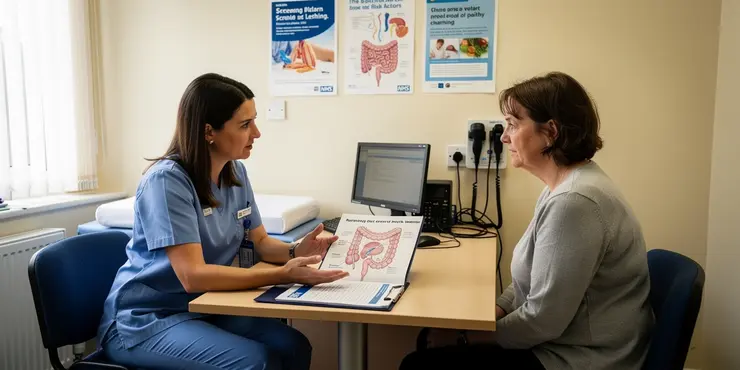
In the UK, regular screenings are recommended for those at higher risk of colorectal cancer. The NHS Bowel Cancer Screening Programme offers regular screenings to detect cancer early, which can significantly improve treatment outcomes. For individuals at high risk due to genetic factors or medical history, consultations with healthcare professionals for personalized screening plans are advisable.
Conclusion
Awareness of risk factors related to colorectal cancer is essential for effective prevention and early detection. While some factors like age and genetics cannot be changed, lifestyle modifications such as a healthy diet, regular exercise, and reducing alcohol and tobacco use can assist in lowering your risk. Regular screening and medical check-ups play a vital role in catching potential issues early and improving health outcomes.
Understanding Colorectal Cancer Risk Factors
Colorectal cancer affects the colon and rectum. It is important to know what can make you more likely to get it. In the UK, knowing these things helps in stopping it early. Some things you can't change, but others you can control with healthy choices.
Age and Genetic Factors
Getting older can make you more likely to get colorectal cancer. People over 50 have a higher chance. Your family's health also matters. If close family members had this cancer, your chances go up. Some people inherit conditions like FAP and Lynch syndrome, which can also make it more likely to get this cancer.
Lifestyle-Related Risk Factors
The way you live can affect your chances of getting colorectal cancer. Eating a lot of red and processed meats can increase the risk. Eating fruits, veggies, and fibre might help reduce it. Not being active and being overweight can also raise risk. Moving more can help keep a healthy weight and lower your risk. Smoking and drinking too much alcohol make the risk higher. Stopping smoking and drinking less alcohol can help keep you safer.
Medical History and Conditions
Some medical problems can increase your risk of colorectal cancer. If you have diseases like Crohn's disease or ulcerative colitis that cause inflammation in the colon, the risk goes up. People with type 2 diabetes also have a higher risk. If you've had colorectal polyps or cancer before, it can happen again, so regular doctor visits are important to spot it early and stop it.
Screening and Prevention
In the UK, people who are more likely to get colorectal cancer should have regular check-ups. The NHS offers these to find cancer early and help you get better treatment. If your family history or health makes your risk high, talk to a doctor about how often you should be checked.
Conclusion
Knowing what makes colorectal cancer more likely helps you avoid it and find it early. While you can't change things like age and genes, you can eat healthy, exercise, and cut down on alcohol and smoking to reduce your risk. Regular doctor check-ups are key in catching issues early and staying healthy.
Frequently Asked Questions
Colorectal cancer risk increases with age, with the majority of cases occurring in people over 50.
Having a family history of colorectal cancer, especially in a first-degree relative, increases your risk.
Yes, having a history of adenomatous polyps in the colon or rectum increases the risk of developing colorectal cancer.
A diet high in red and processed meats and low in fiber can increase colorectal cancer risk.
Being overweight or obese is linked to a higher risk of colorectal cancer.
Yes, long-term smoking is associated with an increased risk of colorectal cancer.
Heavy alcohol consumption increases the risk of colorectal cancer.
A sedentary lifestyle without regular physical activity increases the risk of colorectal cancer.
Yes, certain genetic conditions like Lynch syndrome and familial adenomatous polyposis greatly increase risk.
Yes, conditions like ulcerative colitis and Crohn's disease increase the risk of colorectal cancer.
Having type 2 diabetes increases the risk of colorectal cancer.
African Americans have the highest colorectal cancer incidence and mortality rates of all racial groups in the US.
Yes, previous radiation treatments directed at the abdomen can increase colorectal cancer risk.
Yes, a history of ovarian, uterine, or breast cancer can increase colorectal cancer risk.
Some studies suggest that HRT might lower the risk of colorectal cancer, but it also has other health risks.
Factors such as late onset of menopause and being nulliparous have been studied with varying results on colorectal cancer risk.
Yes, consumption of processed foods, particularly processed meats, is linked to an increased risk of colorectal cancer.
Chronic inflammation in the intestine, such as that caused by inflammatory bowel disease, increases the risk of colorectal cancer.
Yes, regular physical activity is protective against colorectal cancer, while sedentary behavior increases risk.
Emerging research suggests that the composition of gut microbiota may influence colorectal cancer risk.
As people get older, they have a higher chance of getting colon cancer. Most people who get it are over 50 years old.
If someone in your close family, like a parent or brother or sister, has had bowel cancer, it means you might have a higher chance of getting it too.
Having adenomatous polyps in the colon or rectum can make it more likely to get colorectal cancer.
Eating a lot of red and processed meats and not enough fiber can make it more likely to get bowel cancer.
Being very heavy or overweight can make it more likely to get a type of cancer in the bowel called colorectal cancer.
Yes, smoking for many years can make it more likely to get bowel cancer.
Drinking a lot of alcohol can make it more likely for you to get a type of cancer in your tummy called colorectal cancer.
Sitting a lot and not doing much exercise can make it more likely for you to get bowel cancer.
Yes, some people have special genes that can make them more likely to get sick. These are called Lynch syndrome and familial adenomatous polyposis.
Yes, some illnesses like ulcerative colitis and Crohn's disease make it more likely for a person to get bowel cancer.
Having type 2 diabetes makes it more likely to get bowel cancer.
In the US, African Americans get colorectal cancer more than any other group. They also die from it the most.
Yes, having radiation treatments aimed at your belly can make it more likely to get bowel cancer.
Yes, having had ovarian, womb, or breast cancer before can make it more likely to get bowel cancer.
Some research says HRT could help lower the chance of getting bowel cancer. But HRT can also have other health risks.
If you want help understanding this, you can ask someone you trust. You might also try using audio books or videos to learn more.
Some things can change how likely you are to get colon cancer. Two of these things are starting menopause late or never having children. Scientists have looked at how these affect the chance of getting colon cancer, but they find different answers.
Yes, eating a lot of processed foods, especially processed meats, can make it more likely to get bowel cancer.
When your gut is swollen for a long time, like with a sickness called inflammatory bowel disease, it can make it more likely for you to get cancer in your gut.
Yes, moving your body helps keep you safe from bowel cancer. Sitting too much can make it more likely to get it.
New studies show that the tiny bugs in our tummy might affect the chance of getting bowel cancer.

Ergsy Search Results
This website offers general information and is not a substitute for professional advice.
Always seek guidance from qualified professionals.
If you have any medical concerns or need urgent help, contact a healthcare professional or emergency services immediately.
Some of this content was generated with AI assistance. We've done our best to keep it accurate, helpful, and human-friendly.
- Ergsy carefully checks the information in the videos we provide here.
- Videos shown by Youtube after a video has completed, have NOT been reviewed by ERGSY.
- To view, click the arrow in centre of video.
- Most of the videos you find here will have subtitles and/or closed captions available.
- You may need to turn these on, and choose your preferred language.
- Go to the video you'd like to watch.
- If closed captions (CC) are available, settings will be visible on the bottom right of the video player.
- To turn on Captions, click settings.
- To turn off Captions, click settings again.