
Speak To An Expert
Get clear, personalised advice for your situation.
Jot down a few questions to make the most of your conversation.
More Items From Ergsy search
-
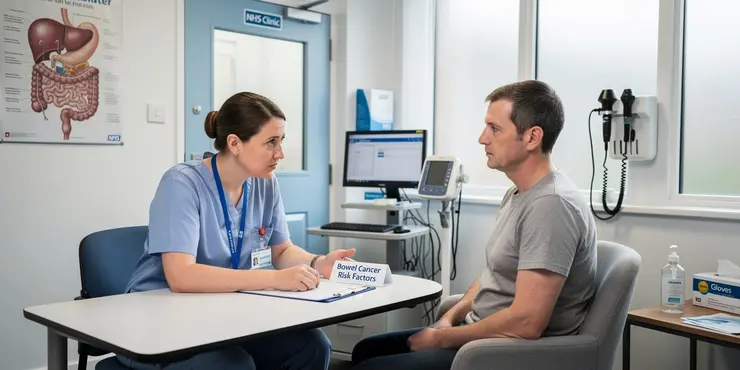
What are the risk factors for bowel cancer?
Relevance: 100%
-
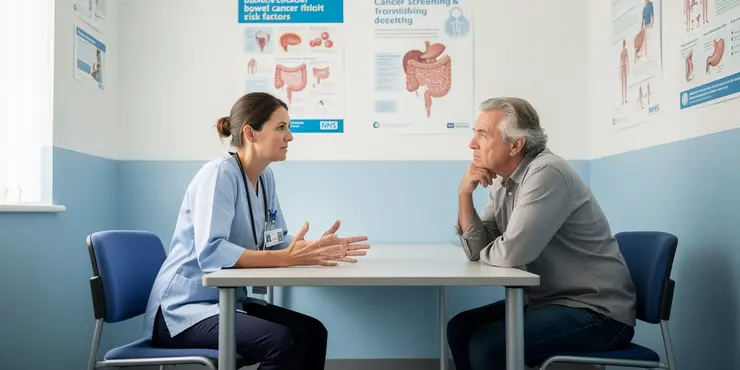
What factors are contributing to the increase in bowel cancer cases?
Relevance: 94%
-
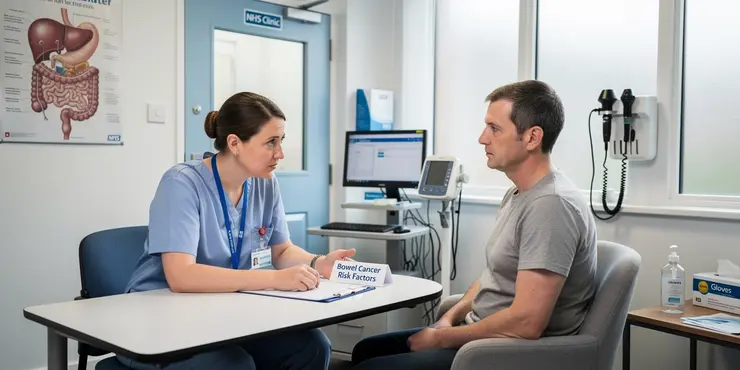
Why is there a surge in bowel cancer?
Relevance: 88%
-

How common is bowel cancer?
Relevance: 86%
-
How does obesity affect bowel cancer rates?
Relevance: 84%
-
What is Bowel Cancer?
Relevance: 82%
-
Is diet linked to the rise in bowel cancer?
Relevance: 82%
-
Are younger people being diagnosed with bowel cancer more frequently?
Relevance: 82%
-
What role does alcohol consumption play in bowel cancer risk?
Relevance: 80%
-
How does increased screening impact bowel cancer statistics?
Relevance: 80%

-
Can lifestyle changes help reduce bowel cancer risk?
Relevance: 80%
-

How does family history affect the risk of bowel cancer?
Relevance: 79%
-
Can bowel cancer be prevented?
Relevance: 79%
-
What role does diet play in the risk of developing bowel cancer?
Relevance: 79%
-

What lifestyle changes can help lower the risk of bowel cancer?
Relevance: 78%
-
What factors increase my risk of colorectal cancer?
Relevance: 78%
-

Taking a Genetic Family History - The Conversation (Bowel Cancer)
Relevance: 75%
-
What is the survival rate for bowel cancer?
Relevance: 75%
-
How is bowel cancer diagnosed?
Relevance: 74%
-

Bowel cancer - Symptoms and signs to look out for
Relevance: 74%
-
Can bowel cancer spread to other parts of the body?
Relevance: 74%
-
Learn about bowel cancer (British Sign Language version)
Relevance: 72%
-

What treatment options are available for bowel cancer?
Relevance: 72%
-

Can exercise help slow down the progression of bowel cancer?
Relevance: 71%
-
How does exercise impact bowel cancer progression?
Relevance: 71%
-

Are there specific benefits of exercise for bowel cancer survivors?
Relevance: 70%
-
Are there any risk factors that increase the need for cancer screening?
Relevance: 70%
-

What is the difference between colon cancer and rectal cancer?
Relevance: 70%
-
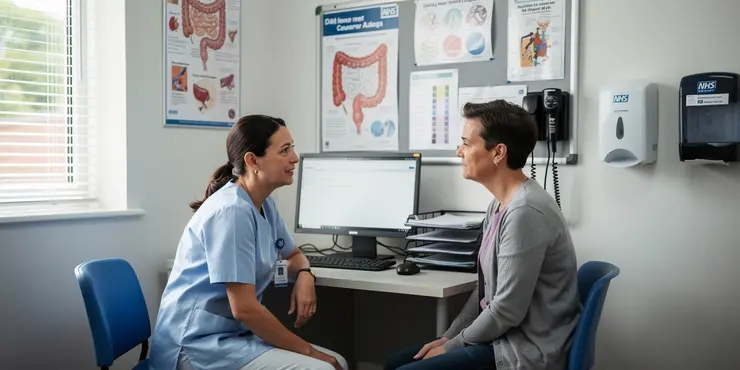
How is the stage of bowel cancer determined?
Relevance: 69%
-

Bowel cancer screening: Alan Titchmarsh and Tommy Walsh | NHS
Relevance: 67%
-
Can exercise help slow down the progression of bowel cancer?
Relevance: 66%
-

What support is available for individuals diagnosed with bowel cancer?
Relevance: 65%
-

What are the side effects of bowel cancer treatment?
Relevance: 65%
-
Who is at risk for testicular cancer?
Relevance: 65%
-
What types of exercise are beneficial for bowel cancer patients?
Relevance: 63%
-

How common is testicular cancer?
Relevance: 62%
-
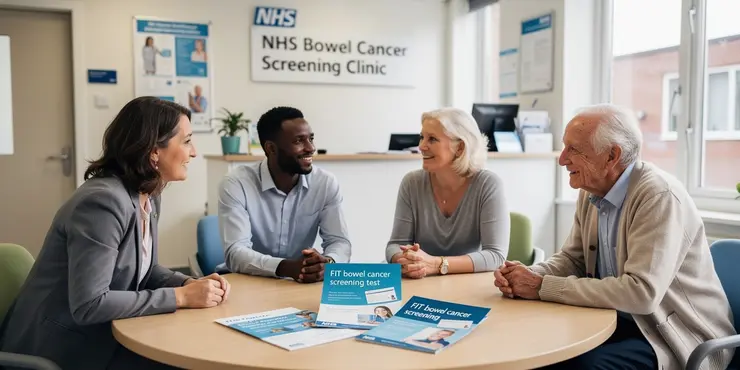
How to do the FIT bowel cancer screening test | Cancer Research UK
Relevance: 62%
-
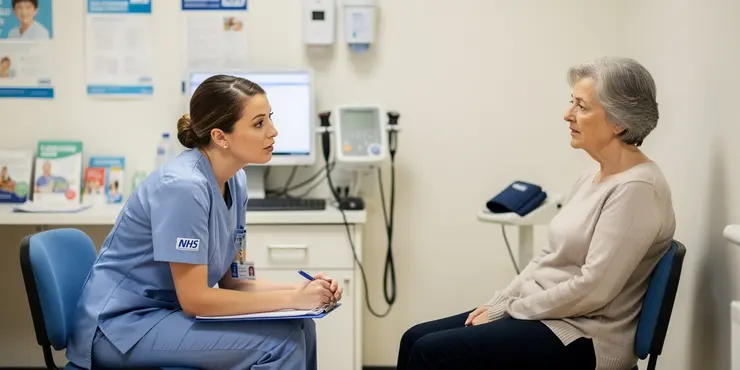
Bowel Cancer
Relevance: 61%
-

What is colorectal cancer?
Relevance: 61%
-

What are the recommendations for colorectal cancer screening?
Relevance: 56%
Introduction
Bowel cancer, also known as colorectal cancer, is becoming an increasingly common diagnosis in the UK. As healthcare professionals and scientists investigate the rising incidence, several contributing factors have been identified. Understanding these factors is crucial for developing effective prevention strategies and improving public health outcomes.
Age and Genetics
One of the primary risk factors for bowel cancer is age. The likelihood of developing the disease increases significantly for individuals over the age of 50. Additionally, genetics play a pivotal role. A family history of bowel cancer can markedly increase one's risk, suggesting the involvement of inherited genetic mutations. Conditions like familial adenomatous polyposis and Lynch syndrome also heighten one's susceptibility to bowel cancer, necessitating earlier and more frequent screening for those with a family history.
Dietary Habits
Dietary patterns significantly influence bowel cancer risk. A diet high in red and processed meats has been linked to an increased risk, partly due to the presence of carcinogens formed during cooking at high temperatures. Conversely, diets rich in fruits, vegetables, and whole grains seem to offer protective benefits. These foods are high in fiber, which is believed to aid in diluting and eliminating potential carcinogens from the digestive tract, thereby reducing cancer risk.
Lifestyle Factors
Several lifestyle choices contribute to the rising bowel cancer rates. Physical inactivity is a known risk factor; a sedentary lifestyle can lead to obesity, which is directly associated with increased cancer risk. Excessive alcohol consumption and smoking have also been identified as contributing factors. Both habits introduce harmful chemicals into the body, potentially leading to cancerous changes in the cells of the colon and rectum.
Environmental and Socioeconomic Factors
Environmental and socioeconomic elements also play a role. Individuals in lower socioeconomic groups may have limited access to healthcare services, including cancer screenings, resulting in delayed diagnosis and treatment. Additionally, environmental pollutants and toxins, such as those found in certain industrial chemicals and air pollution, have been linked to an increased cancer risk, although the exact mechanisms are still being studied.
Increased Awareness and Screening
While the actual incidence of bowel cancer may be rising, another factor contributing to the increase in reported cases is improved awareness and screening. With more widespread screening programs and better diagnostic tools, cases that would have gone undetected in the past are now being identified and reported. Early detection typically leads to better outcomes, but it also contributes to a higher apparent incidence rate in statistical data.
Conclusion
The increase in bowel cancer cases in the UK is multifactorial, with contributions from genetic, dietary, lifestyle, environmental, and socio-economic factors. Public health initiatives and individual changes can mitigate some of these risks. Continued research and enhanced screening programs are crucial for addressing this growing public health concern.
Introduction
Bowel cancer is a type of cancer that affects the intestines. It is becoming more common in the UK. Doctors and scientists are trying to find out why this is happening. Knowing the reasons can help us find ways to stop it and keep people healthy.
Age and Genetics
Getting older makes bowel cancer more likely. People over 50 have a higher risk. Family history is important too. If your family has had bowel cancer, your risk is higher. Some people have special genes that make them more likely to get bowel cancer. They need to see the doctor more often for check-ups.
Dietary Habits
What you eat matters. Eating a lot of red and processed meat can make bowel cancer more likely. Cooking these meats at high temperatures is also not good. Eating fruits, vegetables, and whole grains can help protect you. These foods have fiber, which is good for your intestines and helps keep cancer away.
Lifestyle Factors
The way you live can affect your risk of bowel cancer. Not moving around much or sitting a lot can lead to being overweight, which raises cancer risk. Drinking too much alcohol and smoking are also bad. They bring harmful chemicals into your body that can damage your cells.
Environmental and Socioeconomic Factors
Where you live and your income also matter. People with less money might not be able to see doctors as often, so they find cancer later. Some chemicals in the air and environment can also add to the risk. Scientists are still studying how these affect cancer.
Increased Awareness and Screening
We talk more about bowel cancer now than before. More people go for tests and check-ups, so we find more cases. Finding cancer early is good because treatment works better then. This means we notice more cases now, even though the real number might not be going up as much.
Conclusion
There are many reasons for more bowel cancer in the UK, like age, diet, lifestyle, and where you live. We can make changes to lower some risks, like eating healthy and exercising. More research and better tests are important to help with this health problem.
Frequently Asked Questions
What is bowel cancer?
Bowel cancer, also known as colorectal cancer, is a type of cancer that begins in the colon or rectum.
Are lifestyle factors contributing to the increase in bowel cancer cases?
Yes, lifestyle factors such as a sedentary lifestyle, poor diet, and obesity are contributing to the rise in bowel cancer cases.
How does diet affect bowel cancer risk?
A diet high in red and processed meats and low in fruits, vegetables, and fiber can increase the risk of developing bowel cancer.
Is obesity linked to bowel cancer?
Yes, obesity is a significant risk factor for bowel cancer due to its association with chronic inflammation and changes in hormone levels.
What role does smoking play in bowel cancer?
Smoking increases the risk of bowel cancer as it exposes the body to carcinogens that can damage the genetic material of cells in the colon and rectum.
Does alcohol consumption affect bowel cancer risk?
Excessive alcohol consumption is linked to an increased risk of bowel cancer by damaging the cells in the digestive tract and altering hormone regulation.
Is age a factor in the rise of bowel cancer cases?
Yes, age is a significant risk factor, with the majority of bowel cancer cases occurring in individuals over the age of 50.
How does family history impact bowel cancer risk?
A family history of bowel cancer can increase an individual's risk, suggesting a genetic component to the disease.
Are genetic mutations associated with bowel cancer?
Yes, several genetic mutations, such as those in the APC, KRAS, and TP53 genes, are associated with an increased risk of bowel cancer.
Is there an increase in bowel cancer rates among younger populations?
Recent studies have shown an alarming increase in bowel cancer rates among individuals under 50, although the reasons for this trend are not fully understood.
Does physical inactivity contribute to bowel cancer?
Yes, lack of physical activity is a risk factor for bowel cancer, as regular exercise helps maintain a healthy digestive system and reduce inflammation.
How does inflammation relate to bowel cancer risk?
Chronic inflammation in the digestive tract, as seen in conditions like inflammatory bowel disease, can increase the risk of developing bowel cancer.
What environmental factors might influence bowel cancer rates?
Environmental factors such as exposure to certain chemicals and pollutants may contribute to bowel cancer risk.
Can bowel cancer screening impact its prevalence?
Yes, regular screening can help detect bowel cancer early and reduce its prevalence by identifying and removing pre-cancerous polyps.
Are changes in diagnostic practices contributing to the apparent increase in bowel cancer cases?
Improved diagnostic techniques and increased awareness have led to more cases being diagnosed, contributing to the perceived increase.
How does gut microbiota influence bowel cancer risk?
The gut microbiota plays a role in digestive health, and imbalances or harmful bacteria can increase inflammation and cancer risk.
Are socio-economic factors linked to the incidence of bowel cancer?
Yes, socio-economic status can affect dietary choices, access to healthcare, and lifestyle, all of which influence bowel cancer risk.
What impact does red meat consumption have on bowel cancer?
High consumption of red meat, especially when cooked at high temperatures, is associated with an increased risk of bowel cancer.
Can stress contribute to bowel cancer?
Chronic stress may contribute to cancer risk indirectly by leading to unhealthy lifestyle choices and impacting the immune system.
How can preventative measures reduce the risk of bowel cancer?
Preventative measures such as maintaining a healthy weight, eating a balanced diet, exercising regularly, and avoiding smoking and excessive alcohol can reduce bowel cancer risk.
What is bowel cancer?
Bowel cancer is when bad cells grow in your bowel. The bowel is part of your tummy where food goes after you eat.
If you think you might have bowel cancer, you should see a doctor. They can help make you better.
There are tools to help you understand better. You can use pictures, easy words, or ask someone you trust to explain it to you.
Bowel cancer is a type of cancer. It can start in the colon or rectum. The colon and rectum are parts of your body's system that help process food.
If you find it hard to read about cancer, you can ask someone you trust to read it with you. Pictures and videos can also help you understand better.
Do the ways we live make bowel cancer more common?
Yes, the way we live can make us sick. Not moving around much, eating unhealthy food, and being very overweight can cause more people to get bowel cancer.
How does food affect bowel cancer risk?
Eating healthy foods is important.
Some foods can make it harder for your body to stay healthy. These foods might increase the chance of getting bowel cancer.
Try to eat more fruits, vegetables, and whole grains. These help keep your bowels healthy.
Eating less red meat and processed foods, like bacon and sausages, is good for you too.
You can ask a doctor or a nurse for advice on eating healthy.
Using pictures or simple charts can help remember what foods are best.
Eating a lot of red and processed meats, but not many fruits, vegetables, and fiber, can make it more likely to get bowel cancer.
Does being very overweight make you more likely to get bowel cancer?
Yes, being very overweight can make it more likely to get bowel cancer. This is because it can cause the body to get swollen and change hormones in the body.
How does smoking affect bowel cancer?
Smoking can harm your body. It may also increase the risk of getting bowel cancer. Bowel cancer is a type of cancer that affects the large intestine.
Here are some simple ways to understand better:
- Talk to a doctor or nurse about how smoking affects health.
- Use pictures or videos to learn more about smoking and cancer.
- Find easy-to-read books or websites about health and smoking.
Remember, it’s okay to ask for help if you need it.
Smoking can make it more likely to get bowel cancer. This is because smoking puts harmful things into your body. These harmful things can hurt the cells in your tummy and bum.
Does drinking alcohol change the chance of getting bowel cancer?
Drinking alcohol might change your chance of getting bowel cancer. Here is how:
- Drinking a lot of alcohol can make it more likely to get bowel cancer.
- It is safer to drink less alcohol or none at all.
Helpful tips:
- Talk to a doctor or nurse if you are worried about drinking alcohol.
- Use pictures or videos to help learn more about alcohol and health.
- Ask for help from friends or family if you need it.
Drinking too much alcohol can hurt your tummy. It can make it more likely to get sick with bowel cancer. This happens because alcohol can harm the tummy cells and change how hormones work.
Does getting older make bowel cancer more common?
As people get older, they might have a higher chance of getting bowel cancer.
If you are trying to understand this better, you can use pictures or ask someone to explain it to you. Talking about it with a friend can also help.
Yes, getting older is a big reason for bowel cancer. Most people with bowel cancer are over 50 years old.
How does family history impact bowel cancer risk?
Does anyone in your family have bowel cancer? This can make you more likely to get it too. Talk to your doctor if your family has a history of this illness.
Some tools can help you understand better. You can draw a family tree to see who had bowel cancer. You can also ask for help from a nurse or a friend.
If your family has had bowel cancer, you might have a higher chance of getting it too. This means it could run in the family because of genes.
Do changes in genes cause bowel cancer?
Yes, changes in some genes can make it more likely to get bowel cancer. These genes are called APC, KRAS, and TP53.
Are more young people getting bowel cancer?
New studies say more people under 50 are getting bowel cancer. We don't know why this is happening.
Tips: Talk to your doctor if you feel unwell. Eat healthy food. Exercise and stay active. Check health websites for more help.
Can sitting too much cause bowel cancer?
Sitting a lot or not moving enough might increase the chance of getting bowel cancer. It is important to stay active. Try going for a walk or doing activities you enjoy.
Using reminders like alarms or notes can help you remember to take breaks and move more.
Not moving your body enough can lead to bowel cancer. When you exercise, it keeps your tummy healthy and stops it from getting too upset.
How does swelling affect the risk of getting bowel cancer?
When your tummy or gut is swollen for a long time, it can mean you have a problem called inflammatory bowel disease. This can make you more likely to get bowel cancer.
What things around us might affect how often people get bowel cancer?
Some things in the environment can make it more likely to get bowel cancer. This includes being around certain chemicals and bad things in the air.
Can checking for bowel cancer help reduce how common it is?
Yes, regular tests can help find bowel cancer early. This can help stop cancer from developing by finding and removing tiny growths called polyps before they turn into cancer.
Are new ways of checking causing more bowel cancer cases to be found?
Better ways to find out what's wrong and knowing more about it have helped doctors find more cases. This makes it look like there are more cases now than before.
How do tiny germs in your tummy affect the chance of getting bowel cancer?
The tiny germs in our tummy help us break down food. If we have too many bad germs, it can make our tummy sick and might lead to more serious problems like cancer.
To keep our tummy happy, we can eat lots of fruits and veggies, which help the good germs grow. Drinking water and being active are also helpful.
Do money and jobs affect how many people get bowel cancer?
Yes, having more or less money can change the food people eat, if they can see a doctor, and how they live. These things can change how likely someone is to get bowel cancer.
How does eating red meat affect bowel cancer?
Eating a lot of red meat, like beef or pork, can be bad for your body. It's even worse if the meat is cooked at very high heat, like in a barbecue or frying pan. This can make you more likely to get a type of cancer in your lower tummy, called bowel cancer.
Can Stress Cause Bowel Cancer?
Stress is when you feel worried or tense. Some people ask if stress can make bowel cancer happen.
Experts say stress does not directly cause bowel cancer. But stress can make it harder to stay healthy.
When you are stressed, you might eat unhealthy food or not exercise. This can be bad for your body.
If you are worried about stress, talk to someone you trust. They can help you feel better.
Try deep breathing or listening to music. This can help you relax.
When you feel stressed a lot, it can make you sick. It might make you choose to do things that are not healthy, like eating too much junk food or not getting enough sleep. Stress can also make it harder for your body to fight off sickness, like cancer.
To help, you can try relaxing exercises, talking to someone you trust, or using apps that help you calm down.
How can we stop bowel cancer before it starts?
Bowel cancer is a sickness in the tummy. We can do things to help stop it:
- Eat lots of fruits and vegetables.
- Exercise often, like playing or walking.
- Try to eat less red and processed meat.
- Don't smoke. Smoking is bad for your health.
- Go to the doctor for check-ups.
Ask a grown-up for help if you need it. They can show you nice videos or booklets about being healthy.
You can do things to help stop bowel cancer. Try to keep a healthy weight. Eat a mix of different good foods. Exercise often. Don't smoke and don't drink too much alcohol. These things can help keep you safe.

Useful Links
This website offers general information and is not a substitute for professional advice.
Always seek guidance from qualified professionals.
If you have any medical concerns or need urgent help, contact a healthcare professional or emergency services immediately.
Some of this content was generated with AI assistance. We've done our best to keep it accurate, helpful, and human-friendly.
- Ergsy carefully checks the information in the videos we provide here.
- Videos shown by Youtube after a video has completed, have NOT been reviewed by ERGSY.
- To view, click the arrow in centre of video.
- Most of the videos you find here will have subtitles and/or closed captions available.
- You may need to turn these on, and choose your preferred language.
- Go to the video you'd like to watch.
- If closed captions (CC) are available, settings will be visible on the bottom right of the video player.
- To turn on Captions, click settings.
- To turn off Captions, click settings again.
More Items From Ergsy search
-
What are the risk factors for bowel cancer?
Relevance: 100%
-
What factors are contributing to the increase in bowel cancer cases?
Relevance: 94%
-
Why is there a surge in bowel cancer?
Relevance: 88%
-
How common is bowel cancer?
Relevance: 86%
-
How does obesity affect bowel cancer rates?
Relevance: 84%
-
What is Bowel Cancer?
Relevance: 82%
-
Is diet linked to the rise in bowel cancer?
Relevance: 82%
-
Are younger people being diagnosed with bowel cancer more frequently?
Relevance: 82%
-
What role does alcohol consumption play in bowel cancer risk?
Relevance: 80%
-
How does increased screening impact bowel cancer statistics?
Relevance: 80%
-
Can lifestyle changes help reduce bowel cancer risk?
Relevance: 80%
-
How does family history affect the risk of bowel cancer?
Relevance: 79%
-
Can bowel cancer be prevented?
Relevance: 79%
-
What role does diet play in the risk of developing bowel cancer?
Relevance: 79%
-
What lifestyle changes can help lower the risk of bowel cancer?
Relevance: 78%
-
What factors increase my risk of colorectal cancer?
Relevance: 78%
-
Taking a Genetic Family History - The Conversation (Bowel Cancer)
Relevance: 75%
-
What is the survival rate for bowel cancer?
Relevance: 75%
-
How is bowel cancer diagnosed?
Relevance: 74%
-
Bowel cancer - Symptoms and signs to look out for
Relevance: 74%
-
Can bowel cancer spread to other parts of the body?
Relevance: 74%
-
Learn about bowel cancer (British Sign Language version)
Relevance: 72%
-
What treatment options are available for bowel cancer?
Relevance: 72%
-
Can exercise help slow down the progression of bowel cancer?
Relevance: 71%
-
How does exercise impact bowel cancer progression?
Relevance: 71%
-
Are there specific benefits of exercise for bowel cancer survivors?
Relevance: 70%
-
Are there any risk factors that increase the need for cancer screening?
Relevance: 70%
-
What is the difference between colon cancer and rectal cancer?
Relevance: 70%
-
How is the stage of bowel cancer determined?
Relevance: 69%
-
Bowel cancer screening: Alan Titchmarsh and Tommy Walsh | NHS
Relevance: 67%
-
Can exercise help slow down the progression of bowel cancer?
Relevance: 66%
-
What support is available for individuals diagnosed with bowel cancer?
Relevance: 65%
-
What are the side effects of bowel cancer treatment?
Relevance: 65%
-
Who is at risk for testicular cancer?
Relevance: 65%
-
What types of exercise are beneficial for bowel cancer patients?
Relevance: 63%
-
How common is testicular cancer?
Relevance: 62%
-
How to do the FIT bowel cancer screening test | Cancer Research UK
Relevance: 62%
-
Bowel Cancer
Relevance: 61%
-
What is colorectal cancer?
Relevance: 61%
-
What are the recommendations for colorectal cancer screening?
Relevance: 56%