
Get Answers
Introduction
Bowel cancer, also known as colorectal cancer, is one of the most common types of cancer in the UK. However, there is growing evidence to suggest that certain lifestyle changes can significantly reduce the risk of developing this disease. By adapting daily habits, individuals can take proactive steps towards better bowel health and potentially lower their cancer risk.
Dietary Habits
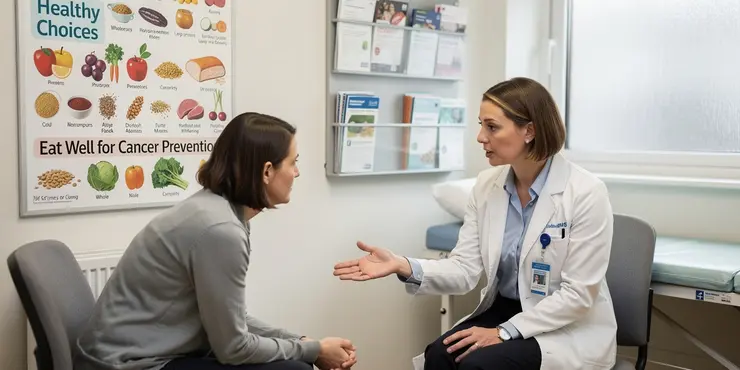
One of the most significant lifestyle factors affecting bowel cancer risk is diet. Consuming a diet high in red and processed meats has been linked to an increased risk of bowel cancer. To reduce this risk, it is advisable to limit these foods and instead focus on a diet rich in fruits, vegetables, and whole grains. These foods are high in fibre, which can aid in maintaining a healthy digestive system and promote regular bowel movements, both of which are protective against bowel cancer.
Physical Activity
Incorporating regular physical activity into one's routine is another effective way to lower the risk of bowel cancer. Exercise helps to maintain a healthy body weight, reduces inflammation in the body, and boosts the immune system. All these factors contribute to a lower risk of developing bowel cancer. The NHS recommends at least 150 minutes of moderate-intensity aerobic activity each week for adults as part of a healthy lifestyle.
Maintaining a Healthy Weight
Obesity is a known risk factor for bowel cancer. By managing their weight through a balanced diet and regular physical activity, individuals can significantly reduce their risk of this type of cancer. Losing even a small amount of weight can be beneficial and can help in lowering inflammation and improving overall health markers.
Limiting Alcohol and Avoiding Tobacco
Excessive alcohol consumption has been linked to an increased risk of bowel cancer. The UK guidelines advise not to exceed 14 units of alcohol per week, spreading these units across at least three days. Additionally, smoking is a significant risk factor for many cancers, including bowel cancer. Quitting smoking can reduce the risk and improve overall health.
Screening and Regular Check-Ups
Participating in regular bowel cancer screenings can help detect early signs of cancer before symptoms develop. In the UK, people between the ages of 50 and 74 are invited to take part in a bowel cancer screening program, which can be crucial in early detection and successful treatment. Regular check-ups with a healthcare provider can also help monitor and manage other risk factors associated with bowel cancer.
Conclusion
While not all cases of bowel cancer can be prevented, making informed lifestyle changes can significantly reduce an individual's risk. By focusing on a balanced diet, regular exercise, and avoiding known risk factors such as smoking and excessive alcohol consumption, individuals can contribute to better bowel health and a lower likelihood of developing cancer.
Introduction
Bowel cancer is also called colorectal cancer. It is common in the UK. Some changes in the way we live can help prevent this cancer. By changing daily habits, we can make our bowels healthier and reduce the risk of cancer.
Dietary Habits
What we eat is important for bowel cancer. Eating a lot of red and processed meat can increase cancer risk. To reduce risk, it’s best to eat less red and processed meat. Instead, eat more fruits, vegetables, and whole grains. These foods have fibre, which helps keep the bowels healthy and regular.
Physical Activity
Being active regularly can lower bowel cancer risk. Exercise helps keep a healthy weight, reduce swelling in the body, and make the immune system stronger. The NHS says adults should do 150 minutes of exercise each week. This is part of a healthy life.
Maintaining a Healthy Weight
Being very overweight can increase cancer risk. Eating a balanced diet and staying active helps manage weight. Losing even a little weight is good. It can lower swelling in the body and improve health.
Limiting Alcohol and Avoiding Tobacco
Drinking too much alcohol can increase cancer risk. In the UK, it is advised not to drink more than 14 units of alcohol each week. Spread the drinking over at least three days. Smoking is also a big risk for cancer. Quitting smoking can lower cancer risk and make you healthier.
Screening and Regular Check-Ups
Getting regular checks for bowel cancer is important. It can find early signs before you feel sick. In the UK, people aged 50 to 74 can join a screening program. Regular doctor visits can also help check for cancer signs and other risks.
Conclusion
We can’t prevent all bowel cancer, but we can reduce the risk with lifestyle changes. Eating a balanced diet, exercising, not smoking, and limiting alcohol can help. These changes can make our bowels healthier and reduce cancer risk.
Frequently Asked Questions
Yes, making certain lifestyle changes can help reduce the risk of developing bowel cancer.
A diet high in red and processed meats can increase the risk, while a diet rich in fruits, vegetables, and whole grains can help reduce it.
Yes, being overweight or obese increases the risk of bowel cancer. Maintaining a healthy weight through diet and exercise can help reduce this risk.
Regular physical activity can help reduce bowel cancer risk by maintaining a healthy weight and promoting regular bowel movements.
Yes, excessive alcohol consumption is associated with an increased risk of bowel cancer. Limiting alcohol intake can reduce this risk.
Yes, quitting smoking can significantly reduce the risk of developing bowel cancer and many other types of cancer.
A high-fiber diet can help reduce bowel cancer risk by aiding digestion and promoting regular bowel movements.
While stress alone hasn't been directly linked to cancer, managing stress can encourage healthier lifestyle choices that may reduce cancer risk.
Processed foods often contain high levels of preservatives and unhealthy fats, which can increase bowel cancer risk. Avoiding them can be beneficial.
Staying hydrated helps to keep the digestive system functioning well and may reduce the risk of bowel cancer.
High sugar intake can lead to obesity, which is a risk factor for bowel cancer. Reducing sugar intake helps maintain a healthy weight.
Frequent consumption of red meat, especially processed meats, is linked to an increased risk of bowel cancer.
Regular check-ups and screenings can help detect bowel cancer early and increase the chances of successful treatment.
While salt itself isn't directly linked to bowel cancer, reducing salt can contribute to overall health, reducing risk factors.
Probiotics can help maintain a healthy gut microbiome, which may support digestive health and reduce cancer risk.
Yes, reducing time spent sitting and engaging in more physical activity can lower the risk of bowel cancer.
Adequate calcium intake may help protect against bowel cancer, although it's important to balance it with other nutrients.
Some studies suggest that adequate vitamin D levels may be associated with a lower risk of bowel cancer.
Frequent consumption of fast food is often linked to poor diet, obesity, and thus an increased risk of bowel cancer.
Being aware of changes in bowel habits, unexplained weight loss, and abdominal pain, and seeking medical advice if symptoms persist can aid early detection.
Yes, changing some things in your life can help stop bowel cancer from happening.
Eating a lot of red and processed meats can make you more likely to get sick.
But eating lots of fruits, vegetables, and whole grains can help you stay healthy.
To help you eat better, you can use tools like picture charts or apps.
Yes, being too overweight can make it more likely to get bowel cancer. Eating healthy food and doing exercise can help make you less likely to get it.
Doing exercise often can help you stay healthy. It can lower the chance of getting bowel cancer. Exercise helps you keep a healthy weight and makes sure you go to the bathroom regularly.
Drinking too much alcohol can make it more likely to get bowel cancer. Drinking less alcohol can help lower this risk.
Yes, if you stop smoking, it can really lower your chances of getting bowel cancer and lots of other kinds of cancer.
Eating foods with lots of fiber is good for your tummy. It helps food move through your body easily and can make it less likely for you to get sick with bowel cancer.
Feeling stressed is not shown to cause cancer. But if you learn to handle stress well, you can make better choices. These choices can help keep you healthy and might lower your chance of getting cancer.
Processed foods have lots of added things to make them last longer. They also have fats that are not good for you. Eating too much of these foods can make it more likely to get bowel cancer. It is better to eat less of these foods.
Here are some helpful tips:
- Choose fresh fruits and vegetables.
- Try to cook meals at home.
- Read food labels to check what is inside.
- Ask someone to help you understand food labels.
Drinking enough water helps your tummy work well. It can also make it less likely for you to get bowel cancer.
Eating too much sugar can make you gain a lot of weight. Being very heavy can make you more likely to have bowel cancer. Eating less sugar can help you stay at a healthy weight.
Eating red meat a lot, especially meats like hot dogs and sausages, can make it more likely to get a sick tummy called bowel cancer.
Going to the doctor for regular check-ups can help find signs of bowel cancer early. This means it can be treated more easily.
Salt doesn't cause bowel cancer directly. But eating less salt is good for your health and can help lower the chances of getting sick.
Probiotics are good bacteria that help keep your tummy healthy. They can help your digestion and might lower the chance of getting cancer.
Yes, sitting less and moving more can help make you less likely to get bowel cancer.
Getting enough calcium might help stop bowel cancer. But it's important to also get other healthy foods to keep it balanced.
Some studies say having enough vitamin D might help protect against bowel cancer.
Eating a lot of fast food can be bad for your health. It can make you eat badly, gain weight, and this can sometimes lead to cancer in your tummy.
Look out for changes in how you poop, losing weight without trying, or having a tummy ache. If these things don't go away, ask a doctor for help.

Ergsy Search Results
This website offers general information and is not a substitute for professional advice.
Always seek guidance from qualified professionals.
If you have any medical concerns or need urgent help, contact a healthcare professional or emergency services immediately.
Some of this content was generated with AI assistance. We've done our best to keep it accurate, helpful, and human-friendly.
- Ergsy carefully checks the information in the videos we provide here.
- Videos shown by Youtube after a video has completed, have NOT been reviewed by ERGSY.
- To view, click the arrow in centre of video.
- Most of the videos you find here will have subtitles and/or closed captions available.
- You may need to turn these on, and choose your preferred language.
- Go to the video you'd like to watch.
- If closed captions (CC) are available, settings will be visible on the bottom right of the video player.
- To turn on Captions, click settings.
- To turn off Captions, click settings again.