
Get Answers
Introduction
Colorectal cancer is a significant health concern in the UK, affecting thousands of individuals each year. While genetic factors play a role in the development of this disease, lifestyle choices significantly impact its prevention. Understanding how lifestyle changes can reduce the risk of colorectal cancer is crucial for better health outcomes.
Dietary Habits
A balanced diet is fundamental in reducing the risk of colorectal cancer. High consumption of red and processed meats has been linked to an increased risk of developing this type of cancer. Instead, adopting a diet rich in fruits, vegetables, whole grains, and lean proteins is recommended. These foods contain essential nutrients and fibre that help promote digestive health and may reduce cancer risks. Furthermore, reducing the intake of fatty and sugary foods can contribute to a healthier weight, which is another factor in cancer prevention.
Physical Activity
Regular physical activity is another vital component in preventing colorectal cancer. Engaging in moderate to vigorous exercise for at least 150 minutes per week can help maintain a healthy weight and improve overall health. Physical activity aids in regulating body functions and reducing inflammation, which could decrease the risk of cancer development. Activities such as walking, cycling, gardening, or participating in organised sports are effective ways to achieve these health benefits.
Alcohol and Smoking
Limiting alcohol consumption is an important measure in colorectal cancer prevention. Excessive alcohol intake has been associated with an increased risk of various cancers, including colorectal. The UK guidelines recommend not regularly drinking more than 14 units of alcohol per week. Additionally, smoking cessation is critical, as tobacco use is a known carcinogen and significantly elevates cancer risk. Support for quitting smoking is available through various UK health services.
Regular Screenings
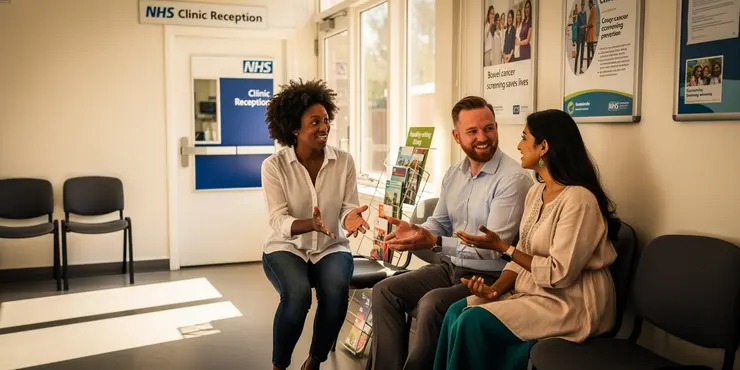
While not a lifestyle change per se, regular screenings are essential for early detection and prevention of colorectal cancer. In the UK, individuals between 60 and 74 are invited for bowel cancer screening every two years. These screenings can detect precancerous conditions, allowing for early intervention. Adopting healthy lifestyle practices alongside regular screenings enhances overall preventive measures against colorectal cancer.
Conclusion
Implementing lifestyle changes such as a nutritious diet, regular exercise, moderating alcohol intake, and avoiding tobacco can significantly lower the risk of colorectal cancer. Coupled with regular screenings, these measures empower individuals to take an active role in their health. By making informed choices and adapting healthier habits, it is possible to improve overall wellbeing and reduce the likelihood of developing colorectal cancer. Public awareness and individual commitment to lifestyle modifications can make a substantial difference in cancer prevention across the UK.
Introduction
Colorectal cancer is a big health issue in the UK. Many people get it each year. It can be caused by your genes, but how you live your life can also affect it. Understanding how changing your lifestyle can help prevent this cancer is important for staying healthy.
Dietary Habits
Eating a balanced diet can help lower the risk of colorectal cancer. Eating a lot of red and processed meats can increase the risk. It is better to eat more fruits, vegetables, whole grains, and lean proteins like chicken or fish. These foods have important nutrients and fibre that help keep your stomach and intestines healthy. Eating less fatty and sugary foods can also help you stay at a healthy weight, which is important for preventing cancer.
Physical Activity
Being active is very important to help prevent colorectal cancer. Try to do physical activities like walking, cycling, or playing sports for at least 150 minutes every week. Regular exercise helps you stay at a healthy weight and keeps your body working well. This can lower the risk of getting cancer.
Alcohol and Smoking
Drinking less alcohol is important to help prevent cancer. Drinking too much alcohol can increase the risk of getting different types of cancer, including colorectal cancer. It is recommended not to drink more than 14 units of alcohol each week. Also, stopping smoking is very important because using tobacco is known to cause cancer. There is support available in the UK to help people quit smoking.
Regular Screenings
Regular screenings help find colorectal cancer early. In the UK, people aged 60 to 74 are invited to have a bowel cancer screening every two years. These screenings can find signs of cancer before it fully develops. Along with a healthy lifestyle, regular screenings are an important way to prevent colorectal cancer from growing.
Conclusion
Making changes like eating healthy foods, being active, drinking less alcohol, and not smoking can lower the risk of colorectal cancer. Regular check-ups are also important. By making good choices and healthy changes, people can take control of their health and reduce the chance of getting cancer. It is important for everyone to know about these changes and stick to them to help prevent cancer in the UK.
Frequently Asked Questions
Yes, lifestyle changes can significantly reduce the risk of developing colorectal cancer.
Lifestyle changes such as a healthy diet, regular exercise, maintaining a healthy weight, and avoiding smoking and excessive alcohol consumption can help prevent colorectal cancer.
A diet high in fruits, vegetables, and whole grains and low in red and processed meats can lower the risk of colorectal cancer.
Yes, regular physical activity can lower the risk of colorectal cancer by helping to maintain a healthy weight and improve overall health.
Obesity is associated with an increased risk of colorectal cancer, so maintaining a healthy weight is important for prevention.
Yes, smoking is a risk factor for many types of cancer, including colorectal cancer, so quitting smoking can reduce risk.
Yes, excessive alcohol consumption can increase the risk of colorectal cancer. It's best to limit alcohol intake to moderate levels.
It's recommended to consume at least 25-30 grams of fiber daily from fruits, vegetables, and whole grains to help lower the risk.
Yes, consuming high amounts of processed meat has been linked to an increased risk of colorectal cancer. Limiting intake is advised.
While not a lifestyle change, regular screenings can detect precancerous polyps that can be removed to prevent cancer from developing.
Sedentary behavior is linked to obesity and an increased risk of colorectal cancer, so staying active is important for prevention.
Some studies suggest that adequate vitamin D levels may be linked to a lower risk of colorectal cancer, though more research is needed.
Chronic inflammation can increase the risk of cancer, including colorectal cancer. Eating an anti-inflammatory diet may help reduce risk.
While stress alone isn't directly linked to colorectal cancer, managing stress can lead to healthier lifestyle choices that reduce cancer risk.
Reducing fried foods and opting for healthier fats like those from fish, nuts, and olive oil can help lower colorectal cancer risk.
Antioxidants found in fruits and vegetables can help protect cells from damage and may lower colorectal cancer risk.
Staying well-hydrated supports healthy digestion and may help reduce the risk of colorectal cancer.
A healthy gut microbiome can support digestion and immune function, potentially lowering colorectal cancer risk.
Yes, people with type 2 diabetes have a higher risk of colorectal cancer. Managing diabetes through lifestyle can mitigate this risk.
A family history of colorectal cancer may increase your risk, making lifestyle changes and screenings even more crucial.
Yes, changing how you live can really help lower the chance of getting bowel cancer.
Making some changes to how you live can help stop bowel cancer. Eat healthy food, exercise often, keep a healthy weight, and try not to smoke or drink too much alcohol.
For more help, you can use picture charts or ask someone to explain these tips to you.
Eating lots of fruits, vegetables, and whole grains is good for you. Try not to eat too much red meat like beef or pork. Also, avoid processed meats like sausages and bacon. This can help you stay healthy and avoid cancer in your tummy, called colorectal cancer.
Helpful tip: You can use picture charts to help you plan your meals. This makes it easier to remember what to eat. Also, cooking with family or friends can make it fun to try new healthy foods together.
Yes, moving your body often can help lower the risk of getting bowel cancer. It helps you stay at a healthy weight and feel better overall.
Being very overweight can make it more likely to get bowel cancer. Keeping a healthy weight helps you stay well.
Smoking can cause many types of cancer, like bowel cancer. If you stop smoking, you can lower your chance of getting cancer.
Drinking too much alcohol can make it more likely for you to get bowel cancer. It's better to drink only a little bit of alcohol.
Eat 25 to 30 grams of fiber every day. You can get fiber from fruits, vegetables, and whole grains. This helps keep you healthy.
Eating a lot of processed meat, like sausages and bacon, can make it more likely to get a type of cancer that affects the bowel. It's a good idea to eat less of these meats.
Regular health checks can find small growths called polyps. Doctors can take these out to stop cancer before it starts. This is not a lifestyle change.
Sitting too much can make you gain weight and might cause bowel cancer. It is good to move around and be active to stay healthy and help stop these problems.
Some studies say having enough vitamin D might help lower the chance of getting bowel cancer. But scientists need to study more to be sure.
When the body is swollen and sore for a long time, it can make the chance of getting cancer go up. This includes cancer in the bowel, which is called colorectal cancer. Eating foods that help stop swelling can help lower the chance of getting cancer.
Stress by itself doesn't cause bowel cancer. But handling stress well can help you make healthy choices. These choices can lower the chances of getting cancer.
Eating less fried food is good for your health. Try to eat healthy fats instead. These are in fish, nuts, and olive oil. Eating these foods can help lower the risk of getting colorectal cancer.
Fruits and vegetables have special things in them called antioxidants. These help keep our body’s cells safe and can lower the chance of getting a type of cancer called colorectal cancer.
Drinking enough water keeps your stomach and intestines healthy. It might also help lower the chance of getting colon cancer.
Your tummy has tiny helpers called bacteria that help break down food and keep you healthy. Having good bacteria in your belly can help you stay strong and fight off bugs. It might even help stop tummy problems like cancer.
Yes, people with type 2 diabetes have a higher chance of getting bowel cancer. Living a healthy life can help lower this chance.
If someone in your family had bowel cancer, it can make it more likely that you could get it too. This means it is very important to live a healthy life and go for check-ups.

Ergsy Search Results
This website offers general information and is not a substitute for professional advice.
Always seek guidance from qualified professionals.
If you have any medical concerns or need urgent help, contact a healthcare professional or emergency services immediately.
Some of this content was generated with AI assistance. We've done our best to keep it accurate, helpful, and human-friendly.
- Ergsy carefully checks the information in the videos we provide here.
- Videos shown by Youtube after a video has completed, have NOT been reviewed by ERGSY.
- To view, click the arrow in centre of video.
- Most of the videos you find here will have subtitles and/or closed captions available.
- You may need to turn these on, and choose your preferred language.
- Go to the video you'd like to watch.
- If closed captions (CC) are available, settings will be visible on the bottom right of the video player.
- To turn on Captions, click settings.
- To turn off Captions, click settings again.