
Get Answers
Understanding Home Colorectal Cancer Testing
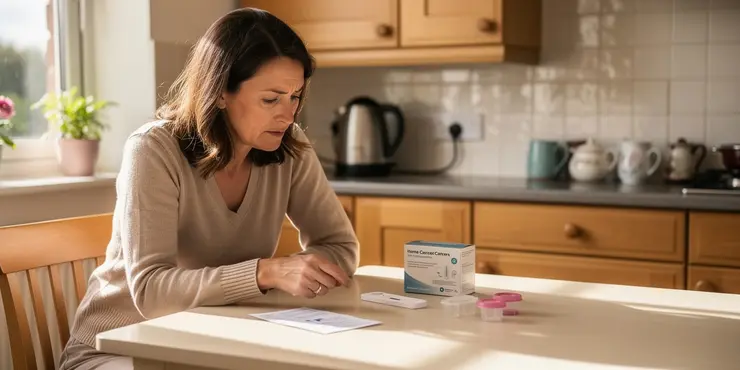
Colorectal cancer is a significant health concern and regular screening is vital for early detection. In the UK, the National Health Service (NHS) provides guidelines for colorectal cancer screening, which include home testing kits. These kits offer a convenient way to check for early signs of cancer, but it is important to understand how often these tests should be performed to ensure optimal health outcomes.
Recommended Frequency of Home Testing
The NHS recommends that individuals between the ages of 60 and 74 participate in screening every two years. This is conducted through a home testing kit known as the faecal immunochemical test (FIT). The FIT kit detects traces of blood in the stool, which can be an early indicator of colorectal cancer. Receiving the test every two years helps to regularly monitor any changes and allows for early intervention if necessary.
Participation in the Screening Programme
When you are eligible, the NHS will automatically send you a home testing kit through the post. The arrival of your test kit is an important reminder that screening is due and should be completed in a timely manner. Completing the test and returning it as instructed helps maintain the regular two-year screening cycle recommended by health professionals.
Importance of Regular Testing
Regular colorectal cancer screening through home testing kits is crucial as colorectal cancer often does not present symptoms until it is more advanced. By using the FIT kit every two years, potential issues can be identified early, improving treatment outcomes and potentially saving lives. For individuals over 74, it is advised to discuss continued screening with their GP, who can guide future decisions based on individual health status.
Additional Considerations
While biennial screening is recommended for the general population, some individuals may need to perform tests more frequently. Those with a personal or family history of colorectal cancer or polyps, or other risk factors, should consult their healthcare provider to determine a more tailored testing schedule. Furthermore, if you experience any symptoms such as changes in bowel habits, blood in stools, or abdominal pain, it is important to seek medical advice regardless of your last screening test.
Conclusion
Adhering to the recommended schedule for home colorectal cancer tests is an important step in proactive healthcare. The ease of the home testing kit allows individuals to conduct essential health checks conveniently and effectively. By understanding the recommended frequency and taking prompt action when eligible, you can contribute significantly to your colorectal health and overall wellbeing.
Understanding Home Colorectal Cancer Testing
Colorectal cancer is a serious health issue. Testing helps find it early. In the UK, the NHS gives advice on testing. They send kits you can use at home. These kits help find cancer early, which is important. It's good to know how often to use these kits to keep healthy.
How Often to Test at Home
The NHS says people aged 60 to 74 should test every two years. This is with a home kit called FIT. The FIT kit looks for tiny amounts of blood in your poo. This can be a sign of cancer. Testing every two years helps find any changes early. This way, any problems can be fixed early.
Taking Part in the Screening Program
When it's time to test, the NHS sends a kit to your home. This reminds you to do the test. It's important to do the test and send it back as told. This keeps you on track with testing every two years.
Why Regular Testing is Important
Testing for colorectal cancer with home kits is important. Often, this cancer doesn't show signs until it's bad. The FIT kit helps find problems early, making treatments work better and keeping people safe. If you are over 74, talk to your doctor about testing. They can help decide what’s best for you.
Other Things to Think About
Most people test every two years. But some might need it more often. If you or your family have had cancer or polyps, talk to your doctor. They will help decide when to test. If you see changes in how you poo, find blood, or have tummy pain, see a doctor. Do this even if your last test was fine.
Conclusion
Doing home tests on schedule is good for your health. The home kit makes it easy to check your health. By testing when the NHS says and acting quickly, you help keep yourself healthy.
Frequently Asked Questions
It is recommended to perform a home colorectal cancer test once a year if you are using a fecal immunochemical test (FIT) or a guaiac-based fecal occult blood test (gFOBT).
Screening generally starts at age 45 for average-risk individuals, but you should consult your doctor to determine the best starting age for you.
It's typically not necessary to perform the test more frequently than once a year for average-risk individuals, unless advised by a healthcare provider.
If you get a positive result, you should follow up with your healthcare provider for further testing, such as a colonoscopy.
While home tests like FIT and gFOBT are effective at detecting early signs, they should be part of a comprehensive screening plan that may include colonoscopies.
Individuals with a family history of colorectal cancer, certain genetic conditions, or symptoms suggestive of colorectal cancer should not rely solely on home tests.
Factors include a personal or family history of colorectal cancer or polyps, certain genetic conditions, or diseases like inflammatory bowel disease.
Yes, symptoms like persistent abdominal pain, blood in the stool, and unexplained weight loss should prompt immediate consultation with a healthcare provider.
A FIT is a non-invasive test that detects the presence of blood in the stool, which can be an early sign of colorectal cancer.
Healthy lifestyle changes like a balanced diet, regular exercise, limiting alcohol, and not smoking can reduce risk but may not change screening frequency recommendations.
Annual testing increases the likelihood of detecting cancers early when they are most treatable.
Regular use of home tests can reduce mortality by finding cancers early, but effectiveness depends on consistent and appropriate follow-up.
It's recommended to continue annual testing even after a negative result, as conditions can change from year to year.
Some home tests may require a prescription, while others can be purchased over the counter.
Results typically take a few days to a week after submitting your sample.
A gFOBT detects hidden blood in the stool using a chemical reaction, which can indicate colorectal cancer.
Follow the test instructions carefully, avoid certain foods and medications if instructed, and use the test kit within its expiration date.
Not testing regularly can lead to late-stage cancer diagnoses, which are harder to treat and may have worse outcomes.
No test is perfect; home tests primarily detect blood in the stool, which can be a sign of cancer but not all colorectal cancers will produce blood detectable by these tests.
Follow the disposal instructions that come with your test kit; generally, samples should be sealed and sent back in the provided packaging, and any disposable items can be thrown away according to local guidelines.
It's a good idea to do a home test for colon cancer every year. There are two types of tests you can use: a poop test called FIT or another poop test called gFOBT.
Most people should start getting checked by age 45, but it's a good idea to ask your doctor what age is best for you.
Most people only need to do the test once a year. You can ask your doctor if you need to do it more often.
If the test says 'yes,' talk to your doctor. They will do more tests, like looking inside your tummy with a special camera called a colonoscopy.
Home tests like FIT and gFOBT can find early signs of problems. But it is important to have other tests too, like a colonoscopy, to make sure you are healthy.
If someone in your family had bowel cancer, or if you have certain genetic problems, or signs of bowel cancer, you should not only use home tests.
Things that make it more likely to get bowel cancer are: if you or someone in your family had bowel cancer or little lumps called polyps before, if you have certain genes from your family, or if you have a stomach illness like inflammatory bowel disease.
If you have a tummy ache that won't go away, see blood when you poop, or lose weight without trying, you should see a doctor right away.
A FIT is a test you can do at home. It looks for blood in your poo. Finding blood is important because it might mean there is a problem, like cancer in the bowel.
Living healthy is important. Eating good food, exercising, not drinking too much alcohol, and not smoking can help you stay healthy. But remember, even if you do all these things, it might not change how often you need health check-ups. Using a calendar or setting reminders on your phone can help you keep track of when to see the doctor.
Getting tested every year helps find cancer early. This means doctors can treat it better.
Using home tests often can help find cancer early. This can save lives. It is important to do the tests the right way and keep checking with your doctor.
It's a good idea to get tested every year, even if your last test was okay. Things can change, so it's good to check every year.
Some home tests need a doctor's note. But some you can buy at the store without one.
You will usually get your results a few days to a week after you send in your sample.
A gFOBT is a test that looks for hidden blood in your poo. It uses a special chemical reaction. Finding blood might mean there is a problem like bowel cancer.
Read and follow the test directions carefully. If asked, do not eat some foods or take some medicines. Make sure the test kit is not too old to use.
If we don't check for cancer often, we might find it too late. When we find cancer late, it is harder to make better, and people might get very sick.
It is important to get checked by a doctor often. Ask your doctor about tests you can do to stay healthy.
You can use a calendar to remind you about health check-ups. You can also ask a friend or family member to help you remember.
No test is perfect. Home tests look for blood in your poop. This can be a sign of cancer. But not all bowel cancers will show blood in these tests.
When you are finished with your test kit, follow the steps in the instructions that came with it. Usually, you need to put your test in a special package and send it back. Throw away any other items in the trash, but check your local rules first. You can use a timer or checklist to help you remember the steps.

Ergsy Search Results
This website offers general information and is not a substitute for professional advice.
Always seek guidance from qualified professionals.
If you have any medical concerns or need urgent help, contact a healthcare professional or emergency services immediately.
Some of this content was generated with AI assistance. We've done our best to keep it accurate, helpful, and human-friendly.
- Ergsy carefully checks the information in the videos we provide here.
- Videos shown by Youtube after a video has completed, have NOT been reviewed by ERGSY.
- To view, click the arrow in centre of video.
- Most of the videos you find here will have subtitles and/or closed captions available.
- You may need to turn these on, and choose your preferred language.
- Go to the video you'd like to watch.
- If closed captions (CC) are available, settings will be visible on the bottom right of the video player.
- To turn on Captions, click settings.
- To turn off Captions, click settings again.