
Get Answers
Common Symptoms of Nettle Rash
Introduction to Nettle Rash
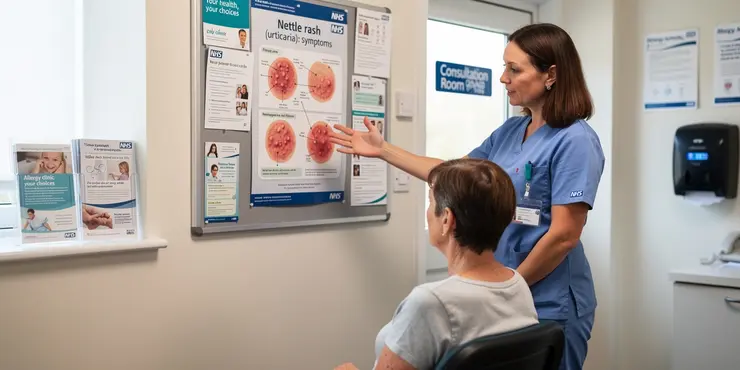
Nettle rash, commonly known as hives or urticaria, is a skin reaction which results in itchy, red, and swollen areas on the skin. This condition occurs when the body releases histamines and other chemicals into the bloodstream, often as a result of an allergic reaction. Nettle rash can appear suddenly and may last for a few hours to several days.Identifying Symptoms
Appearance of Raised Welts
One of the hallmark symptoms of nettle rash is the appearance of raised, red or skin-coloured welts on the surface of the skin. These welts, also known as wheals, can vary in size from small dots to large patches and are often surrounded by an area of redness known as a flare. The welts can occur anywhere on the body and frequently change shape and location, disappearing in one place and appearing in another within hours.Intense Itching
The affected areas of skin tend to be extremely itchy, causing considerable discomfort. This itching can worsen at night, potentially disrupting sleep. For some individuals, scratching can lead to more hives or exacerbate those already present.Swelling
Swelling is another common symptom of nettle rash. This can affect any part of the body but is most often noticed on the lips, eyelids, and throat, which may be particularly concerning if it leads to difficulty breathing or swallowing, indicative of a more severe reaction known as angioedema.Burning or Stinging Sensation
In addition to itching, some individuals may experience a burning or stinging sensation where the welts appear. This discomfort adds to the general irritation caused by the condition.When to Seek Medical Advice
Though nettle rash is often mild and short-lived, medical attention should be sought if you experience severe or persistent symptoms, or if your breathing is affected. Chronic urticaria or recurrent episodes may require further investigation and management. If symptoms are accompanied by dizziness, a rapid heartbeat, or swelling leading to breathing difficulties, seek emergency medical help immediately. Recognising these symptoms promptly can lead to a better management strategy and minimize the impact on daily life.Common Symptoms of Nettle Rash
Introduction to Nettle Rash
Nettle rash is also called hives. It makes your skin itchy, red, and swollen. This happens because your body releases special chemicals called histamines. The rash can show up suddenly and might last a few hours or days.Identifying Symptoms
Appearance of Raised Welts
When you have nettle rash, you might see raised bumps on your skin. These can be red or the same color as your skin. The bumps can be small like dots or bigger like patches. They might also move around, coming and going in different places on your body.Intense Itching
Nettle rash can make you feel very itchy. This itching can get worse at night and might keep you from sleeping well. Scratching can make the rash worse.Swelling
You might see swelling on parts of your body, often on your lips, eyelids, or throat. If swelling makes it hard to breathe or swallow, it is serious and needs quick help from a doctor.Burning or Stinging Sensation
Along with itching, you might feel a burning or stinging where the bumps are. This can be uncomfortable and make the rash feel worse.When to Seek Medical Advice
Nettle rash is usually mild and goes away on its own. But you should see a doctor if it is severe, lasts a long time, or makes it hard to breathe. If you feel dizzy, your heart is beating fast, or you have trouble breathing, get emergency help right away. Knowing these signs helps you take care of yourself and feel better sooner. Support tools like using a cool cloth on your skin, taking lukewarm baths, and wearing loose clothing can help manage symptoms. If you need help reading or understanding, ask someone to read this with you.Frequently Asked Questions
Nettle rash, also known as hives or urticaria, is a skin reaction that causes red, itchy welts to form on the skin.
The typical symptoms include red, raised welts on the skin that often itch or cause a burning sensation.
Symptoms usually last a few hours to a couple of days, but chronic cases can persist for more than six weeks.
Yes, in some cases, nettle rash can cause swelling, particularly around the eyes, lips, and in severe cases, the throat.
No, nettle rash is not contagious. It is a reaction of the skin and cannot be passed from person to person.
Common triggers include allergies to foods or medications, insect bites, stress, and exposure to heat or cold.
Yes, stress can be a trigger for nettle rash in some individuals.
You should see a doctor if the rash is severe, persistent, occurs alongside other symptoms like breathing difficulties, or if you're unsure of the cause.
A doctor can diagnose nettle rash based on a physical examination and your medical history. Sometimes allergy tests may be recommended.
Treatments include antihistamines to reduce itching and inflammation, as well as avoiding known triggers.
Yes, nettle rash can appear suddenly and disappear just as quickly, within a few hours or days.
There is no permanent cure, but symptoms can often be managed through avoidance of triggers and medication.
Yes, some people may experience nettle rash due to allergic reactions to specific foods like nuts, shellfish, or eggs.
Yes, children can experience nettle rash, often due to food allergies or infections.
Yes, nettle rash tends to appear suddenly with red, itchy welts, while eczema is a chronic condition that results in dry, inflamed skin.
Nettle rash is also called hives. It is a skin problem that makes red, itchy spots on the skin.
The usual signs are red, raised bumps on the skin. They can feel itchy or like they are burning.
Sometimes, symptoms go away after a few hours. Other times, they can last a day or two. If it lasts a long time, more than six weeks, it could be a chronic case.
Yes, sometimes nettle rash can make parts of your body swell up. This might happen around your eyes, lips, and in serious cases, your throat.
Nettle rash cannot spread from one person to another. It happens on your skin and is not something you can catch from someone else.
Things that can cause problems are:
- Being allergic to some foods or medicines.
- Insect bites.
- Feeling very stressed.
- Being too hot or too cold.
Try using pictures to help remember these. You can also ask someone to read with you or use apps that read text out loud.
Yes, stress can sometimes cause nettle rash in some people.
Go see a doctor if:
- Your rash is really bad.
- Your rash does not go away.
- You have trouble breathing along with the rash.
- You don’t know why you have the rash.
If you need help understanding or remembering, you can ask a friend or family member to go with you to the doctor. You can also write things down or use a voice recorder on your phone to remember what the doctor says.
A doctor can figure out if you have nettle rash by looking at your skin and asking about your health. Sometimes, you might need allergy tests to be sure.
Treatments help with itching and swelling. You can take medicine called antihistamines. It also helps to stay away from things that make you itchy.
Yes, nettle rash can show up quickly and go away just as fast. It might be gone in a few hours or days.
There is no way to fix it forever, but you can often feel better by staying away from things that make it worse and by taking medicine.
Yes, some people might get a rash from allergies. This can happen if they eat foods like nuts, shellfish, or eggs.
Yes, children can get nettle rash. This can happen because of food allergies or getting sick.
Yes, nettle rash shows up quickly. You get red, itchy bumps. Eczema is a long-term problem. It makes your skin dry and sore.
If reading is hard, use simple tools like text-to-speech or audiobooks to listen instead of read. You can also try reading one sentence at a time and take breaks. Reading with a friend or family member can also help.

Ergsy Search Results
This website offers general information and is not a substitute for professional advice.
Always seek guidance from qualified professionals.
If you have any medical concerns or need urgent help, contact a healthcare professional or emergency services immediately.
Some of this content was generated with AI assistance. We've done our best to keep it accurate, helpful, and human-friendly.
- Ergsy carefully checks the information in the videos we provide here.
- Videos shown by Youtube after a video has completed, have NOT been reviewed by ERGSY.
- To view, click the arrow in centre of video.
- Most of the videos you find here will have subtitles and/or closed captions available.
- You may need to turn these on, and choose your preferred language.
- Go to the video you'd like to watch.
- If closed captions (CC) are available, settings will be visible on the bottom right of the video player.
- To turn on Captions, click settings.
- To turn off Captions, click settings again.