
Get Answers
What is the Role of Healthcare Professionals in Supporting Carers?
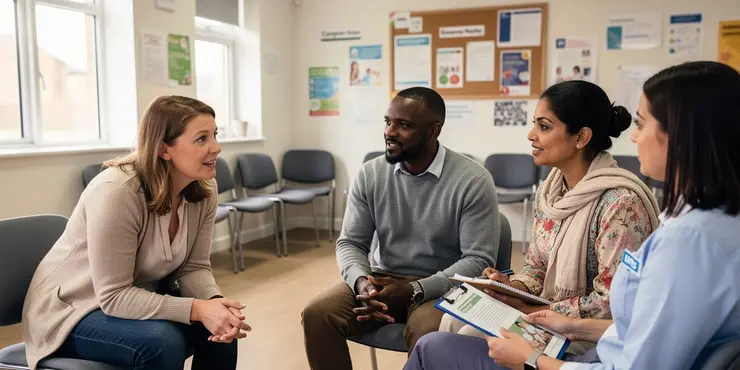
In the UK, carers are a vital part of the healthcare ecosystem, providing essential support and care to those who are elderly, disabled, or chronically ill. Healthcare professionals play a crucial role in supporting these carers, ensuring they have the resources, knowledge, and emotional backing required to perform their duties effectively.
Firstly, healthcare professionals can provide carers with essential information and education about the medical conditions affecting the person they care for. This knowledge allows carers to better understand symptoms, treatment options, and the management of daily activities for the person they are supporting. By equipping carers with the right information, healthcare professionals enable them to act swiftly and correctly in response to the healthcare needs of their loved ones.
Moreover, healthcare professionals have the responsibility to recognise the physical and mental toll caring can take on individuals. Carers often face stress, burnout, and health issues due to the demanding nature of their role. By providing emotional support and encouraging carers to seek help when needed, healthcare professionals can help mitigate these effects. This support can include referring carers to counselling services, support groups, or respite care, where they can share experiences and find temporary relief from their duties.
Furthermore, healthcare professionals can advocate for carers by incorporating carer needs into healthcare planning and decision-making processes. During consultations or care planning sessions, involving carers ensures that they are informed and their insights are considered, leading to more comprehensive care strategies. This proactive involvement also ensures that carers feel valued and understood, enhancing cooperation between them and healthcare teams.
Healthcare professionals are also instrumental in helping carers access financial resources and benefits they might be entitled to. In the UK, there are various allowances and support mechanisms available for carers, such as the Carer's Allowance. Healthcare professionals can provide guidance on navigating these systems, ensuring carers receive adequate financial support.
Lastly, through training and workshops, healthcare professionals can offer carers practical skills that can ease the caregiving burden. This may include first aid training, or sessions on managing medication routines safely at home. These practical skills are invaluable in empowering carers, building their confidence in providing the necessary care.
In conclusion, the role of healthcare professionals in supporting carers in the UK involves a multifaceted approach. By offering education, emotional support, advocacy, financial guidance, and practical training, healthcare professionals can significantly enhance the wellbeing of carers. Recognising and supporting the vital contributions of carers not only benefits the individuals receiving care but also strengthens the overall healthcare system.
Frequently Asked Questions
The primary role is to provide information, resources, and emotional support to carers to help them maintain their own well-being while effectively caring for the patient.
Healthcare professionals can simplify medical jargon, provide clear explanations, and use visual aids or decision aids to help carers understand complex medical information.
They can offer training and education on caregiving skills, connect carers with support groups, and help them access respite care services.
Professionals can provide psychosocial support, recommend stress management techniques, and facilitate access to mental health resources.
By actively listening to carers’ concerns, including them in care discussions, and respecting their insights and observations about the patient's needs.
It is essential as recognizing their role validates their efforts and encourages collaboration, leading to better outcomes for both the carer and the patient.
Professionals can offer pamphlets, online resources, workshops, and one-on-one training sessions tailored to specific caregiving needs.
By ensuring both parties’ voices are heard and addressing their needs simultaneously through coordinated care planning.
Through telehealth services, digital health apps, and online support forums that provide carers with accessible support and resources.
They can advocate for policies and practices that support carers, as well as assist carers in accessing necessary services and benefits.
By encouraging carers to attend their own healthcare appointments and offering advice on maintaining healthy lifestyles.
To provide carers with additional resources, community support, and specialized services that healthcare settings may not offer.
Effective support can significantly improve carers' mental, emotional, and physical well-being, reducing burnout and enhancing their caregiving capability.
By offering counseling services, organizing peer support groups, and teaching coping strategies.
Training in communication, empathy, the specific challenges faced by carers, and the resources available to them.
They provide immediate support and interventions, connect carers with emergency resources, and offer guidance on managing acute stress.
By conducting thorough assessments, listening carefully to carers, and developing personalized care plans.
It ensures that carers receive holistic support from a team of healthcare providers, covering medical, emotional, and practical aspects.
By providing discharge planning, training on home care techniques, and ensuring follow-up support is available.
They must respect carers’ autonomy, confidentiality, and rights, while also considering the best interests of both the carer and patient.

Ergsy Search Results
This website offers general information and is not a substitute for professional advice.
Always seek guidance from qualified professionals.
If you have any medical concerns or need urgent help, contact a healthcare professional or emergency services immediately.
Some of this content was generated with AI assistance. We've done our best to keep it accurate, helpful, and human-friendly.
- Ergsy carefully checks the information in the videos we provide here.
- Videos shown by Youtube after a video has completed, have NOT been reviewed by ERGSY.
- To view, click the arrow in centre of video.
- Most of the videos you find here will have subtitles and/or closed captions available.
- You may need to turn these on, and choose your preferred language.
- Go to the video you'd like to watch.
- If closed captions (CC) are available, settings will be visible on the bottom right of the video player.
- To turn on Captions, click settings.
- To turn off Captions, click settings again.