
Get Answers
The Importance of Carers for Those with Dementia
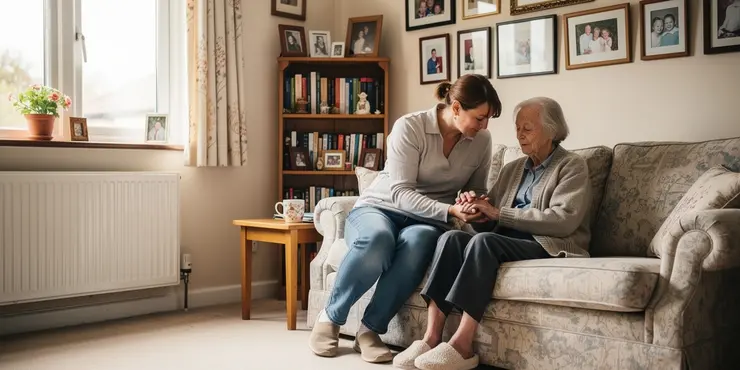
Carers play a vital role in the lives of individuals living with dementia, providing essential support that addresses both daily needs and emotional well-being. In the UK, where more than 850,000 people are affected by dementia, carers are indispensable to the management of this challenging condition.
Daily Assistance and Routine Management
One of the primary roles of carers is to assist with daily tasks and manage routines. Individuals with dementia often struggle with activities such as dressing, bathing, and meal preparation. Carers help maintain a structured routine, which can reduce confusion and anxiety. This stability is crucial for those with dementia, as it provides a sense of familiarity and security.
Emotional and Social Support
In addition to physical assistance, carers provide important emotional and social support. Dementia can lead to feelings of isolation for those affected, as their ability to communicate and interact may diminish. Carers offer companionship and understanding, helping to combat loneliness. By engaging individuals in meaningful activities and encouraging social interaction, carers contribute significantly to their overall quality of life.
Monitoring Health and Managing Symptoms
Carers also play a critical role in monitoring the health of individuals with dementia. They are often the first to notice changes in behaviour or health that may require medical attention. Carers must manage medications, attend medical appointments, and communicate effectively with healthcare professionals. This oversight ensures that the individual’s health is closely managed and that any complications or changes in the condition are addressed promptly.
Support for Families and Friends
Beyond direct care, carers provide invaluable support to the families and friends of individuals with dementia. They offer guidance, build understanding, and provide peace of mind to relatives who might be overwhelmed by the demands of caregiving. Carers are often involved in educating families about the progression of dementia and advising on the best ways to support their loved ones.
The Economic Impact of Carers
In the UK, the economic contribution of unpaid carers is substantial. According to estimates, the value of the care provided by unpaid carers far exceeds that of formal care services. This highlights the critical economic and social role carers play in the dementia care landscape.
Conclusion
Overall, carers are central to the well-being and quality of life of individuals living with dementia. Their contributions encompass daily care, health monitoring, and emotional support, making them indispensable allies in the management of dementia. As the population ages and the prevalence of dementia increases, the role of carers will become even more crucial in ensuring the dignity and quality of life for those affected.
Why Carers Are Important for People with Dementia
Carers are people who help look after others. They are very important for people with dementia. Dementia affects how people think and remember things. In the UK, over 850,000 people have dementia. Carers help make sure these people get the care they need every day.
Helping with Daily Tasks
Carers help people with dementia do daily tasks. These can be things like getting dressed, taking baths, and making food. Having a daily routine helps people with dementia feel calm and safe.
Being a Friend
Carers also help by being a friend. People with dementia can feel lonely because it is hard for them to talk and join in activities. Carers keep them company and do fun things together to make them feel happy.
Watching Health and Symptoms
Carers watch the health of people with dementia. They notice if there are changes that need a doctor. Carers help with medicines and doctor visits. This keeps the person healthy and safe.
Helping Families and Friends
Carers not only help the person with dementia. They also support the family and friends. They give advice and help families understand how to support their loved ones. This makes families feel less worried.
Saving Money for the UK
Carers help save money for everyone. The help they give is worth more than paid care services. This shows how important carers really are.
Conclusion
Carers are very important for people with dementia. They help with daily needs, health, and give friendship. As more people get dementia, carers will become even more important.
Frequently Asked Questions
Carers for individuals with dementia often oversee daily living activities, ensure the safety and well-being of the person, provide emotional support, and manage healthcare and medication needs.
Carers can help manage symptoms by maintaining a routine, providing cognitive stimulation, assisting with memory aids, and creating a calm and supportive environment.
Important skills include patience, empathy, effective communication, problem-solving, and the ability to manage stress.
Carers can encourage independence by assisting with decision-making, allowing the person to perform tasks they can still manage, and promoting participation in activities they enjoy.
Carers ensure safety by preventing falls, securing a safe environment, monitoring for medication side effects, and being vigilant about potential hazards related to wandering.
Carers use clear, simple language, maintain eye contact, and employ other strategies such as visual aids and affirmation to facilitate understanding.
Carers offer companionship, reassurance, and comfort, helping reduce anxiety and enhancing the person's emotional well-being.
Carers coordinate medical appointments, track medications, and liaison with healthcare professionals to ensure comprehensive care.
Routines provide structure and familiarity, reducing confusion and anxiety for individuals with dementia.
Training in dementia care techniques, first aid, stress management, and communication skills can enhance a carer's effectiveness.
Carers manage behavior changes by staying calm, redirecting attention, identifying triggers, and using behavioral interventions.
Carers assist with personal hygiene, dressing, feeding, and other daily living activities while respecting the person's dignity and preferences.
Carers can manage responsibilities by seeking support from respite services, setting realistic goals, and making time for their self-care to prevent burnout.
Resources include support groups, educational workshops, helplines, and respite care services.
Carers can provide information, support emotional discussions, and help develop care plans that involve family members.
Carers keep detailed records of changes in behavior, cognitive abilities, and daily functioning to share with healthcare providers.
Effective communication ensures coordinated care, accurate information sharing, and adjustments to care plans based on changing needs.
Carers advise families to stay informed about the condition, engage in open communication, and participate in support networks.
Technology can provide tools such as medication reminders, GPS trackers for safety, and apps for cognitive engagement.
A dementia diagnosis can increase responsibilities, necessitate more intensive care, and impact the carer's personal life and emotional well-being.
People who take care of someone with dementia have important jobs. They help with things like getting dressed, eating, and washing. They make sure the person is safe and feels okay. They also give hugs and talk to them. They give medicine too.
People who take care of others can help in these ways:
- Keep a regular schedule each day.
- Do fun puzzles or games that make you think.
- Use tools to help remember things, like notes or pictures.
- Make sure the place is quiet and kind.
Here are important skills:
- **Patience**: Staying calm and waiting without getting upset.
- **Empathy**: Understanding how other people feel.
- **Effective Communication**: Talking and listening well so everyone understands.
- **Problem-Solving**: Finding answers to problems.
- **Managing Stress**: Staying calm even when things are hard.
To help with these skills, try using pictures, taking breaks, and talking to someone you trust.
Carers can help people do things on their own. They can help by letting the person make choices, doing tasks they can still do, and joining fun activities together.
Carers keep people safe in these ways:
- They stop people from falling down.
- They make sure the place is safe.
- They check if medicine causes any bad reactions.
- They watch out for things that might be dangerous if someone walks away.
To make understanding easier, you could:
- Use pictures to show these actions.
- Ask someone to read with you.
- Use simple words.
- Take breaks if it feels too much.
Carers talk in a clear and simple way. They look at you when they talk, and they use pictures and say nice things to help you understand.
Carers are people who help others feel safe and happy. They keep people company and make them feel better. This helps people worry less and feel good inside.
Carers help look after people. They make sure you see the doctor and take your medicine. Carers also talk to doctors and nurses to keep everything on track.
Doing things the same way every day helps people with dementia feel safe and less worried.
Learning about how to take care of people with dementia, how to do first aid, how to manage stress, and how to talk and listen well can help carers do their jobs better.
Here are some ways to help you learn:
- You can watch videos online.
- You can go to classes.
- You can use apps that teach you.
Carers can handle changes in behavior by staying calm, helping the person focus on something else, finding out what causes the behavior, and using special methods to help.
Carers help people with things like washing, getting dressed, eating, and other everyday tasks. They make sure to do this in a way that respects the person and what they like.
Carers can get help by using respite services, setting goals they can reach, and taking time to care for themselves to stop feeling too tired.
Here are some places that can help you:
- Support groups: These are meetings where you can talk to others and get help.
- Educational workshops: These are classes where you can learn new things.
- Helplines: You can call these phone numbers to talk to someone who can help.
- Respite care services: These are places where you can take a break and someone else will help you for a while.
Carers can give you information. They can talk to you about your feelings. They can help make care plans with your family.
Carers write down changes in how a person acts, thinks, and does daily things. They share this information with doctors and nurses.
Good talking helps people work together to give care. It makes sure that everyone has the right information and can make changes if needed.
Helpers tell families to learn about the health problem, talk openly with each other, and join groups that offer help.
Technology can help in many ways. It can remind you to take your medicine. It can use GPS to keep you safe. There are also apps that help you think and learn.
When someone is told they have dementia, it means others need to help them a lot more. The person taking care of them will have more work to do, which can be tiring and also change how they feel. It might make their own life harder too.

Ergsy Search Results
This website offers general information and is not a substitute for professional advice.
Always seek guidance from qualified professionals.
If you have any medical concerns or need urgent help, contact a healthcare professional or emergency services immediately.
Some of this content was generated with AI assistance. We've done our best to keep it accurate, helpful, and human-friendly.
- Ergsy carefully checks the information in the videos we provide here.
- Videos shown by Youtube after a video has completed, have NOT been reviewed by ERGSY.
- To view, click the arrow in centre of video.
- Most of the videos you find here will have subtitles and/or closed captions available.
- You may need to turn these on, and choose your preferred language.
- Go to the video you'd like to watch.
- If closed captions (CC) are available, settings will be visible on the bottom right of the video player.
- To turn on Captions, click settings.
- To turn off Captions, click settings again.