
Get Answers
Transportation Services for Alzheimer's Patients and Their Carers in the UK
Alzheimer's disease presents unique challenges not only to those living with the condition but also to their carers. Transportation is a critical aspect of daily life, providing access to medical appointments, social activities, and essential services. In the UK, various transportation services are tailored to meet the needs of Alzheimer's patients and their carers, ensuring safety, convenience, and accessibility.
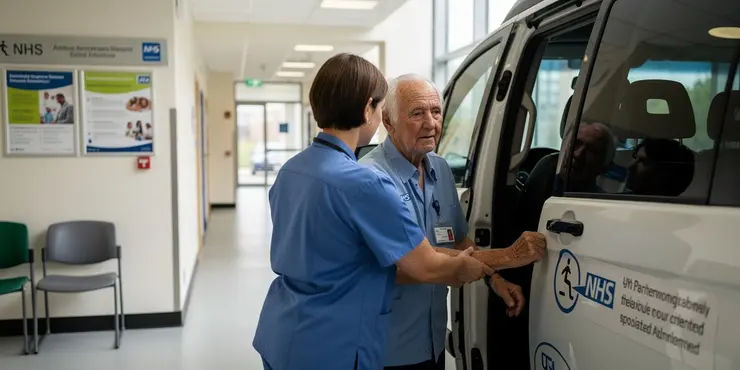
The National Health Service (NHS) offers non-emergency patient transport services (NEPTS) for those who have a medical need for transportation. This is especially beneficial for Alzheimer's patients who may require regular visits to medical facilities and are unable to use public transport safely. Eligibility is based on medical necessity, often determined through discussions with healthcare providers.
Local councils often provide community transport schemes. These services are geared towards individuals with mobility challenges, including those with Alzheimer's. They offer door-to-door services, booked in advance, and are staffed by trained drivers who assist passengers as needed. These community transport options may include minibuses equipped to handle wheelchairs and provide safe seating for individuals with cognitive impairments.
Volunteer driver schemes are another invaluable resource within many UK communities. These schemes connect volunteer drivers with Alzheimer's patients and their carers, helping them reach appointments or run errands. Drivers, often part of local charities or community organisations, receive training to support passengers with various needs, ensuring a compassionate and understanding service.
For those who can still use public transport with support, the UK offers various concession cards. The Disabled Person’s Railcard, for example, provides discounts for patients and carers travelling by train. Additionally, many bus services offer free or reduced travel through the English National Concessionary Travel Scheme, ensuring accessibility for disabled passengers, including those with dementia.
Alzheimer's patients and carers residing in urban areas may find benefit from taxi cards and dial-a-ride services. These services offer subsidised taxi fares or pre-booked minibus services, designed specifically to accommodate individuals with disabilities. They provide flexibility and ease of access, valuable for those living in busy metropolitan areas.
Technology-enhanced solutions, like ride-hailing services such as Uber, have begun offering tailored options in some areas. Features ensuring carers can monitor travel and enhanced driver training to support vulnerable passengers help adapt these modern services for Alzheimer's patients.
Overall, the UK's variety of transportation solutions for Alzheimer's patients and their carers highlights a comprehensive approach to addressing mobility challenges. Whether through state-funded services, community initiatives, or modern technological advancements, these options play an essential role in maintaining the quality of life and independence for those affected by Alzheimer's disease.
Frequently Asked Questions
Transportation services for Alzheimer's patients may include specialized non-emergency medical transportation (NEMT), paratransit services, ride-sharing services with trained drivers, and volunteer driver programs.
Yes, some transportation services are specifically designed for individuals with Alzheimer's, offering trained drivers and support staff who understand the needs and behaviors of those with dementia.
Important considerations include the training of drivers in dementia care, the safety and comfort of the service, scheduling flexibility, and the ability to accommodate any special needs the patient may have.
Yes, many transportation services allow caregivers to accompany Alzheimer's patients during the ride to provide additional support and reassurance.
Paratransit is a door-to-door transportation service for individuals with disabilities. It can help Alzheimer's patients by providing accessible and assisted transport with trained staff.
Yes, some communities offer volunteer driver programs where volunteers provide transportation for Alzheimer's patients and their carers, often at no cost or for a small donation.
Ride-sharing services can be adapted by using drivers who have received dementia-friendly training, ensuring clear communication, and using safety measures like GPS tracking.
Organizations such as the Alzheimer's Association, local Area Agencies on Aging, and senior centers often provide or coordinate transportation services for Alzheimer's patients.
Medicaid does cover some non-emergency medical transportation services, but Medicare does not, though certain Medicare Advantage plans may offer coverage.
To find a reputable service, consider contacting local Alzheimer's support groups, hospitals, or senior services organizations for recommendations and referrals.
Drivers should have training in dementia awareness, communication skills, emergency procedures, and patience to safely and effectively transport Alzheimer's patients.
To schedule transportation, contact the chosen service provider directly to arrange dates, times, and any special requirements the patient may have.
Some volunteer organizations and local community services provide free transportation, but availability can vary by location.
Safety features can include GPS tracking, trained staff, accessible vehicles, emergency communication systems, and scheduled check-ins.
Some transportation services do offer medical assistance or accompaniment for Alzheimer's patients during transit, especially non-emergency medical transport.
A caregiver can assist by providing comfort, ensuring the patient’s needs are met, and offering communication between the patient and driver.
Technology plays a role by offering GPS tracking, scheduling apps, in-vehicle communications, and alert systems to enhance safety and reliability.
Yes, many transportation services for Alzheimer's patients can accommodate wheelchairs and other mobility aids, but it's important to confirm these details when booking.
Operating hours vary by service, but many offer flexible scheduling including evenings and weekends to accommodate medical appointments or personal errands.
Yes, most services require advance booking to ensure availability and to arrange any special accommodations needed for the Alzheimer's patient.

Ergsy Search Results
This website offers general information and is not a substitute for professional advice.
Always seek guidance from qualified professionals.
If you have any medical concerns or need urgent help, contact a healthcare professional or emergency services immediately.
Some of this content was generated with AI assistance. We've done our best to keep it accurate, helpful, and human-friendly.
- Ergsy carefully checks the information in the videos we provide here.
- Videos shown by Youtube after a video has completed, have NOT been reviewed by ERGSY.
- To view, click the arrow in centre of video.
- Most of the videos you find here will have subtitles and/or closed captions available.
- You may need to turn these on, and choose your preferred language.
- Go to the video you'd like to watch.
- If closed captions (CC) are available, settings will be visible on the bottom right of the video player.
- To turn on Captions, click settings.
- To turn off Captions, click settings again.