
Get Answers
How do Carers Find Suitable Respite Care Facilities?
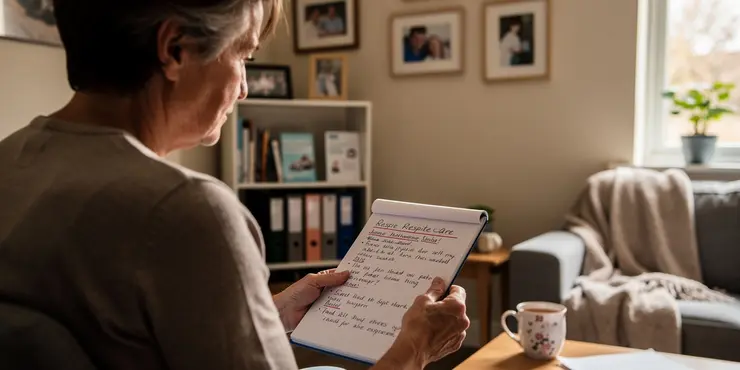
Caring for a loved one can be both rewarding and challenging, often requiring significant time, energy, and dedication. It's crucial for carers to take regular breaks to maintain their physical and mental well-being. Respite care provides temporary relief, allowing carers to rest and recharge while ensuring their loved ones receive proper care. Finding a suitable respite care facility can seem daunting, but there are effective ways to locate and choose the right service in the UK.
First, it's important to understand the types of respite care available. These can range from in-home care services, where a professional carer visits the home, to residential respite care facilities, where the individual needing care stays at a facility for a short period. This variety allows carers to choose the option that best suits their needs and the needs of the person they are caring for.
The initial step for carers is to evaluate their specific needs and the preferences of their loved ones. Consider factors such as the type of care required, the duration of respite needed, and any particular medical or personal needs. Once these aspects are clear, carers can begin their search for suitable services.
A good starting point is to contact local council social services departments. They can provide information on available services in the area and may even offer financial assistance or referrals to appropriate care providers. Additionally, the NHS website offers resources and advice on accessing respite care services.
Another valuable resource is the Care Quality Commission (CQC) website. The CQC regulates health and social care services in England and provides inspection reports and ratings for care providers. Checking these reports can give carers confidence in the quality and safety of the services they are considering.
Carers should also reach out to support groups and networks. Organisations like Carers UK provide advice, support, and information that can guide carers in making informed decisions. These networks often have recommendations based on the experiences of other carers, which can be invaluable when evaluating options.
Visiting facilities in person or arranging meetings with service providers can also be beneficial. This allows carers to assess the environment, speak directly to staff, and ask questions about the care provided. They can ensure the facility meets specific requirements and feels comfortable for both the carer and the person receiving care.
It's essential to plan ahead and have respite care arrangements prepared, even if they aren't needed immediately. Having options ready can alleviate stress at times when unexpected situations arise, ensuring that carers can take the necessary breaks to maintain their well-being and continue providing quality care for their loved ones.
Frequently Asked Questions
Carers respite care facilities provide short-term care and support for the person being cared for, giving carers a planned or emergency break to rest, recover, or attend to other responsibilities.
Eligibility for carers respite care facilities usually depends on the needs of the person being cared for, the level of support required, and local funding or assessment rules. Many services are available through local authorities, health providers, or private payment.
To apply for carers respite care facilities, you usually start with an assessment from your local authority, social worker, GP, or care coordinator. Some facilities also accept self-referrals or direct private booking.
Carers respite care facilities may include residential respite homes, day respite services, in-home respite support, hospice respite, and specialist facilities for people with dementia, disability, or complex health needs.
The cost of carers respite care facilities varies by location, type of service, length of stay, and level of care needed. Some people receive funding, benefits support, or subsidized care, while others pay privately.
Yes, some carers respite care facilities offer emergency respite when a carer becomes unwell, has an urgent commitment, or can no longer provide care temporarily. Availability can depend on local capacity and assessment.
Yes, many carers respite care facilities are designed to support people with dementia and provide staff trained in memory care, supervision, routines, and safe environments tailored to their needs.
When using carers respite care facilities, it is helpful to bring medication, care plans, clothing, personal toiletries, mobility aids, contact details, and any comfort items the person uses regularly.
The length of stay in carers respite care facilities can range from a few hours to several weeks, depending on the service, the person's needs, and whether the respite is planned or emergency-based.
Yes, many carers respite care facilities can be used on a regular basis, such as weekly day care or scheduled short stays, to give carers consistent breaks and support long-term caring arrangements.
Yes, many carers respite care facilities offer overnight care in residential settings or staffed accommodation, allowing carers to take a full night or several nights away with peace of mind.
Carers respite care facilities usually assess care needs by reviewing medical conditions, mobility, medication, personal care requirements, communication needs, risks, and any behavioural support needs before admission.
Some carers respite care facilities may be partly or fully covered through government support, disability funding, or long-term care benefits, while private insurance coverage depends on the policy terms.
Yes, carers respite care facilities can help prevent carer burnout by providing time to rest, manage stress, attend appointments, and maintain their own health and wellbeing.
Carers respite care facilities may employ support workers, nurses, care assistants, therapists, and supervisors, depending on the level of medical and personal care needed.
Many carers respite care facilities are equipped to support people with high care needs, including assistance with mobility, medication, feeding, personal care, and monitoring, but suitability should be checked in advance.
Yes, some carers respite care facilities provide respite for children and young people with disabilities, long-term conditions, or complex needs, often with age-appropriate activities and specialist staff.
To choose the right carers respite care facilities, compare the type of care offered, staff experience, safety standards, location, cost, visiting arrangements, and whether the service meets the person's specific needs.
Before booking carers respite care facilities, ask about staffing levels, emergency procedures, medication handling, personal care support, activities, dietary needs, accessibility, costs, and how communication with family is managed.
Yes, many carers respite care facilities can provide culturally appropriate care by respecting language preferences, dietary needs, religious practices, personal routines, and family expectations when these are communicated in advance.

Ergsy Search Results
This website offers general information and is not a substitute for professional advice.
Always seek guidance from qualified professionals.
If you have any medical concerns or need urgent help, contact a healthcare professional or emergency services immediately.
Some of this content was generated with AI assistance. We've done our best to keep it accurate, helpful, and human-friendly.
- Ergsy carefully checks the information in the videos we provide here.
- Videos shown by Youtube after a video has completed, have NOT been reviewed by ERGSY.
- To view, click the arrow in centre of video.
- Most of the videos you find here will have subtitles and/or closed captions available.
- You may need to turn these on, and choose your preferred language.
- Go to the video you'd like to watch.
- If closed captions (CC) are available, settings will be visible on the bottom right of the video player.
- To turn on Captions, click settings.
- To turn off Captions, click settings again.