
Get Answers
Lifestyle Changes and Prostate Cancer Treatment
Prostate cancer is a significant health concern for many men in the UK, with numerous treatment options available depending on the stage and severity of the condition. While medical treatments such as surgery, radiation therapy, and hormone therapy are primary approaches, lifestyle changes can play a complementary role in managing prostate cancer. Research suggests that adopting a healthier lifestyle may not only enhance the effectiveness of these treatments but can also improve overall quality of life.
The Role of Diet
Dietary choices can have a profound impact on prostate health and cancer progression. A balanced diet rich in fruits, vegetables, whole grains, and lean proteins is recommended. Foods high in antioxidants, such as tomatoes, berries, and leafy greens, may help combat cancer cell growth. Omega-3 fatty acids found in fish like salmon can also be beneficial. British men are advised to limit red and processed meats, which have been linked to increased cancer risk.
Exercise and Physical Activity
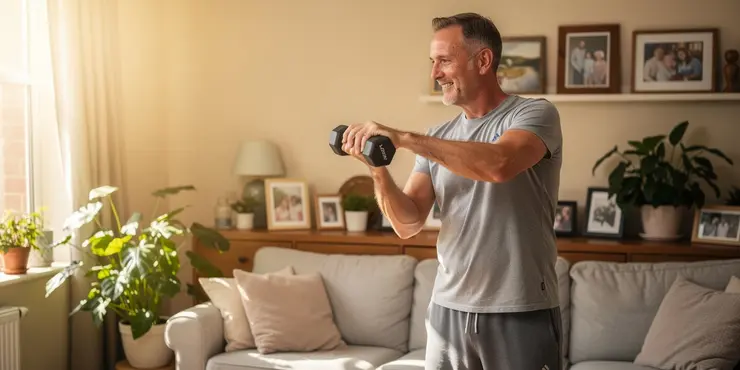
Regular physical activity is another critical component of a lifestyle approach to complement prostate cancer treatment. Exercise helps manage weight, reduces fatigue, and can enhance mental well-being. Activities such as walking, cycling, and swimming are excellent choices for maintaining fitness. Studies indicate that men who engage in regular physical activity may experience slower cancer progression and reduced symptoms. The NHS recommends at least 150 minutes of moderate exercise per week.
Stress Management and Mental Health
Managing stress and maintaining mental health is crucial for individuals undergoing cancer treatment. Practices such as mindfulness, meditation, and yoga can provide relaxation and reduce anxiety. Engaging in supportive communities, whether through local support groups or online forums, can also offer emotional relief and shared experiences. Ensuring adequate sleep and practising good sleep hygiene are vital for recovery and mental resilience.
Alcohol and Smoking
Limiting alcohol consumption and quitting smoking are essential lifestyle changes for those with prostate cancer. Alcohol can interfere with medication and contribute to cancer progression, while smoking has been linked to poorer treatment outcomes and increased risk of recurrence. Support services such as NHS SmokeFree offer resources to help individuals quit smoking and reduce alcohol intake.
Conclusion
While lifestyle changes should not replace medical treatment for prostate cancer, they can serve as valuable complementary measures. Incorporating healthy dietary habits, regular exercise, stress management techniques, and avoiding harmful substances can collectively support the effectiveness of traditional treatments. Men in the UK are encouraged to discuss any lifestyle changes with their healthcare provider to ensure they are appropriate for their individual health needs and treatment plan.
Lifestyle Changes and Prostate Cancer Treatment
Prostate cancer affects many men in the UK. There are different treatments for this cancer, such as surgery and medicines. Making changes in your lifestyle can also help. Healthy choices can make treatments work better and help you feel better overall.
The Role of Diet
What you eat can change how cancer grows. Eating fruits, vegetables, whole grains, and lean meats is good. Foods like tomatoes, berries, and leafy greens are full of antioxidants and help fight cancer. Fish like salmon have healthy fats that are good for you. It is best to eat less red and processed meat as they can raise the risk of cancer.
Exercise and Physical Activity
Being active is important for men with prostate cancer. Exercise helps keep your weight in check and gives you more energy. Activities like walking, cycling, and swimming are great for staying fit. Regular exercise can slow down cancer and make you feel better. Try to do 150 minutes of exercise each week, like the NHS says.
Stress Management and Mental Health
It is important to manage stress when you have cancer. Relaxing exercises like mindfulness, meditation, and yoga can help you feel calm. Joining support groups, in person or online, can help you share feelings and experiences. Getting enough sleep is also important for feeling strong and healthy.
Alcohol and Smoking
Drinking less alcohol and stopping smoking are important for people with prostate cancer. Alcohol can make medicines not work well and can make cancer worse. Smoking makes treatment less effective and can cause cancer to come back. Help is available from places like NHS SmokeFree to quit smoking and drink less alcohol.
Conclusion
Lifestyle changes should not replace cancer treatments, but they can help. Eating well, exercising, managing stress, and avoiding harmful habits can support treatments. Men should talk to their doctors before making any lifestyle changes to make sure they are safe and helpful.
Frequently Asked Questions
Lifestyle changes such as a healthy diet, regular exercise, stress management, and quitting smoking can improve overall health and potentially enhance the effectiveness of prostate cancer treatments.
Adopting a diet rich in fruits, vegetables, whole grains, and lean proteins while reducing red and processed meats, can support overall health during prostate cancer treatment.
Regular physical activity can help reduce treatment side effects, improve mood, and enhance overall quality of life, potentially aiding treatment efficacy.
Maintaining a healthy weight can help reduce the risk of cancer recurrence and improve treatment outcomes for prostate cancer patients.
Reducing stress can improve immune function, decrease inflammation, and enhance the body's ability to fight cancer, supporting treatment effectiveness.
Quitting smoking can improve recovery, reduce treatment complications, and enhance overall health, potentially improving treatment outcomes for prostate cancer patients.
Limiting alcohol intake can improve overall health and may reduce the risk of treatment side effects and cancer recurrence.
Staying hydrated can help manage treatment side effects, support kidney function, and maintain overall health during prostate cancer treatment.
Adequate sleep is crucial for immune function and overall well-being, which can support the effectiveness of prostate cancer treatments.
Complementary therapies such as acupuncture, yoga, and meditation can help manage symptoms and side effects, and improve quality of life during prostate cancer treatment.
Working with a nutritionist can help tailor a diet that supports treatment, reduces side effects, and maintains overall health.
Patients should consult their healthcare provider before using supplements, as some may interfere with treatment or have adverse effects.
Having a strong support network can enhance emotional well-being, reduce stress, and provide practical support, which can positively impact treatment outcomes.
Maintaining good mental health can improve resilience, treatment adherence, and overall quality of life, positively influencing treatment outcomes.
Patients should consult their healthcare team to tailor an exercise regimen that is safe and appropriate for their stage of treatment and physical condition.
A diet high in fiber can improve digestive health, which can be beneficial in managing side effects and supporting overall wellness during treatment.
Limiting sugar can help maintain a healthy weight and reduce inflammation, potentially supporting better treatment outcomes.
Avoiding exposure to toxins and pollutants, maintaining a safe living environment, and reducing stressors can support overall health during treatment.
Mindfulness meditation can reduce stress, improve mood, and enhance quality of life, which can complement prostate cancer treatment.
Omega-3s have anti-inflammatory properties and may support heart health, which can be beneficial for overall health during prostate cancer treatment.
Changing how you live can help you feel better. Eating healthy food, moving your body with exercise, staying calm, and not smoking can make your body stronger. This can also help prostate cancer treatments work better.
Eating healthy foods can help you feel better if you have prostate cancer. Try to eat lots of fruits and veggies. Whole grains like brown bread or rice are good too. Choose meats like chicken or fish instead of red meat like beef. Try not to eat too much bacon or sausage. This can help keep you strong and healthy.
Doing exercise can help you feel better during treatment. It can make you happier and make your life better. It might also help the treatment work better.
Keeping a healthy weight can help lower the chance of cancer coming back. It can also make treatment work better for people with prostate cancer.
When we feel less worried, our bodies can stay healthier. This helps us fight off sickness and helps cancer treatments work better.
Stopping smoking can help your body get better. It can make your treatment easier and make you healthier. This can help people with prostate cancer get better results from their treatment.
Drinking less alcohol can make you healthier. It might also help stop cancer from coming back and might make you feel better during treatment.
Drinking enough water is very important. It can help with feeling better during treatment, keep your kidneys healthy, and help you stay strong when you have prostate cancer.
Getting enough sleep is very important. It helps your body fight germs and stay healthy. This can also make prostate cancer treatments work better.
There are some special activities that can help when someone is receiving treatment for prostate cancer. These activities are acupuncture, yoga, and meditation. They can help make symptoms and side effects feel better. They can also make people feel happier and healthier.
Seeing a food expert can help you eat the right foods. This will help you get better, feel less sick, and stay healthy.
Talk to your doctor before taking any vitamins or pills. Some can mess up your medicine or make you feel sick.
Having people to help you can make you feel better. It can make stress go away. They can also help with things you need. This is good if you are trying to get better.
Looking after your mind is very important. It can help you feel stronger and improve how well you follow your treatment. This can make your life better and help you get better results from your treatment.
People should talk to their doctor or nurse. They can help make an exercise plan that is safe and right for you. This plan will match how healthy you are and the treatment you’re having.
Eating lots of foods with fiber can help your tummy feel better. This is good when you are having treatment. It can help with side effects and make you feel healthier.
Eating less sugar can help you stay at a healthy weight. It can also help your body feel better by reducing swelling. This can make you feel better and help with treatments.
You can use things like pictures or simple charts to remind you to eat less sugar. Try to eat more fruits and vegetables instead of sugary snacks.
Stay away from bad chemicals and dirty air. Keep your home safe and clean. Try to stay calm and not get too stressed. This can help you stay healthy.
Mindfulness meditation can help you feel less stressed. It can make you happier and help you enjoy life more. This is very helpful when you are getting treatment for prostate cancer.
Omega-3s can help reduce swelling in the body. They are good for your heart and can help you stay healthy during prostate cancer treatment.

Ergsy Search Results
This website offers general information and is not a substitute for professional advice.
Always seek guidance from qualified professionals.
If you have any medical concerns or need urgent help, contact a healthcare professional or emergency services immediately.
Some of this content was generated with AI assistance. We've done our best to keep it accurate, helpful, and human-friendly.
- Ergsy carefully checks the information in the videos we provide here.
- Videos shown by Youtube after a video has completed, have NOT been reviewed by ERGSY.
- To view, click the arrow in centre of video.
- Most of the videos you find here will have subtitles and/or closed captions available.
- You may need to turn these on, and choose your preferred language.
- Go to the video you'd like to watch.
- If closed captions (CC) are available, settings will be visible on the bottom right of the video player.
- To turn on Captions, click settings.
- To turn off Captions, click settings again.