
Get Answers
Understanding Type 2 Diabetes and Diet
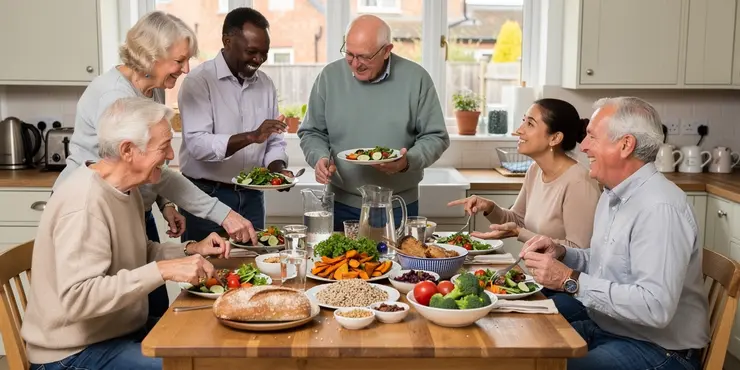
Managing Type 2 Diabetes effectively often involves making conscious dietary choices. A balanced diet not only helps in maintaining blood sugar levels but also aids in managing weight and reducing the risk of related health issues. It's crucial to consult with a healthcare professional for a personalized plan, but here's a general guide on what you can include in your diet.
Fruits and Vegetables
Fruits and vegetables should be a significant part of your diet. These foods are rich in vitamins, minerals, and fiber, which are beneficial for overall health. Opt for non-starchy vegetables like spinach, kale, broccoli, and peppers. While fruits are healthy, it's important to choose those with lower sugar content such as berries, apples, and pears, and consume them in moderation.
Whole Grains
Whole grains are a good source of nutrients and fiber, which can aid in slowing down glucose absorption in the blood. Choose whole grain options like brown rice, whole wheat pasta, quinoa, and oats. Avoid refined grains as they can cause spikes in blood sugar levels.
Lean Protein
Incorporate lean protein sources such as chicken, turkey, tofu, and legumes into your meals. These will help keep you full without affecting blood sugar levels significantly. Oily fish such as salmon, sardines, and mackerel are also excellent choices as they contain healthy omega-3 fatty acids.
Dairy and Alternatives
Dairy products can be consumed in moderation and low-fat options are preferable. Milk, yogurt, and cheese provide calcium and protein. If you are lactose intolerant or prefer non-dairy options, consider fortified plant-based alternatives like almond milk or soy yogurt.
Nuts and Seeds
Nuts and seeds are great sources of healthy fats, protein, and fiber which can help control hunger and manage blood sugar levels. Almonds, walnuts, chia seeds, and flaxseeds are nutritious options. However, be mindful of portion sizes as they are calorie-dense.
Foods to Limit
While focusing on what you can eat, it's equally important to limit foods that can negatively affect blood sugar levels. These include sugary snacks, beverages, and heavily processed foods. Also, be cautious with alcohol and opt for meals with reduced salt content to maintain blood pressure at healthy levels.
Conclusion
Eating a balanced diet is vital in managing Type 2 Diabetes. The key is to make sustainable dietary choices that keep your blood sugar levels stable. Alongside regular physical activity, a healthful diet can significantly improve your quality of life. Always seek advice from healthcare providers for a tailored eating plan.
Understanding Type 2 Diabetes and Diet
If you have Type 2 Diabetes, choosing the right foods is important. Eating well helps keep your blood sugar steady. It also helps you stay healthy and manage your weight. Always talk to a doctor to make a plan just for you. Here is a simple guide on what to eat.
Fruits and Vegetables
Eat lots of fruits and vegetables. They have vitamins, minerals, and fiber which are good for you. Choose vegetables like spinach, kale, broccoli, and peppers. These are non-starchy and good for you. Eat fruits like berries, apples, and pears. They have less sugar. Enjoy them, but do not eat too much.
Whole Grains
Whole grains give you nutrients and fiber. They help control your blood sugar. Pick whole grains like brown rice, whole wheat pasta, quinoa, and oats. Try to stay away from white bread and white rice. These can make your blood sugar go up quickly.
Lean Protein
Add lean meats like chicken and turkey to your meals. You can also eat tofu and beans. These foods help you feel full and do not raise blood sugar a lot. Fish like salmon, sardines, and mackerel are also good because they have healthy fats.
Dairy and Alternatives
You can have dairy like milk, yogurt, and cheese. Choose low-fat options. These give you calcium and protein. If you do not have dairy, try almond milk or soy yogurt. Some are made to be just as good for you as dairy.
Nuts and Seeds
Nuts and seeds have healthy fats, protein, and fiber. They help you control hunger. Eat almonds, walnuts, chia seeds, and flaxseeds. But be careful not to eat too many because they have a lot of calories.
Foods to Limit
Some foods can make your blood sugar go up too high. Eat less sugary snacks, sugary drinks, and processed foods. Be careful with alcohol. Choose foods with less salt to keep your blood pressure healthy.
Conclusion
Eating the right foods helps manage Type 2 Diabetes. Pick foods that keep blood sugar steady. Exercise and eating well make you feel better. Always ask doctors for advice to find the best foods for you.
Frequently Asked Questions
Yes, you can eat carbohydrates, but choose complex carbohydrates such as whole grains, legumes, and vegetables, and keep portion sizes in mind.
Yes, fruits can be part of your diet, but go for whole, fresh fruits rather than fruit juices or dried fruits, and watch the portion sizes.
You do not need to avoid sugar completely, but limit foods with added sugars and opt for natural sources of sugar, like fruit, in moderation.
Yes, you can have snacks, but choose healthy options like nuts, seeds, yogurt, or vegetables with hummus.
Lean proteins like chicken, fish, beans, and legumes are good choices. Try to limit red meat and processed meats.
Yes, but opt for low-fat or non-fat options and watch portion sizes.
Yes, focus on healthy fats like those found in olive oil, avocados, nuts, and fish, while limiting saturated and trans fats.
Alcohol can be consumed in moderation, but it's important to be aware of the effect on your blood sugar and not to drink on an empty stomach.
You don't have to avoid bread, but choose whole grain or whole wheat options and be mindful of portion sizes.
Non-starchy vegetables like broccoli, spinach, peppers, and green beans are excellent choices.
Yes, choose whole grain or whole wheat pasta and control portion sizes to manage carbohydrate intake.
Brown rice is a better option than white rice due to its higher fiber content, but portion control is key.
Non-nutritive sweeteners like stevia, aspartame, and sucralose can be alternatives to sugar.
It's best to limit fast food, but if necessary, choose salads, grilled options, and control portion sizes.
A balanced breakfast could include whole grain toast with peanut butter, a boiled egg, and some fresh fruit.
Smoothies can be a good choice if made with fresh or frozen fruits, vegetables, and unsweetened yogurt or milk, without added sugars.
Yes, you can enjoy desserts occasionally. Opt for smaller portions and try healthier options like fruit-based desserts.
Regular meals and snacks throughout the day can help maintain stable blood sugar levels. Consult with a healthcare provider for personalized advice.
You can eat potatoes, but focus on portion control and consider healthier preparation methods such as baking or boiling.
Yes, legumes like beans and lentils are a good source of protein and fiber and can be part of a healthy diabetes diet.
Yes, you can eat carbs! Choose complex carbs like whole grains, beans, and veggies. Be careful about how much you eat.
Helpful Tip: Use a small plate to help with portion sizes.
Yes, you can eat fruits. It is better to eat fresh fruits instead of fruit juice or dried fruits. Try to eat just a little bit each time.
You don’t have to stop eating sugar, but try to eat less food with extra sugar. It's better to have foods with sugar that come naturally, like fruit. Make sure to eat them in small amounts.
Yes, you can have snacks. Pick healthy snacks like nuts, seeds, yogurt, or veggies with hummus.
Lean proteins are good for you. These include chicken, fish, beans, and other legumes. It's a good idea to eat less red meat and not eat too many processed meats.
Yes, you can. Choose low-fat or no-fat kinds and eat small amounts.
Yes, eat healthy fats. These are in foods like olive oil, avocados, nuts, and fish. Try not to eat too much of other fats called saturated and trans fats.
You can drink alcohol, but don't have too much. It's good to know how it affects your blood sugar. Always eat something before you drink.
You can eat bread, but it's better to pick whole grain or whole wheat bread. Also, remember to eat just the right amount, not too much or too little.
Eating vegetables like broccoli, spinach, peppers, and green beans is very good for you.
These vegetables do not have a lot of starch, which is a kind of carbohydrate.
If you find it hard to read, you can get help from a teacher or use tools that read out loud to you.
Yes, pick pasta made from whole grains or whole wheat. Eat small amounts to keep the carbs low.
Brown rice is better for you than white rice because it has more fiber. Fiber is good for your tummy. But make sure you eat the right amount. Don't eat too much.
Sweeteners like stevia, aspartame, and sucralose are used instead of sugar.
Fast food is not very healthy, so try to eat it less. But if you do eat fast food, pick salad or grilled chicken instead of fried food. Also, try to eat small amounts.
A good breakfast could be toast with peanut butter, a boiled egg, and some fruit.
Drinks called smoothies can be healthy if you use fresh or frozen fruits and veggies. Add plain yogurt or milk, but no sugar.
Yes, you can have sweets sometimes. Choose smaller amounts and try healthier desserts like ones with fruit.
Eat regular meals and snacks during the day to help keep your blood sugar steady. Talk to a doctor for advice just for you.
You can eat potatoes. Try to eat smaller amounts, and cook them in healthy ways like baking or boiling.
Yes, legumes like beans and lentils are good for you. They have protein and fiber. They can be part of a healthy diet for people with diabetes.

Ergsy Search Results
This website offers general information and is not a substitute for professional advice.
Always seek guidance from qualified professionals.
If you have any medical concerns or need urgent help, contact a healthcare professional or emergency services immediately.
Some of this content was generated with AI assistance. We've done our best to keep it accurate, helpful, and human-friendly.
- Ergsy carefully checks the information in the videos we provide here.
- Videos shown by Youtube after a video has completed, have NOT been reviewed by ERGSY.
- To view, click the arrow in centre of video.
- Most of the videos you find here will have subtitles and/or closed captions available.
- You may need to turn these on, and choose your preferred language.
- Go to the video you'd like to watch.
- If closed captions (CC) are available, settings will be visible on the bottom right of the video player.
- To turn on Captions, click settings.
- To turn off Captions, click settings again.