
Find Help
More Items From Ergsy search
-
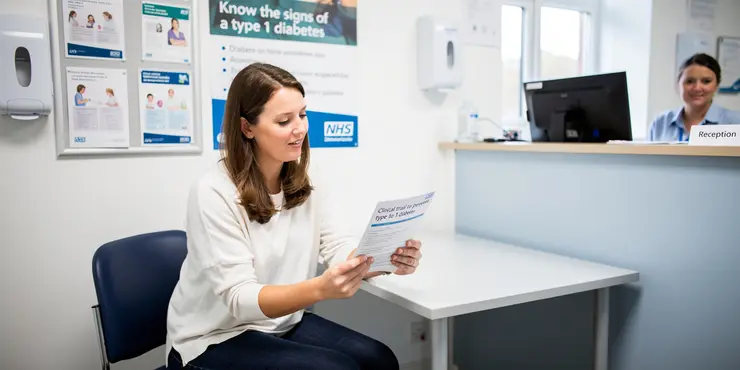
Are there any clinical trials for preventing type 1 diabetes?
Relevance: 100%
-
Are there clinical trials available for prostate cancer treatment?
Relevance: 58%
-
Are there any clinical trials supporting Ozempic for weight loss?
Relevance: 58%
-
Is Paillon treatment used in any clinical trials?
Relevance: 53%
-
Can Type 2 Diabetes be prevented?
Relevance: 52%
-
Should I screen my child for type 1 diabetes?
Relevance: 51%
-
Do fake weight loss drugs often skip clinical trials?
Relevance: 48%
-
NHS Diabetes Prevention Programme; Preventing Type 2 and improving outcomes for people with diabetes
Relevance: 46%
-
Can Type 2 Diabetes go away?
Relevance: 44%
-
What does screening for type 1 diabetes involve?
Relevance: 43%
-
Is Type 2 Diabetes hereditary?
Relevance: 43%
-
What is type 1 diabetes?
Relevance: 43%
-
At what age should my child be screened for type 1 diabetes?
Relevance: 42%
-
What Is Type 2 Diabetes? | 2 Minute Guide | Diabetes UK
Relevance: 42%
-
What is type 1 diabetes?
Relevance: 41%
-
What is the difference between type 1 and type 2 diabetes?
Relevance: 41%
-
Is there a genetic predisposition to type 1 diabetes?
Relevance: 41%
-
Type 1 Diabetes supporting adults to manage Type 1 diabetes
Relevance: 41%
-
Where can I have my child screened for type 1 diabetes?
Relevance: 40%
-
Is Wegovy used for type 2 diabetes management?
Relevance: 40%
-
Can Mounjaro be used in type 1 diabetes?
Relevance: 40%
-
Is Teplizumab used to treat diabetes?
Relevance: 39%
-
What are the limitations of type 1 diabetes screening?
Relevance: 39%
-
What causes Type 2 Diabetes?
Relevance: 39%
-
How accurate are the tests for predicting type 1 diabetes?
Relevance: 39%
-
Why should I consider screening my child for type 1 diabetes?
Relevance: 39%
-
The NHS Diabetes Prevention Programme story
Relevance: 39%
-
What are the symptoms of Type 2 Diabetes?
Relevance: 38%
-
How is Type 2 Diabetes diagnosed?
Relevance: 38%
-
How to manage type 2 diabetes
Relevance: 38%
-
Should siblings of a child with type 1 diabetes also be screened?
Relevance: 38%
-
What complications are associated with Type 2 Diabetes?
Relevance: 38%
-
Derbyshire Diabetic Eye Screening - Assessment Clinic Appointment
Relevance: 38%
-
Is Ozempic suitable for type 1 diabetes?
Relevance: 38%
-
Hansa's story - The NHS Diabetes Prevention Programme
Relevance: 37%
-
How is Type 2 Diabetes treated?
Relevance: 37%
-
What are the benefits of early detection of type 1 diabetes?
Relevance: 37%
-
Diabetes Care - Preventing Amputations
Relevance: 37%
-
Can environmental factors contribute to type 1 diabetes?
Relevance: 37%
-
Pam’s story - The NHS Diabetes Prevention Programme
Relevance: 37%
Understanding Type 1 Diabetes
Type 1 diabetes is an autoimmune condition where the body's immune system attacks insulin-producing cells in the pancreas.
This leads to a lack of insulin, which is crucial for regulating blood sugar levels.
It commonly develops in childhood or adolescence, but it can appear at any age.
Research and Clinical Trials
Ongoing research aims to find methods to prevent or delay type 1 diabetes. Clinical trials play a significant role in these efforts.
In the UK, various trials are exploring different interventions such as vaccines and immunotherapies.
The focus is to halt the autoimmune process that destroys insulin-producing cells.
Preventing Type 1 Diabetes
Several clinical trials are investigating ways to prevent the onset of type 1 diabetes in people at high risk.
These trials often involve family members of existing type 1 diabetics, as they are considered at increased risk.
Some trials use medication or biological treatments to modify the immune response.
Participating in Clinical Trials
To participate in a clinical trial, individuals usually have to meet specific eligibility criteria.
These criteria are in place to ensure the safety and relevance of the study for its participants.
Information about active trials in the UK can be found on the NHS website or through diabetes research organizations.
Importance of Trials
Clinical trials are essential for developing preventive strategies and improving patient care.
They not only help in finding potential preventive treatments but also enhance understanding of the disease itself.
Participating in trials might offer early access to new therapies and contribute to scientific research.
Conclusion
While there is no cure for type 1 diabetes, clinical trials are ongoing to find preventive measures.
These studies are crucial in potentially altering the course of the disease for future generations.
In the UK, individuals at high risk can explore opportunities to participate in such trials.
Frequently Asked Questions
What are clinical trials?
Clinical trials are research studies performed in people that are aimed at evaluating a medical, surgical, or behavioral intervention.
Are there any clinical trials focused on preventing type 1 diabetes?
Yes, there are clinical trials focused on preventing type 1 diabetes by researching interventions that may stop or delay the development of the disease.
How can I find clinical trials for preventing type 1 diabetes?
You can find clinical trials through resources such as ClinicalTrials.gov, diabetes research foundations, or by consulting with healthcare professionals.
Who is eligible to participate in type 1 diabetes prevention clinical trials?
Eligibility varies by study but generally includes people who are at high risk for developing type 1 diabetes, such as those with a family history of the disease.
What is TrialNet?
TrialNet is an international network of researchers dedicated to the study of type 1 diabetes with a focus on prevention and early interventions.
What are the phases of clinical trials?
Clinical trials are conducted in phases that include Phase 1, Phase 2, Phase 3, and sometimes Phase 4, each designed to answer specific research questions.
Can children participate in clinical trials for type 1 diabetes prevention?
Yes, many prevention trials include children, especially those with a family history of type 1 diabetes, as they may be at higher risk.
What are the possible interventions tested in these trials?
Interventions in trials may include drugs, vaccines, dietary supplements, lifestyle changes, or a combination of these.
Are there any risks associated with participating in clinical trials?
There may be risks, including side effects from interventions, which will be explained to participants as part of informed consent.
Is participation in a type 1 diabetes prevention trial compensated?
Compensation varies by study and sponsoring organization. Participants may receive reimbursement for travel or other expenses.
How long do clinical trials for type 1 diabetes prevention typically last?
The duration of clinical trials can vary widely, from several months to multiple years, depending on the study.
What is the STOP-T1D trial?
The STOP-T1D trial is a research study investigating whether certain medications can prevent or delay the onset of type 1 diabetes in at-risk populations.
What role do biomarkers play in type 1 diabetes prevention trials?
Biomarkers are used to identify individuals at high risk of developing type 1 diabetes and to monitor the effects of interventions in trials.
Can lifestyle changes prevent type 1 diabetes?
While lifestyle changes are crucial for managing diabetes, current research is investigating if they can also play a role in prevention.
What should I consider before enrolling in a type 1 diabetes prevention clinical trial?
Consider the potential benefits and risks, time commitment, and the specific requirements and goals of the study.
Are clinical trial results publicly available?
Yes, results from clinical trials are often published in scientific journals and are sometimes summarized publicly to inform the wider community.
How is type 1 diabetes genetic risk assessed in trials?
Genetic risk is often assessed through family history and testing for specific genes and autoantibodies associated with type 1 diabetes.
Can I withdraw from a clinical trial after enrolling?
Yes, participants can withdraw from a study at any time without penalty or loss of benefits.
What informed consent is required for type 1 diabetes prevention trials?
Informed consent involves providing potential participants with all relevant information about the trial's purpose, procedures, risks, and benefits before they agree to participate.
What is Teplizumab and its role in type 1 diabetes prevention?
Teplizumab is a monoclonal antibody that has been studied for its potential to delay or prevent the onset of type 1 diabetes in high-risk individuals.

Useful Links
This website offers general information and is not a substitute for professional advice.
Always seek guidance from qualified professionals.
If you have any medical concerns or need urgent help, contact a healthcare professional or emergency services immediately.
- Ergsy carfully checks the information in the videos we provide here.
- Videos shown by Youtube after a video has completed, have NOT been reviewed by ERGSY.
- To view, click the arrow in centre of video.
- Most of the videos you find here will have subtitles and/or closed captions available.
- You may need to turn these on, and choose your preferred language.
- Go to the video you'd like to watch.
- If closed captions (CC) are available, settings will be visible on the bottom right of the video player.
- To turn on Captions, click settings .
- To turn off Captions, click settings again.
More Items From Ergsy search
-
Are there any clinical trials for preventing type 1 diabetes?
Relevance: 100%
-
Are there clinical trials available for prostate cancer treatment?
Relevance: 58%
-
Are there any clinical trials supporting Ozempic for weight loss?
Relevance: 58%
-
Is Paillon treatment used in any clinical trials?
Relevance: 53%
-
Can Type 2 Diabetes be prevented?
Relevance: 52%
-
Should I screen my child for type 1 diabetes?
Relevance: 51%
-
Do fake weight loss drugs often skip clinical trials?
Relevance: 48%
-
NHS Diabetes Prevention Programme; Preventing Type 2 and improving outcomes for people with diabetes
Relevance: 46%
-
Can Type 2 Diabetes go away?
Relevance: 44%
-
What does screening for type 1 diabetes involve?
Relevance: 43%
-
Is Type 2 Diabetes hereditary?
Relevance: 43%
-
What is type 1 diabetes?
Relevance: 43%
-
At what age should my child be screened for type 1 diabetes?
Relevance: 42%
-
What Is Type 2 Diabetes? | 2 Minute Guide | Diabetes UK
Relevance: 42%
-
What is type 1 diabetes?
Relevance: 41%
-
What is the difference between type 1 and type 2 diabetes?
Relevance: 41%
-
Is there a genetic predisposition to type 1 diabetes?
Relevance: 41%
-
Type 1 Diabetes supporting adults to manage Type 1 diabetes
Relevance: 41%
-
Where can I have my child screened for type 1 diabetes?
Relevance: 40%
-
Is Wegovy used for type 2 diabetes management?
Relevance: 40%
-
Can Mounjaro be used in type 1 diabetes?
Relevance: 40%
-
Is Teplizumab used to treat diabetes?
Relevance: 39%
-
What are the limitations of type 1 diabetes screening?
Relevance: 39%
-
What causes Type 2 Diabetes?
Relevance: 39%
-
How accurate are the tests for predicting type 1 diabetes?
Relevance: 39%
-
Why should I consider screening my child for type 1 diabetes?
Relevance: 39%
-
The NHS Diabetes Prevention Programme story
Relevance: 39%
-
What are the symptoms of Type 2 Diabetes?
Relevance: 38%
-
How is Type 2 Diabetes diagnosed?
Relevance: 38%
-
How to manage type 2 diabetes
Relevance: 38%
-
Should siblings of a child with type 1 diabetes also be screened?
Relevance: 38%
-
What complications are associated with Type 2 Diabetes?
Relevance: 38%
-
Derbyshire Diabetic Eye Screening - Assessment Clinic Appointment
Relevance: 38%
-
Is Ozempic suitable for type 1 diabetes?
Relevance: 38%
-
Hansa's story - The NHS Diabetes Prevention Programme
Relevance: 37%
-
How is Type 2 Diabetes treated?
Relevance: 37%
-
What are the benefits of early detection of type 1 diabetes?
Relevance: 37%
-
Diabetes Care - Preventing Amputations
Relevance: 37%
-
Can environmental factors contribute to type 1 diabetes?
Relevance: 37%
-
Pam’s story - The NHS Diabetes Prevention Programme
Relevance: 37%


