
Get Answers
Understanding the Role of Live-in Caregivers
Live-in caregivers play a crucial role in providing round-the-clock assistance to those who need extra care, such as the elderly, disabled, or chronically ill individuals. Being onsite 24/7 means they are often the first to respond to any emergencies, which requires a calm demeanor, presence of mind, and appropriate training. Their ability to effectively handle emergencies is pivotal to the well-being and safety of those in their care.
Training and Preparation for Emergencies
Live-in caregivers in the UK typically undergo comprehensive training that includes first aid, CPR (cardiopulmonary resuscitation), and emergency response procedures. This training is crucial as it equips caregivers with the knowledge and skills to manage various emergency situations, ranging from medical crises to hazards like fires or falls. Preparedness is key, and caregivers must regularly update their first aid skills and remain familiar with emergency procedures specific to their client's needs and residence.
Immediate Response Actions
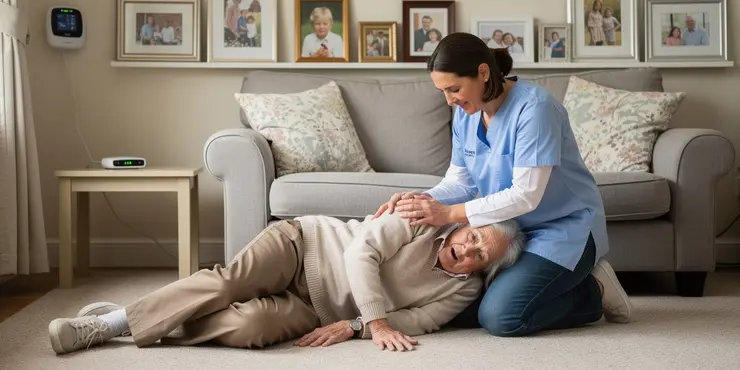
In the event of an emergency, such as a fall or sudden illness, a live-in caregiver's immediate response is critical. The caregiver must quickly assess the situation to determine the severity of the issue. For medical emergencies, they will often follow a set procedure: checking the victim's responsiveness and vital signs, providing immediate first aid if required, and contacting emergency services by dialing 999, the UK’s emergency number. They may also need to provide details to the emergency dispatcher while ensuring the comfort and safety of the person in their care until professional help arrives.
Communication with Medical and Emergency Services
Effective communication is essential during emergencies. Caregivers should be prepared to provide concise and clear information to medical and emergency personnel. This includes explaining the nature of the emergency, the current condition of the person in care, and any known medical history or medications the person is taking. Having a current and accessible list of medications and medical history is crucial for ensuring swift and accurate care from emergency services.
Prevention and Risk Management
Handling emergencies also involves proactive prevention and risk management. Live-in caregivers work to identify potential hazards within the household that could lead to emergencies, such as loose rugs or poorly lit areas which could cause falls. Regular communication with family members and healthcare providers helps in adjusting care plans to mitigate risks. Caregivers often play an active role in updating safety measures and ensuring that emergency contacts and plans are readily accessible and understood by all involved parties.
Emotional Support and Reassurance
Beyond the physical response to emergencies, live-in caregivers are also responsible for providing emotional reassurance and support to both the person they care for and their family members. This support is vital in helping to alleviate anxiety during and after emergencies. By maintaining a calm and supportive presence, caregivers can help manage fear and stress, ensuring that the person in their care feels secure and valued even amidst an emergency.
What Live-in Caregivers Do
Live-in caregivers help people who need a lot of support, like older people or those who are sick. They live with the person they care for and are ready to help at any time of the day or night. If there is an emergency, caregivers act quickly to keep everyone safe. They stay calm and know what to do because they have training.
Training for Emergencies
Caregivers in the UK learn important skills to help people in emergencies. They learn first aid and CPR, which helps when someone is hurt or sick. Knowing what to do if there is a fire or if someone falls is very important. Caregivers keep learning and practicing so they are always ready to help.
What Caregivers Do in an Emergency
If there is an emergency, like someone falls or gets sick, caregivers act fast. They check what is happening and decide what to do next. For medical emergencies, they will make sure the person is okay and call 999 for help. Caregivers explain what is going on to the emergency helpers and stay with the person until more help arrives, keeping them safe and calm.
Talking to Doctors and Helpers
Caregivers need to talk clearly and give important information to doctors and emergency teams. They say what the emergency is, how the person is feeling, and if the person takes any medicine. It is important to have a list of medicines ready, so caregivers can show it to the helpers.
Stopping Problems Before They Start
Caregivers also try to stop emergencies before they happen. They look for things in the home that might cause falls, like loose rugs or dark spaces. They talk with the family and doctors to change plans if needed. Caregivers make sure everyone knows what to do in an emergency and where to find contact details.
Supporting Feelings
Besides helping physically, caregivers also help with feelings. They comfort the person they care for and their family. This is important to make everyone feel less worried during and after emergencies. By being calm and kind, caregivers help the person feel safe and important.
Frequently Asked Questions
The first step is to stay calm and assess the situation to determine the best course of action.
Caregivers should dial 911 or the local emergency number to contact emergency services immediately.
Provide the address, nature of the emergency, and any relevant medical information about the person being cared for.
Yes, caregivers should have a list of emergency contacts readily available, including family members and healthcare providers.
The caregiver assists by providing first aid if needed, staying with the person, and relaying important information to medical personnel.
Caregivers can prepare by taking first aid and CPR courses, and understanding the specific medical needs of the person they care for.
Yes, understanding the medical history is crucial for effective communication with healthcare providers during emergencies.
The caregiver should evacuate the home immediately, call the fire department, and ensure the safety of the person they care for.
Remaining calm can be aided by regular training, having a clear emergency plan, and focusing on the steps needed to address the situation.
Yes, having a written emergency plan can provide clarity and direction during high-stress situations.
Check for injuries, provide first aid, call for medical help if needed, and keep the person comfortable until help arrives.
Keep a first aid kit, a list of medications, emergency contacts, and any necessary medical equipment readily available.
Review and update the emergency plan regularly or when any significant changes in the health condition occur.
Perform the Heimlich maneuver and call emergency services if the obstruction is not quickly relieved.
Emergency alert systems, health monitoring devices, and mobile apps can help caregivers quickly respond to emergencies.
Yes, sharing the emergency plan ensures everyone is informed and can assist if needed.
Move dangerous objects away, place the person on their side, time the seizure, and seek medical help if it lasts too long or is the first occurrence.
Yes, having a backup contact ensures there's always someone available to handle an emergency if the primary caregiver is unavailable.
Reflect on the experience, review the emergency plan, and make any necessary adjustments or improvements.
Caregivers can benefit from talking about the experience, seeking support from others, and engaging in stress-relief activities.
First, take a deep breath and try to stay calm. Look at what is happening so you can decide what to do next.
If someone needs help fast, call 911 or your local emergency number right away.
Tell them the address of where you are, what is wrong or what the emergency is, and any important medical facts about the person who needs help.
Yes, carers should have a list of important phone numbers easy to get to. This list should have family members and doctors.
The caregiver helps by giving first aid if needed. They stay with the person and tell important things to the doctors.
People who look after others can get ready by taking classes on first aid and CPR. It is also important to know what special medical help the person they care for needs.
Yes, it is very important to know your health history so doctors and nurses can help you better in an emergency.
If there is a fire, the helper needs to quickly leave the house with the person they help. They should then call the fire department right away. It is important to make sure the person they care for is safe.
Staying calm is easier if you practice it often. Have a simple plan for emergencies. Think about what you need to do step by step.
Yes, having a written plan for emergencies can help you know what to do when things get stressful.
Here are some ways to make it clearer: Use simple words and short sentences. You can also use pictures or drawings to help explain the plan.
If you have trouble understanding, you can ask someone to go through the plan with you.
Look for any injuries. Help with basic first aid. Call for a doctor or ambulance if needed. Keep the person comfy until help comes.
Have a first aid kit ready. It should have band-aids, cream, and other helpful things.
Make a list of your medicines. Write down what you take and when to take it.
Write down important phone numbers. These might be family, friends, or your doctor.
Keep any special medical tools nearby. This means things like hearing aids or inhalers.
It might help to use a phone app to remember things. An app can remind you to take your medicine.
Check the emergency plan often. Change it when someone's health changes a lot.
If someone is choking, try to help them by doing the Heimlich maneuver. Then call for help if they are still choking.
Emergency alert systems, health devices, and phone apps can help caregivers act fast in emergencies.
Yes, sharing the emergency plan is important. This way, everyone knows what to do and can help if needed.
Move things that could hurt them far away. Gently roll the person onto their side. Look at the clock to see how long the seizure lasts. Get a doctor to help if it takes too long or is their first time having one.
Yes, it's good to have a backup person to help. If the main caregiver can't be there in an emergency, the backup can help instead.
Think about what happened. Look at the emergency plan. Make changes if needed to make it better.
People who help others can feel better by talking about what they do. They can also ask for help from friends and do things that make them feel calm and happy.

Ergsy Search Results
This website offers general information and is not a substitute for professional advice.
Always seek guidance from qualified professionals.
If you have any medical concerns or need urgent help, contact a healthcare professional or emergency services immediately.
Some of this content was generated with AI assistance. We've done our best to keep it accurate, helpful, and human-friendly.
- Ergsy carefully checks the information in the videos we provide here.
- Videos shown by Youtube after a video has completed, have NOT been reviewed by ERGSY.
- To view, click the arrow in centre of video.
- Most of the videos you find here will have subtitles and/or closed captions available.
- You may need to turn these on, and choose your preferred language.
- Go to the video you'd like to watch.
- If closed captions (CC) are available, settings will be visible on the bottom right of the video player.
- To turn on Captions, click settings.
- To turn off Captions, click settings again.