
Get Answers
Introduction to a Live-In Caregiver's Role
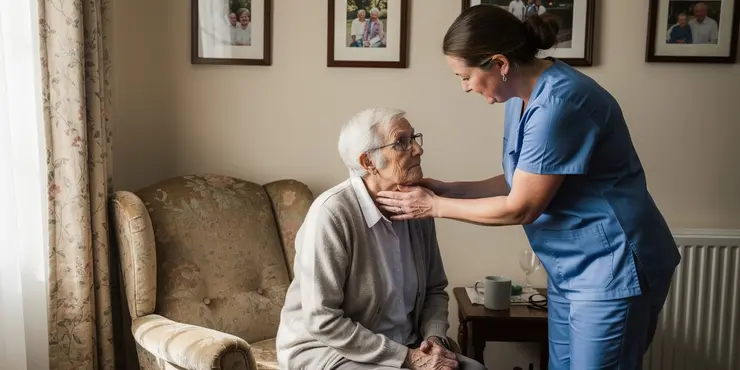
The role of a live-in caregiver is crucial in supporting individuals who require assistance with daily activities due to age, illness, or disability. In the UK, live-in caregivers provide personal care and companionship, allowing care recipients to maintain their independence and quality of life in the comfort of their own homes. This article outlines a typical daily schedule for a live-in caregiver, highlighting the flexibility and varied nature of their responsibilities.
Morning Routine
A live-in caregiver’s day usually begins with assisting their client in getting out of bed. This might involve helping with mobility, providing support during morning hygiene routines such as bathing, tooth brushing, and dressing. Once morning care needs are attended to, the caregiver prepares breakfast, ensuring any dietary requirements are met. This period is also a good opportunity to administer any prescribed medications and to check in with the care recipient about how they’re feeling.
Mid-Morning Activities
After breakfast, caregivers often support their clients with exercises or physical therapy routines, both to maintain physical health and to follow any recommended rehabilitation plans. Depending on the client's capabilities and preferences, this could include simple stretching, walking, or supervised exercises. When physical activities are completed, caregivers frequently engage clients in social or leisure activities such as reading, doing puzzles, or other hobbies, to stimulate mental engagement and provide companionship.
Lunchtime Preparations
As midday approaches, caregivers prepare and serve lunch. They ensure meal plans are adhered to, respecting dietary restrictions or preferences, which is crucial for overall health management. Post-lunchtime, the caregiver tidies up the kitchen and assists if the client needs help with toileting or changing clothes. Afternoon rest or relaxation time is typical, allowing clients to nap or rest while caregivers perform light housekeeping duties or catch up on paperwork related to care management.
Afternoon Engagement
In the afternoons, caregivers might take clients for walks if they are mobile, or accompany them to appointments or social gatherings. For those who stay home, this time could be spent on activities that the client enjoys, such as crafting, gardening, or watching films. Caregivers also use this time for grocery shopping or running errands, often incorporating these into their outings with the client.
Evening Routine
Evening routines typically begin with the preparation of dinner, mindful again of dietary needs. Post-dinner, caregivers assist with evening hygiene routines including washing, changing clothes, and ensuring the client takes any nighttime medications. Before heading to bed, caregivers may spend time with clients, enjoying television or engaging in evening relaxation activities like listening to music or chatting.
Night-Time Duties
Though usually lighter, night duties may include helping clients prepare for bed and ensuring a safe sleeping environment. Caregivers often remain on call throughout the night in case of emergencies or if the resident requires assistance. Having such a presence provides reassurance and ensures that any night-time needs are promptly met.
Introduction to a Live-In Caregiver's Role
A live-in caregiver is someone who helps people who need extra support. This can be because they are older, sick, or have a disability. In the UK, caregivers help with personal care and keep people company. This helps individuals stay independent in their own home. Let's see what a day in the life of a live-in caregiver looks like.
Morning Routine
A caregiver starts their day by helping the person get out of bed. They might help with moving around and morning washing, like bathing and brushing teeth. They also help choose clothes to wear. After that, the caregiver makes breakfast and makes sure it meets any special food needs. They give any needed medicine and check how the person is feeling.
Mid-Morning Activities
After breakfast, caregivers often help with exercises to keep the person healthy. This can be fun and simple, like stretching or walking. After exercise, they might do activities together, like reading or puzzles. This helps keep their minds active and gives them a friend to talk to.
Lunchtime Preparations
Near lunchtime, the caregiver makes lunch, checking it fits any special diets. After eating, they clean up the kitchen. If needed, they help with the bathroom or change clothes. The afternoon is a good time for a nap or rest, while the caregiver may do some light cleaning or handle care-related paperwork.
Afternoon Engagement
In the afternoon, if the person is able, they might go for a walk or attend appointments. They can enjoy activities like crafts, gardening, or watching movies at home. The caregiver might also go shopping or run errands, sometimes taking the person with them.
Evening Routine
In the evening, the caregiver makes dinner while considering any special diet needs. After dinner, they help with night-time routines like washing and changing clothes. They ensure the person takes any medicine needed before bed, and they might watch TV or listen to music together.
Night-Time Duties
At night, the caregiver helps the person get ready for bed and makes sure the bedroom is safe. They are usually on call during the night if the person needs help or if there's an emergency. This helps everyone feel safe and secure.
Frequently Asked Questions
Typically, a live-in caregiver works a schedule that provides assistance throughout the day and night, with designated rest periods. Exact hours can vary based on the needs of the patient.
Yes, live-in caregivers usually have scheduled breaks during the day to rest and take care of personal needs.
A live-in caregiver typically prepares three meals a day, or as required by the client’s dietary needs.
Live-in caregivers often assist with light housekeeping tasks such as cleaning, laundry, and tidying up the living space.
Personal care tasks may include bathing, dressing, grooming, toileting, and mobility assistance.
Yes, live-in caregivers often provide medication reminders to ensure clients take their medication on schedule.
Yes, they can assist with transportation for medical appointments, shopping, and other errands if required.
A live-in caregiver may provide assistance during the night for tasks such as toileting, medication administration, or responding to emergency situations.
Yes, providing companionship is a key duty, which includes engaging in activities, conversation, and providing emotional support.
They assist with walking, transferring from bed to chair, and using mobility aids like walkers or wheelchairs.
Yes, caregivers can help plan meals according to dietary restrictions and nutritional needs.
They should follow emergency protocols, which may include contacting emergency services and informing family members.
Caregivers may be required to maintain records of daily activities, health observations, and medication administration.
Typically, arrangements are made for regular time-off and rest days, sometimes requiring relief caregivers.
They often handle grocery shopping or accompany the client to help with this task.
Yes, caregivers may assist with or encourage participation in physical exercises appropriate for the client’s abilities.
Caregivers typically provide regular updates about the client’s health, activities, and any concerns to the family.
Some caregivers have training or experience in managing specific chronic illnesses and can provide specialized care.
Caregivers are usually provided with their own room or sleeping area in the client’s home.
Caregivers respect the client’s privacy by maintaining confidentiality and providing private personal care whenever possible.
A live-in caregiver is someone who helps a person all day and night. They have times to rest. How many hours they work can change depending on what the person needs.
Yes, caregivers who live with you usually get breaks during the day. This is so they can rest and look after their own needs.
A caregiver who lives with you usually makes three meals each day. If you have special food needs, they can make meals for that too.
Live-in helpers often help with small cleaning jobs. They do things like cleaning the house, washing clothes, and keeping things neat and tidy.
Personal care jobs are things like helping someone take a bath, get dressed, brush their hair, use the toilet, and move around.
Yes, caregivers who live with you help remember to take medicine at the right time.
Yes, they can help you get to the doctor, go shopping, or do other jobs if you need it.
A caregiver who lives with you can help you at night. They can help you go to the toilet, give you medicine, or help if there is an emergency. Tools like visual schedules or simple pictograms can help remind you and the caregiver about the tasks.
Yes, being a friend is an important job. This means doing fun things together, talking, and helping each other feel better.
They help people walk. They also help people move from bed to a chair. They help people use things like walkers and wheelchairs.
Yes, caregivers can help make meal plans. They can think about what foods are needed and any special diets.
If something bad happens, they should do what they are told to do in emergencies. This might mean calling for help and telling their family.
Caregivers might need to write down daily activities, health notes, and when they give medicine.
People who take care of others need breaks. They have days off to rest. Sometimes, other helpers come to help them during their break.
They often help buy food from the store. Sometimes, they go with the person they care for to do this.
Yes, caregivers can help with or cheer on doing exercises that are right for what the person can do.
Caregivers usually tell the family how the client is doing. They talk about the client’s health, what they are doing, and if there are any problems.
Some people who look after others have special training or know-how. They can help take care of people who are sick for a long time.
The person who helps take care of someone, called a caregiver, usually gets their own room or place to sleep in the person's house they are helping.
Caregivers keep your information a secret. They also help you with personal care in private when they can.

Ergsy Search Results
This website offers general information and is not a substitute for professional advice.
Always seek guidance from qualified professionals.
If you have any medical concerns or need urgent help, contact a healthcare professional or emergency services immediately.
Some of this content was generated with AI assistance. We've done our best to keep it accurate, helpful, and human-friendly.
- Ergsy carefully checks the information in the videos we provide here.
- Videos shown by Youtube after a video has completed, have NOT been reviewed by ERGSY.
- To view, click the arrow in centre of video.
- Most of the videos you find here will have subtitles and/or closed captions available.
- You may need to turn these on, and choose your preferred language.
- Go to the video you'd like to watch.
- If closed captions (CC) are available, settings will be visible on the bottom right of the video player.
- To turn on Captions, click settings.
- To turn off Captions, click settings again.