
Get Answers
Introduction
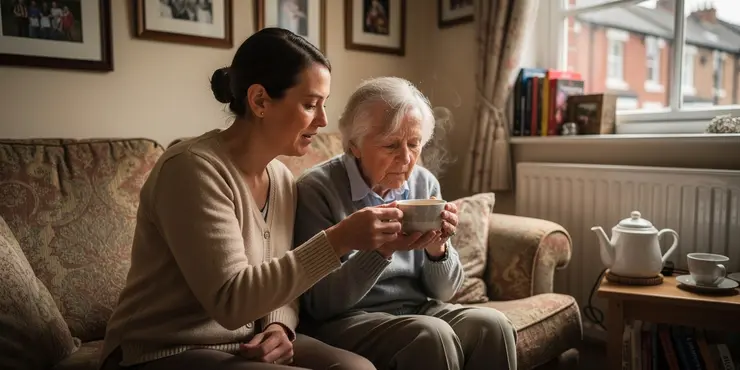
Live-in caregivers play a crucial role in providing continuous support and care for individuals who need assistance due to age, illness, or disability. In the UK, matching live-in caregivers with clients involves a careful process to ensure both parties' needs and preferences are met.
Assessment of Client Needs
The matching process begins with a comprehensive assessment of the client's needs. This involves evaluating the physical, emotional, and medical requirements of the individual seeking care. A care manager or a representative from the caregiving agency typically conducts this assessment, which helps in identifying the type of caregiving skills and personality traits that would best suit the client.
Caregiver Skills and Experience
Live-in caregivers possess a variety of skills ranging from basic household management to specialized medical care. Once the client's needs are assessed, the agency reviews their roster of caregivers. Each caregiver's skills, qualifications, and experience are meticulously considered to find a suitable match. Caregivers must often be trained in areas such as first aid, dementia care, or palliative care, depending on the client's needs.
Personality and Compatibility
Personality and compatibility are critical factors in the matching process. The caregiver and client will be spending significant amounts of time together, so it is important that they get along well. Agencies often use personality assessments and conduct interviews with both parties to gauge compatibility. Factors like hobbies, values, and communication styles are considered to ensure a harmonious living environment.
Involvement of Families
Family members are frequently involved in the matching process. They offer insights into the client's preferences and can voice any specific desires or concerns. Family involvement helps ensure that the caregiver not only meets the practical needs of the client but also fits well within existing family dynamics.
Trial Periods
Many agencies offer trial periods during which the client and caregiver live together for a short time before committing to a long-term arrangement. This allows both parties to evaluate the match and make adjustments if necessary. Feedback during this period is crucial for making any necessary changes, whether in daily routines or compatibility expectations.
Feedback and Monitoring
Ongoing feedback and monitoring are vital to maintain a successful caregiver-client relationship. Agencies often schedule regular check-ins with both caregivers and clients to address any issues that may arise and to ensure that the client's needs continue to be met effectively. Continuous communication helps prevent misunderstandings and allows for adjustments in care as the client's circumstances change.
Conclusion
The process of matching live-in caregivers with clients in the UK involves a detailed and personalized approach, aimed at ensuring a high quality of care and a positive living arrangement for both parties. By carefully assessing needs, reviewing caregiver qualifications, and prioritizing compatibility, agencies strive to create successful and lasting caregiving relationships.
Introduction
Live-in caregivers are important helpers. They take care of people who need help because they are older, unwell, or have a disability. In the UK, it's important to find the right caregiver for each person. This means making sure both the caregiver and the person needing help are happy.
Finding Out What Clients Need
The first step is to learn what the person who needs care wants and needs. A special helper from the caregiving agency asks questions to find out how the person is feeling and what help they need. This helps to find the caregiver with the right skills and personality for them.
Caregiver Skills and Experience
Live-in caregivers can do many things. They help around the house and can also take care of medical needs. After learning about the client's needs, the agency looks at their list of caregivers. They choose someone with the right skills and experience, like first aid or care for dementia. This is to make sure the caregiver is a good match.
Getting Along Well
It is very important that the caregiver and the person they help get along well. They will spend a lot of time together. Agencies use interviews and questions to see if their personalities match. They check things like hobbies and how they like to talk to each other to make sure they live well together.
Family Involvement
Families often help in finding the right caregiver. They know what the person needing care likes and dislikes. Families can share their thoughts and preferences. This helps make sure the caregiver fits well into the family too.
Trial Periods
Some agencies let the caregiver and the person try living together for a short time first. This practice helps them see if they are a good match before making a long-term decision. During this time, they can see if anything needs to change to make things better.
Checking In and Feedback
It's important to keep talking to make sure everything is going well. Agencies plan regular visits or calls to see if the caregiver and client are happy. They can fix any problems and adapt to new needs. This helps keep the care relationship strong and effective.
Conclusion
Finding the right live-in caregiver in the UK is a careful process. Agencies learn about the needs, check caregiver skills, and ensure both the caregiver and the person needing care get along well. They aim to help both the caregiver and the person needing help have a good life together.
Frequently Asked Questions
Factors include the client's specific needs, caregiver's experience, skills, personality compatibility, location, and availability.
Yes, caregivers often need certifications such as CPR, first aid, or specific healthcare qualifications depending on client needs.
Yes, clients with special needs may require caregivers with specialized training and experience.
Personality compatibility is very important as it affects the comfort and trust between the caregiver and client.
Yes, most agencies conduct thorough background checks for safety and reliability.
Yes, clients can often specify a preferred gender for their caregiver, if it aligns with cultural or personal preferences.
Agencies assess the client's needs and match them with caregivers who have relevant skills and experience.
The time can vary but typically ranges from a few days to a few weeks, depending on requirements and availability.
Yes, clients often have the opportunity to interview potential caregivers to ensure a good fit.
Some agencies offer a trial period to ensure both the client and caregiver are satisfied with the arrangement.
Yes, if a match is not suitable, clients can request a rematch through the agency.
Language can be crucial, especially for clients who are more comfortable speaking a particular language.
Cultural background is considered when it impacts the care or comfort level, but it's not always a primary factor.
Yes, agencies often use previous client feedback to assess the caregiver's performance and suitability for future matches.
Agencies facilitate discussions to clarify expectations and responsibilities to ensure both parties agree.
Yes, family members can be involved to provide input and assess potential caregivers.
Absolutely, caregivers with experience in specific medical conditions are preferred for clients with those needs.
Agencies usually have a pool of available caregivers to expedite the matching process for urgent cases.
Challenges include aligning schedules, ensuring compatibility, and meeting specific care requirements.
Yes, ongoing training is often provided to help caregivers meet diverse client needs more effectively.
There are many things to think about. These are:
- What the person needs.
- What the helper knows and can do.
- If the person and the helper get along well.
- Where they live.
- When the helper can work.
It might help to use a checklist to find the best helper.
Yes, caregivers often need special certificates. They might need to know how to do CPR (help someone breathe), give first aid, or have other healthcare skills. This depends on what the people they care for need.
Yes, some people need caregivers with special skills and experience to help them.
It's really important that people get along well. This helps them feel comfy and trust each other. This is true for someone taking care of another person too.
Yes, most groups check people's past very carefully to make sure everyone is safe and can be trusted.
Yes, people can choose if they want a male or female caregiver. This might be important for their culture or personal wishes.
Agencies look at what help a person needs. Then they find helpers with the right skills to help them.
The time it takes can be different.
It might take a few days or a few weeks.
This depends on what is needed and what is available.
Yes, people can talk to caregivers before they start working. This helps make sure they get along well.
Some agencies let you try out their services for a short time. This is to make sure you and the person helping you are both happy.
Yes, if the match is not right, clients can ask the agency for a new match.
Language is very important. It helps people feel at ease, especially if they speak a certain language better.
We think about where someone comes from if it helps them feel safe and happy. But it's not always the most important thing.
Yes, agencies listen to what people say about caregivers from before. This helps them see if the caregiver is doing a good job and if they are a good match for new families.
Agencies help people talk and make rules clear. This way, everyone knows what to do and agrees on it.
Yes, your family can help. They can give ideas and check out new caregivers.
Yes, it is better to have a caregiver who knows about the client's medical condition.
Agencies have a group of helpers ready to help quickly when needed.
There are some things that can be difficult.
First, it can be hard to make sure everyone has time to meet. This is called aligning schedules.
Second, people need to get along well. This is called compatibility.
Third, you need to make sure that all care needs are met. This means looking after everyone properly.
To help with these things, you can use a calendar to plan time. You can also talk to people to make sure everyone is happy. Asking for help from friends or family can also be useful.
Yes, caregivers get training to help them take care of different people better.

Ergsy Search Results
This website offers general information and is not a substitute for professional advice.
Always seek guidance from qualified professionals.
If you have any medical concerns or need urgent help, contact a healthcare professional or emergency services immediately.
Some of this content was generated with AI assistance. We've done our best to keep it accurate, helpful, and human-friendly.
- Ergsy carefully checks the information in the videos we provide here.
- Videos shown by Youtube after a video has completed, have NOT been reviewed by ERGSY.
- To view, click the arrow in centre of video.
- Most of the videos you find here will have subtitles and/or closed captions available.
- You may need to turn these on, and choose your preferred language.
- Go to the video you'd like to watch.
- If closed captions (CC) are available, settings will be visible on the bottom right of the video player.
- To turn on Captions, click settings.
- To turn off Captions, click settings again.