
Find Help
More Items From Ergsy search
-
Do existing UK laws sufficiently protect under 16s on social media?
Relevance: 100%
-
Who is pushing for a social media ban for under 16s in the UK?
Relevance: 79%
-
Are there any countries that have implemented a social media ban for under 16s?
Relevance: 76%
-
How soon could a social media ban for under 16s be implemented in the UK?
Relevance: 75%
-
Could this social media ban lead to an increase in workarounds by under 16s?
Relevance: 74%
-
Is the UK introducing a Social Media ban for under 16's?
Relevance: 73%
-
What is the reason behind proposing a social media ban for under 16s in the UK?
Relevance: 72%
-
What would a social media ban for under 16s in the UK entail?
Relevance: 70%
-
Have any UK government officials commented on a social media ban for under 16s?
Relevance: 70%
-
What alternatives are being considered instead of a social media ban for under 16s?
Relevance: 68%
-
How might social media companies respond to a ban for under 16s in the UK?
Relevance: 65%
-
Which platforms could be affected by a social media ban for under 16s?
Relevance: 63%
-
What impact could a social media ban have on under 16s in the UK?
Relevance: 63%
-
What is the public opinion on a potential social media ban for under 16s in the UK?
Relevance: 63%
-
Has the UK parliament discussed the feasibility of a social media ban for under 16s?
Relevance: 59%
-
Could parents override a social media ban for their under 16 children?
Relevance: 55%
-
What could be the legal challenges of implementing a social media ban for under 16s?
Relevance: 53%
-
Is the UK planning to introduce a social media ban for those under 16?
Relevance: 52%
-
How would a social media ban for under 16s be enforced in the UK?
Relevance: 51%
-
Are there any studies that support the social media ban for under 16s?
Relevance: 48%
-
Why are there unfamiliar apps connected to my social media account?
Relevance: 39%
-
Can scammers access my information through social media?
Relevance: 38%
-
How can phishing attacks lead to social media hacks?
Relevance: 38%
-
Should I report the hack to the social media platform?
Relevance: 38%
-
Are there any tools provided by social media platforms to increase security?
Relevance: 37%
-
Is it possible for hackers to use my social media posts to cause harm?
Relevance: 37%
-
How do I know if my social media accounts have been hacked?
Relevance: 36%
-
How are rent increases regulated under the new law?
Relevance: 34%
-
Are there privacy laws that protect me from neighbor's cameras?
Relevance: 33%
-
Are age restrictions currently in place for social media platforms in the UK?
Relevance: 31%
-
How can I check recent login activity on my social media accounts?
Relevance: 30%
-
What signs indicate that my social media account might be hacked?
Relevance: 27%
-
Understanding the New Domestic Abuse Laws in the UK
Relevance: 27%
-
What role do local councils play under the new law?
Relevance: 26%
-
Understanding Parental Rights in Light of New UK Child Protection Legislation
Relevance: 25%
-
Are there specific laws governing SEND in schools?
Relevance: 24%
-
Child Care Proceedings | Family Law
Relevance: 24%
-
Are there any laws against binge drinking?
Relevance: 23%
-
THE LAW IN 60 SECONDS | HEALTH AND SAFETY AT WORK
Relevance: 23%
-
What is my neighbour required to do under GDPR?
Relevance: 23%
Introduction
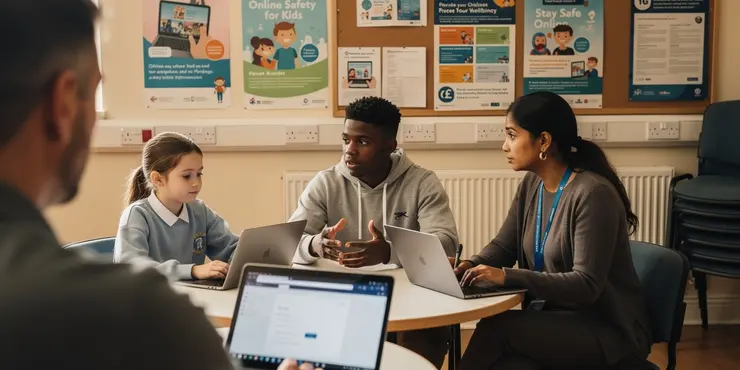
The question of whether existing UK laws sufficiently protect under 16s on social media is a pressing concern in today's digital age. With the rise of social media platforms, young people are more exposed to potential risks online. This has led to increased scrutiny of legal frameworks intended to safeguard children on these platforms.
Current UK Legislation
In the UK, the primary legislation that covers internet safety is the Online Safety Bill. This bill is designed to regulate the online environment by imposing duties of care on social media companies to protect users from harmful content. It includes measures specifically aimed at protecting children from exposure to harmful or inappropriate material. The bill enforces age verification technologies and requires platforms to implement systems that prevent under-age use.
The Role of the Children's Code
The Age Appropriate Design Code, also known as the Children's Code, was introduced by the Information Commissioner's Office (ICO) to provide specific guidance on how digital services should treat children's data. The code mandates that online services likely accessed by children adhere to higher standards of privacy and data security. It encourages platforms to design their services in ways that prioritize the privacy and safety of young users.
Issues with Enforcement
Despite comprehensive legislation, enforcement remains a challenge. Critics argue that many social media companies do not fully comply with the requirements, citing issues such as inadequate age verification and limited accountability for harmful content. Furthermore, the constantly evolving nature of technology and digital platforms means laws can quickly become outdated, reducing their effectiveness.
Parental Responsibility and Education
While legislation plays a crucial role, parental responsibility and education are also essential components of protecting children online. Parents are encouraged to engage in open discussions with their children about internet safety and to use parental controls where appropriate. Additionally, schools play a vital role in educating students about potential online risks and safe practices.
Conclusion
In conclusion, while the UK has made significant strides in developing laws to protect under 16s on social media, there are still gaps in enforcement and adaptation to new technological developments. A combination of robust legislation, effective enforcement, parental involvement, and education is necessary to ensure young people's safety on social media platforms. Continuous evaluation and adaptation of laws are required to keep pace with the rapidly changing digital landscape and to address the emerging threats that can impact under 16s.
Introduction
Are the laws in the UK good enough to keep kids safe on social media? This question is important today because social media is everywhere. Kids use it a lot, and this can be risky. Because of this, people are looking closely at the laws that are meant to keep kids safe online.
Current UK Legislation
In the UK, there is a big law called the Online Safety Bill. This law helps make the internet a safer place. It tells social media companies they need to keep users safe from bad things online, especially kids. It makes sure that companies check ages and stop kids from seeing or doing things they shouldn’t.
The Role of the Children's Code
The Children's Code, also called the Age Appropriate Design Code, is a set of rules for online services about how to care for kids' data and privacy. This code says that online services should keep children's data safe and private. It tells companies to make their services protect kids online.
Issues with Enforcement
Even though there are many good laws, making sure they are followed is hard. Some people say social media companies don't always follow the rules. They also say that things like checking ages aren’t done right. Because technology changes fast, the laws can seem old and less useful.
Parental Responsibility and Education
Keeping kids safe online is not just about laws. Parents and teachers need to help too. Parents should talk to their kids about staying safe on the internet. They can use tools to help control what their kids see online. Schools should teach kids about the risks and how to be safe on the internet.
Conclusion
To sum up, the UK has good laws to keep kids under 16 safe on social media, but there are still problems. We need to make sure these laws are used properly and change them when needed. Parents and schools also need to be involved to keep kids safe online. We should keep checking and changing the laws to deal with new problems that come up in the digital world.
Frequently Asked Questions
What existing UK laws aim to protect under 16s on social media?
The UK has several laws and regulations, including the Data Protection Act 2018 and the Age Appropriate Design Code, which aim to protect minors online by ensuring their data privacy and promoting age-appropriate content.
What is the Age Appropriate Design Code?
The Age Appropriate Design Code is a set of 15 standards ensuring that online services likely to be accessed by children are appropriate for their age and prioritize their best interests.
Does the Online Safety Bill provide additional protection for under 16s?
The Online Safety Bill, still under parliamentary review, aims to impose duties on platforms to protect children from harmful content and activity online.
Are social media companies required to verify the age of their users?
There is no statutory requirement to age-verify all users, but companies are encouraged to implement age-appropriate measures as part of the Age Appropriate Design Code.
Can under 16s legally register on social media platforms in the UK?
Platforms often have minimum age requirements, typically 13, due to the Children's Online Privacy Protection Act (COPPA), which is a US law but impacts global platforms.
How does the Data Protection Act 2018 protect children?
The Act gives individuals more control over their personal data and compels companies to consider data protection by design, which includes safeguarding children’s data.
Are parents involved in managing their children's social media use under UK law?
While UK law does not mandate parental monitoring, it encourages parental involvement and permits parents to manage their children’s data until they are mature enough to do so.
Do existing UK laws require social media platforms to remove harmful content?
The Online Harms White Paper and the upcoming Online Safety Bill propose rules that would require platforms to remove harmful content swiftly, particularly when it affects children.
What penalties do social media companies face for non-compliance with UK laws protecting minors?
Companies can face fines and other penalties imposed by regulatory bodies such as the Information Commissioner's Office (ICO) for failing to protect children's data and comply with the law.
How effectively are existing laws enforced to protect under 16s on social media?
Enforcement challenges remain, with critics arguing that penalties could be harsher and that technological measures for enforcement should be improved.
How does the UK law address cyberbullying among under 16s on social media?
While there is no specific cyberbullying law, other laws such as the Malicious Communications Act 1988 and the Protection from Harassment Act 1997 can be applied.
Does UK law provide for educational programs about social media safety for under 16s?
While law does not mandate educational programs, the Department for Education supports initiatives that educate children about safe online behavior, including social media use.
What role does the Information Commissioner’s Office (ICO) play in protecting children on social media?
The ICO enforces data protection laws and provides guidelines and codes of practice, like the Age Appropriate Design Code, to safeguard children's privacy online.
How are parents informed about data processing practices affecting their children's social media use?
Companies are required to provide clear information about data processing activities, typically directed at both the child and the parents, under the transparency requirements of the GDPR.
Are there any UK government initiatives aimed at improving child safety on social media?
Yes, initiatives such as the Online Media Literacy Strategy aim to build resilience and understanding about online safety among children and families.
How do social media platforms ensure compliance with age restrictions in the UK?
Many platforms rely on self-declaration methods and increasingly use AI and other technologies to monitor and enforce age restrictions.
What challenges exist in protecting under 16s on social media under current UK laws?
Challenges include the global nature of social media, rapid technological advancements, and the difficulty in enforcing age verification and harmful content removal.
Is there a public consultation process for new laws affecting children on social media in the UK?
Yes, the UK government often holds public consultations to gather input from stakeholders, including the general public, when drafting new legislation.
How does the UK government collaborate internationally to protect children on social media?
The UK collaborates with international bodies and governments to align laws and share best practices on children’s safety online.
What measures can parents take to protect their under-16s on social media within the legal framework?
Parents can utilize privacy settings, engage in open discussions about online safety, and educate themselves and their children about rights and risks on social media.
What UK laws help keep kids under 16 safe on social media?
Let's find out what rules are there to help kids stay safe online.
In the UK, there are rules to keep kids safe online.
These rules include the Data Protection Act 2018. This helps keep personal information private.
There is also the Age Appropriate Design Code. This makes sure content is right for kids.
These rules protect kids' information and make the internet safer for them.
What is the Age Appropriate Design Code?
The Age Appropriate Design Code is a set of rules. These rules help make websites and apps safe for children. They protect children’s personal information and privacy when they use the internet.
If you have trouble reading, you can ask someone you trust to help you understand these rules. There are also tools like screen readers that can read the text out loud for you.
The Age Appropriate Design Code has 15 rules. These rules make sure websites and apps that children use are safe for them. The rules help care for what kids need and what is good for them.
Does the Online Safety Bill help keep kids under 16 safer online?
The Online Safety Bill is still being talked about in the government. It wants to make new rules. These rules will help keep children safe on the internet. They will tell websites to stop harmful things from reaching kids.
Do social media companies have to check how old their users are?
There is no law that says companies must check how old everyone is. But companies are encouraged to use ways that fit the right age when they make and design things. This is part of the Age Appropriate Design Code.
Can kids under 16 use social media in the UK?
This means can kids sign up for Facebook, Instagram, or Snapchat if they are not yet 16?
Use tools like screen readers or color overlays to make reading easier for you. It's okay to ask a parent or teacher to help too.
Websites often have age rules. You usually need to be at least 13 to use them. This is because of a law called the Children's Online Privacy Protection Act, or COPPA for short. This law started in the US but affects websites everywhere.
How does the Data Protection Act 2018 keep children safe?
The Data Protection Act 2018 is a rule that helps keep personal information safe.
It makes sure that anyone who has children’s information must look after it carefully.
If someone wants to use or share a child’s information, they need permission.
This act also helps people understand what information is being collected about children.
Try using pictures or simple diagrams to help understand the act better.
Ask an adult to explain tricky words or ideas.
The law helps people control their personal information. It makes companies keep data safe, especially for children.
Do parents help with their kids' social media in the UK?
In the UK, parents help their kids use social media safely. They teach them to be careful online.
To make this easier, parents can try these tips:
- Set rules for how long kids can be online.
- Talk to kids about what is safe to share.
- Make sure kids only talk to people they know.
These tips can help keep kids safe and happy online.
The law in the UK doesn't say parents have to watch everything their kids do online. But it does say it's a good idea for parents to be involved. Parents can help manage their kids' data until the kids are old enough to do it themselves.
Do UK laws ask social media to take away harmful stuff?
The government is making new rules to keep people safe online. These rules will help stop bad things from staying on the internet. It's really important to keep children safe from harmful things online.
What happens if social media companies break UK laws that keep kids safe?
If social media companies don't follow the rules to keep kids safe, they can get in trouble.
They might have to pay a lot of money as a fine.
The government can also tell them to make changes.
If you want to know more or need help, you can use tools like Read Aloud or Text-to-Speech to hear the information.
Companies can get in trouble and have to pay money if they don't keep children's information safe. Important groups, like the Information Commissioner's Office (ICO), make sure companies follow the rules.
Do current rules keep kids under 16 safe on social media?
Are the rules working? Do they help keep young people safe?
Some things that can help:
- Talk to adults about what you see online.
- Use apps that tell you how to stay safe.
- Take breaks from social media.
There are still problems with making sure the rules are followed. Some people think punishments should be tougher and that better technology could help enforce the rules.
What does UK law do about cyberbullying for kids under 16 on social media?
There isn't a special law just for cyberbullying. But, there are other laws that can help. These are the Malicious Communications Act 1988 and the Protection from Harassment Act 1997.
Does UK law have lessons about being safe on social media for kids under 16?
The UK wants kids to be safe online. There are lessons in schools to help kids learn about using social media safely. These lessons teach children under 16 how to be careful and what to watch out for when they use the internet.
If you want to learn more, you can ask a teacher or find online videos that explain social media safety in simple ways. There are also apps that help kids stay safe online.
The law does not say schools must teach online safety. But the Department for Education helps schools teach kids how to be safe online and use social media safely.
What does the Information Commissioner's Office (ICO) do to keep children safe on social media?
The Information Commissioner's Office (ICO) helps keep children safe when using social media. It makes rules to protect children's personal information online.
If you want to know more or need help, you can:
- Ask an adult to explain.
- Use voice assistants to read text out loud.
- Use apps that help with reading.
The ICO makes sure that rules about keeping information safe are followed. They give advice and set rules to help protect kids when they use the internet. One of these rules is called the Age Appropriate Design Code.
How do parents find out about data rules for their kids' social media?
We need to make sure all parents know what happens with the information collected about their kids when they use social media.
Here are some easy ways to learn about it:
- Check the website: Most social media sites have a section called "Privacy Policy" where they explain what they do with data.
- Ask questions: Parents can talk to their kids about what they do online and teach them to be safe and smart.
- Use helpful tools: Some websites have videos and simple guides to help families understand data safety.
- Get advice: There are groups and hotlines where parents can learn how to protect their kids’ online information.
Companies must give simple information about how they use data. They need to explain this to both kids and their parents. This is a rule called GDPR.
Is the UK government doing anything to keep kids safe on social media?
The UK government wants to help keep kids safe online. They have plans to make social media safer for children. This means they want to stop bullying, mean comments, and strangers talking to kids.
One tool that can help is the "Child Safety" app. It can show parents what their kids do online. Kids can also talk to an adult if something feels wrong.
Parents can use privacy settings to keep their kids safe. Always talk to kids about what they do on social media.
If you want more help, websites like "Internet Matters" give tips on online safety for kids.
Yes, there are plans like the Online Media Literacy Plan. They help children and families stay safe online and learn about the internet.
How do social media apps make sure kids are the right age in the UK?
Social media apps have rules about how old you need to be to use them. In the UK, these apps try to check ages to keep children safe.
Here are some ways they do it:
- Ask for your birth date when you sign up.
- Use special filters to check if a user is telling the truth about their age.
If you need help understanding this, you can ask a trusted adult or use a reading app to help. They can explain in simpler words or give you more examples.
Many websites ask users to say how old they are. They also use clever computers to check if users are the right age.
What makes it hard to keep kids under 16 safe on social media in the UK?
Keeping kids safe online can be tricky. Here’s why:
- Age Checks: It’s hard to be sure how old someone is online.
- Privacy: Kids might share too much personal stuff without knowing it’s a problem.
- Bullying: Some people can say mean things to kids online.
- Content: There is bad stuff that kids shouldn’t see.
Here’s how you can help:
- Talk: Chat with kids about being safe online.
- Tools: Use apps that help parents watch what kids do online.
- Learn: Show kids how to use privacy settings.
There are some big problems. Social media is used all over the world. Technology changes very quickly. It's hard to check how old people are. It's also hard to stop harmful content.
For help, you can use tools that block bad websites or apps. Adults can help you stay safe online too.
Can people give their thoughts on new rules for kids using social media in the UK?
The government might ask people what they think about new rules for kids on social media.
Sometimes, they do this before making new rules.
If you want to share your ideas, there are ways to do that.
Support:
- Get help from a family member or friend to understand better.
- Use simple apps that read text out loud.
Yes, the UK government sometimes asks people what they think before making new laws. They want to hear from everyone, including the general public.
How does the UK government work with other countries to keep children safe on social media?
The UK government works with other countries to keep children safe online.
Here is how they do it:
- They talk to other countries' leaders about rules to keep social media safe for kids.
- They share ideas on how to stop harmful content online.
- They come up with plans to catch online bullies and bad people.
Support tools or techniques:
- Parents can use parental controls to block bad content.
- Children can talk to trusted adults if they see something upsetting.
- Schools can teach kids how to be safe online.
The UK works with other countries and groups to make sure online rules help keep children safe. They share ideas and ways to make the internet safer for kids.
How can parents keep kids under 16 safe on social media by following the law?
Parents can use privacy settings to help keep their children safe online. They should talk openly with their children about staying safe on the internet. It is important for kids and parents to learn about their rights and the dangers on social media.

Useful Links
- Ergsy carfully checks the information in the videos we provide here.
- Videos shown by Youtube after a video has completed, have NOT been reviewed by ERGSY.
- To view, click the arrow in centre of video.
- Most of the videos you find here will have subtitles and/or closed captions available.
- You may need to turn these on, and choose your preferred language.
- Go to the video you'd like to watch.
- If closed captions (CC) are available, settings will be visible on the bottom right of the video player.
- To turn on Captions, click settings .
- To turn off Captions, click settings again.
More Items From Ergsy search
-
Do existing UK laws sufficiently protect under 16s on social media?
Relevance: 100%
-
Who is pushing for a social media ban for under 16s in the UK?
Relevance: 79%
-
Are there any countries that have implemented a social media ban for under 16s?
Relevance: 76%
-
How soon could a social media ban for under 16s be implemented in the UK?
Relevance: 75%
-
Could this social media ban lead to an increase in workarounds by under 16s?
Relevance: 74%
-
Is the UK introducing a Social Media ban for under 16's?
Relevance: 73%
-
What is the reason behind proposing a social media ban for under 16s in the UK?
Relevance: 72%
-
What would a social media ban for under 16s in the UK entail?
Relevance: 70%
-
Have any UK government officials commented on a social media ban for under 16s?
Relevance: 70%
-
What alternatives are being considered instead of a social media ban for under 16s?
Relevance: 68%
-
How might social media companies respond to a ban for under 16s in the UK?
Relevance: 65%
-
Which platforms could be affected by a social media ban for under 16s?
Relevance: 63%
-
What impact could a social media ban have on under 16s in the UK?
Relevance: 63%
-
What is the public opinion on a potential social media ban for under 16s in the UK?
Relevance: 63%
-
Has the UK parliament discussed the feasibility of a social media ban for under 16s?
Relevance: 59%
-
Could parents override a social media ban for their under 16 children?
Relevance: 55%
-
What could be the legal challenges of implementing a social media ban for under 16s?
Relevance: 53%
-
Is the UK planning to introduce a social media ban for those under 16?
Relevance: 52%
-
How would a social media ban for under 16s be enforced in the UK?
Relevance: 51%
-
Are there any studies that support the social media ban for under 16s?
Relevance: 48%
-
Why are there unfamiliar apps connected to my social media account?
Relevance: 39%
-
Can scammers access my information through social media?
Relevance: 38%
-
How can phishing attacks lead to social media hacks?
Relevance: 38%
-
Should I report the hack to the social media platform?
Relevance: 38%
-
Are there any tools provided by social media platforms to increase security?
Relevance: 37%
-
Is it possible for hackers to use my social media posts to cause harm?
Relevance: 37%
-
How do I know if my social media accounts have been hacked?
Relevance: 36%
-
How are rent increases regulated under the new law?
Relevance: 34%
-
Are there privacy laws that protect me from neighbor's cameras?
Relevance: 33%
-
Are age restrictions currently in place for social media platforms in the UK?
Relevance: 31%
-
How can I check recent login activity on my social media accounts?
Relevance: 30%
-
What signs indicate that my social media account might be hacked?
Relevance: 27%
-
Understanding the New Domestic Abuse Laws in the UK
Relevance: 27%
-
What role do local councils play under the new law?
Relevance: 26%
-
Understanding Parental Rights in Light of New UK Child Protection Legislation
Relevance: 25%
-
Are there specific laws governing SEND in schools?
Relevance: 24%
-
Child Care Proceedings | Family Law
Relevance: 24%
-
Are there any laws against binge drinking?
Relevance: 23%
-
THE LAW IN 60 SECONDS | HEALTH AND SAFETY AT WORK
Relevance: 23%
-
What is my neighbour required to do under GDPR?
Relevance: 23%


