
Find Help
More Items From Ergsy search
-
Could parents override a social media ban for their under 16 children?
Relevance: 100%
-
Is the UK introducing a Social Media ban for under 16's?
Relevance: 73%
-
Who is pushing for a social media ban for under 16s in the UK?
Relevance: 68%
-
Is the UK planning to introduce a social media ban for those under 16?
Relevance: 66%
-
What would a social media ban for under 16s in the UK entail?
Relevance: 63%
-
Has the UK parliament discussed the feasibility of a social media ban for under 16s?
Relevance: 63%
-
What is the public opinion on a potential social media ban for under 16s in the UK?
Relevance: 63%
-
Are there any countries that have implemented a social media ban for under 16s?
Relevance: 63%
-
How soon could a social media ban for under 16s be implemented in the UK?
Relevance: 63%
-
What is the reason behind proposing a social media ban for under 16s in the UK?
Relevance: 62%
-
Have any UK government officials commented on a social media ban for under 16s?
Relevance: 62%
-
Could this social media ban lead to an increase in workarounds by under 16s?
Relevance: 61%
-
What alternatives are being considered instead of a social media ban for under 16s?
Relevance: 59%
-
What impact could a social media ban have on under 16s in the UK?
Relevance: 58%
-
Which platforms could be affected by a social media ban for under 16s?
Relevance: 57%
-
How might social media companies respond to a ban for under 16s in the UK?
Relevance: 57%
-
Do existing UK laws sufficiently protect under 16s on social media?
Relevance: 50%
-
How would a social media ban for under 16s be enforced in the UK?
Relevance: 48%
-
Are there any studies that support the social media ban for under 16s?
Relevance: 43%
-
What could be the legal challenges of implementing a social media ban for under 16s?
Relevance: 41%
-
What is the role of parental monitoring in children's screen time and sleep?
Relevance: 34%
-
How are hosepipe ban restrictions communicated to the public?
Relevance: 31%
-
Why are there unfamiliar apps connected to my social media account?
Relevance: 30%
-
How can phishing attacks lead to social media hacks?
Relevance: 29%
-
Can scammers access my information through social media?
Relevance: 29%
-
How can I check if there is a hosepipe ban in my area?
Relevance: 29%
-
Should I report the hack to the social media platform?
Relevance: 28%
-
Are there any tools provided by social media platforms to increase security?
Relevance: 28%
-
Are age restrictions currently in place for social media platforms in the UK?
Relevance: 27%
-
How do I know if my social media accounts have been hacked?
Relevance: 27%
-
Is it possible for hackers to use my social media posts to cause harm?
Relevance: 27%
-
Does Thames Water notify customers before a hosepipe ban is enforced?
Relevance: 27%
-
Under what conditions does Thames Water typically impose a hosepipe ban?
Relevance: 27%
-
What advice is available for parents concerned about autism risks?
Relevance: 26%
-
Is a hosepipe ban legally enforceable?
Relevance: 26%
-
What is the penalty for violating a hosepipe ban from Thames Water?
Relevance: 25%
-
Who enforces hosepipe bans?
Relevance: 25%
-
Is a hosepipe ban legally enforceable?
Relevance: 24%
-
Calls to Ban Vapes Near School Grounds Gain Momentum
Relevance: 24%
-
Understanding Parental Rights in Light of New UK Child Protection Legislation
Relevance: 24%
Understanding Social Media Restrictions for Under 16s in the UK
In the UK, social media platforms often set minimum age limits for account holders, typically requiring users to be at least 13 years old. This complies with several regulations, including the Children’s Online Privacy Protection Act (COPPA) in the United States, which influences global tech companies. Despite these guidelines, many platforms are planning or already have mechanisms to restrict under-16s' participation and usage through varying means. With rising concerns over online safety, there is a growing discourse around whether parents should have the authority to override such restrictions.
The Role of Parents in Managing Online Access
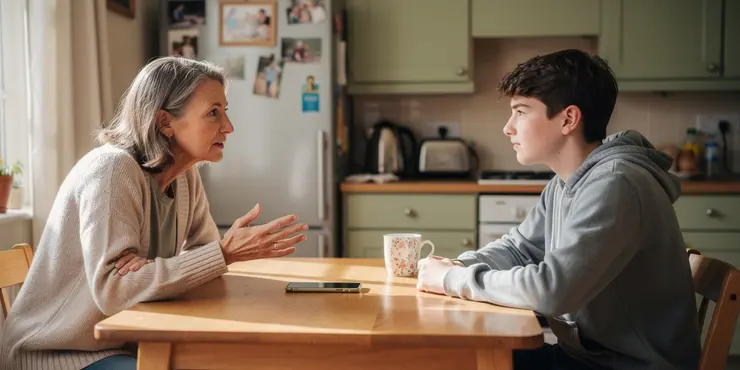
Parents play a crucial role in guiding their children's online activity. The debate on whether parents should override social media bans generally revolves around the balance between parental rights and the responsibilities of tech companies to safeguard young users. Advocates for parental control argue that parents should have the discretion to decide what is best for their children, given their intimate knowledge of their child's maturity and understanding of online risks.
Legal Framework and Platform Policies
The UK's Data Protection Act (DPA) 2018 aligns with the General Data Protection Regulation (GDPR), which includes specific provisions for children's online activity. Under these regulations, platforms need parental consent to process data for users under 16. Consequently, many platforms have developed tools to enforce age restrictions, flagging or removing accounts believed to violate these terms. However, enforcement varies, with some platforms being more stringent than others.
Potential Challenges and Concerns
While the ability for parents to override restrictions can empower them to tailor their children’s digital experience, it creates several potential challenges. One concern is differing standards of internet safety among parents, which could lead some children to become more vulnerable to online hazards. Moreover, the inconsistency in applying age restrictions across platforms can lead to confusion and uneven enforcement, complicating the situation for both parents and social media companies.
The Debate on Digital Literacy versus Protection
Digital literacy is increasingly seen as an essential skill for modern youth. Proponents for easing restrictions emphasize the importance of teaching children to navigate and critically assess online content instead of barring access outright. They argue that allowing parental overrides, in moderation, could contribute to better learning outcomes. Conversely, critics highlight the potential risks, noting that prematurely exposing young users to certain online environments could lead to negative impacts on mental health and privacy.
Conclusion
The question of whether parents should override social media bans for children under 16 in the UK is complex. It involves balancing the need for protection with the right for parental discretion and focuses on broader themes of digital responsibility and safety. As online landscapes continue to evolve, so too will the frameworks and conversations guiding youth interaction with digital spaces. Ultimately, collaboration between parents, educators, tech companies, and policymakers is pivotal in shaping a safe and enriching online experience for young users.
Understanding Social Media Rules for Kids Under 16 in the UK
In the UK, social media sites usually have rules about how old you need to be to have an account. Most sites say you need to be at least 13 years old. This is because of rules like COPPA in the United States, which affect tech companies everywhere. Even with these rules, many sites are making or already have ways to limit how kids under 16 use them. People are worried about keeping kids safe online, so they're talking more about whether parents should be allowed to change these rules for their kids.
What Parents Do to Help with Online Access
Parents are very important in helping their children use the internet safely. People argue about whether parents should change social media rules. It's about finding the right balance between parents making decisions and tech companies keeping kids safe. Some people say parents know their kids best, so they should choose what is right for them.
The Law and Social Media Rules
The UK's Data Protection Act works with GDPR to have special rules for kids online. Sites need parents to say it's okay to use data for kids under 16. Many sites have tools to make sure kids follow age rules, and they can take away accounts that break them. But some sites follow these rules more strictly than others.
Challenges and Worries
Letting parents change rules can help them make the internet better for their kids, but it also causes problems. One worry is that parents have different ideas about internet safety, which might make some kids less safe. Also, age rules are not always the same on all sites, which can confuse parents and companies.
The Talk About Learning Online Skills vs. Protection
Learning how to use the internet safely is very important for kids today. Some people say it's better to teach kids how to understand online content instead of just keeping them away. They think letting parents change some rules can help kids learn better. But others worry that seeing some things online too soon can hurt kids’ mental health and privacy.
Conclusion
Deciding if parents should change social media rules for kids under 16 in the UK is a tough question. It’s about keeping kids safe while letting parents decide what’s best for their children. As the internet changes, so do the talks and rules. Working together—parents, teachers, tech companies, and lawmakers—will help make the internet safe and fun for kids.
Frequently Asked Questions
Can parents legally override a social media ban for their under 16 children?
It depends on the specific rules and regulations implemented by the social media platform as well as local laws regarding parental authority and children's online activities.
What are typical age restrictions for social media platforms?
Most mainstream social media platforms have a minimum age requirement of 13 years old as per COPPA guidelines, but some platforms may have higher age restrictions.
Why do social media platforms impose age restrictions?
Age restrictions are primarily in place to comply with legal requirements like the Children’s Online Privacy Protection Act (COPPA) and to protect younger users from inappropriate content and interactions.
Can parental consent allow children under 16 to legally be on social media?
Parental consent may not override the Terms of Service agreements of social media platforms, which users must adhere to when creating accounts.
What happens if a child under 16 is found using social media against the platform's rules?
The social media platform may suspend or delete the account if it determines that a user does not meet the age requirements.
Are there social media sites specifically designed for children under 16?
Yes, some social media sites and apps are created specifically for children under 16, offering parental controls and safer environments.
How can parents monitor their children's social media use effectively?
Parents can use parental control tools, have open discussions about internet safety, and actively engage in their children's online activities.
Do social media platforms verify the age of their users?
Most platforms rely on users self-reporting their ages, but they may conduct additional reviews if accounts are reported or suspected to involve underage users.
Are there penalties for parents who allow their children to use social media underage?
While there aren't typically legal penalties, accounts may be deleted, and parents are encouraged to follow platform guidelines for their children's safety.
What are potential risks for children under 16 on social media?
Risks include exposure to inappropriate content, cyberbullying, privacy concerns, and interactions with potentially harmful individuals.
Can children under 16 use social media for educational purposes?
Some platforms offer educational versions or environments designed for young users, often managed by schools or educational institutions.
How can parents set boundaries for social media use?
Setting clear rules, monitoring use, and discussing the importance of privacy and respectful interactions can help manage social media use.
What should parents do if they find out their child has ignored a social media age restriction?
Parents should talk to their child about the importance of following age guidelines and consider using parental controls and safety settings.
Could parental controls on devices help override age restrictions?
Parental controls help monitor and manage usage but do not legally override the platform’s terms of service regarding age restrictions.
Are there social media platforms that allow custom or flexible age restrictions?
Some platforms may have parental options that allow limited access for younger users, but they typically still adhere to legal age requirements.
What role do schools play in social media usage for underage children?
Schools often educate students about internet safety and may use social media for educational purposes under controlled environments.
Is it advisable for parents to allow their children under 16 to have social media accounts?
This is a personal decision that varies by family. Parents should weigh the benefits and risks and consider the child’s maturity and understanding of online safety.
What tools can parents use to monitor social media activity?
Parental control apps, built-in device settings, and consistent communication are effective ways to monitor activity.
How can parents educate their children about the dangers of social media?
Discussing real-world examples, setting guidelines, and educating children about privacy and online behavior are key strategies.
What should be included in a family agreement on social media use?
An agreement should include rules about screen time, privacy settings, acceptable content, consequences for breaking rules, and regular family discussions about online experiences.
Can parents let their under 16 children use social media if it's not allowed?
It depends on the rules of the social media app and the laws in your area about what parents and children can do online.
How old do you have to be to use social media?
Most social media sites say you need to be at least 13 years old.
If you are not sure, ask an adult for help.
Most popular social media apps say you must be at least 13 years old to use them. This is because of a rule called COPPA. Some apps might ask for an older age.
Why do social media sites have age limits?
Social media sites want people to be safe. They have age limits to help keep kids safe. Younger kids might not understand some things on social media. Also, social media can have mean or scary stuff. Age limits try to protect kids from this.
If you want to use social media and are not old enough, ask an adult for help. They can explain things and help keep you safe.
You can also use apps that help you understand and stay safe online. These apps can show you which sites are good for kids.
Age limits are there to follow rules and keep kids safe. These rules, like the Children’s Online Privacy Protection Act (COPPA), help protect young users from bad content and people online.
Can parents say yes to kids under 16 using social media?
Parents can give permission for kids under 16 to use social media.
Kids still need to be careful online. Here are some tips to stay safe:
- Ask a grown-up if you are unsure about something.
- Use apps that help keep you safe.
- Keep your personal information private.
Parents can't change the rules of social media sites. When you make an account, you must follow the site's rules.
What happens if a child under 16 uses social media when they shouldn't?
If a child under 16 is using social media when the rules say they can't, here are some things that might happen:
- Their account might get blocked or closed.
- The child's parent or guardian may be told.
- The platform might remove any posts or pictures.
- They might get a warning to stop using the platform.
If you have questions, you can ask a parent, teacher, or a trusted adult for help.
If you are too young, the social media site can stop your account or close it.
Are there social media sites just for kids under 16?
Some websites are made just for kids under 16 to use safely. They have lots of fun things to do and talk about. These sites have rules to keep kids safe. Parents can also help by checking what their kids do online.
Here are some good ideas to help keep kids safe online:
- Use sites with child-friendly settings.
- Parents should look at rules and privacy settings.
- Talk to kids about staying safe online.
Yes, there are some social media sites and apps made just for kids under 16. They have parent controls and are safer for kids.
How can parents watch what their kids do on social media?
It's important for parents to know what their kids are doing online. Here are some simple ways:
- Talk to your kids. Ask them about the websites and apps they use.
- Use apps that help you see what your kids do online.
- Set rules about how much time they can spend online.
- Check their friends and followers on social media.
- Use passwords and privacy settings to keep them safe.
If you feel unsure, you can ask other parents or look for advice online.
Parents can use special tools to keep kids safe online. They can talk with their kids about staying safe on the internet. Parents should also join in and see what their kids do online.
Do social media sites check how old you are?
Social media sites are places like Facebook or Instagram. They ask how old you are when you sign up. But they do not always check if this is true.
If you use social media, it is good to ask a grown-up for help. There are tools that can help keep you safe online.
Many websites ask you to tell them your age. But sometimes, they check more carefully. They do this if they think a kid might be using the account, or if someone says a kid is using it.
Can parents get in trouble if their kids use social media too early?
Usually, there aren't any law problems. But your account can be taken away. Parents should use the rules on websites to keep kids safe.
What are the dangers for kids under 16 on social media?
Social media can be fun, but it can also be dangerous for kids. Here are some things to watch out for:
- Strangers: Some people online are not who they say they are. They might try to trick kids.
- Bullying: Sometimes, kids say mean things to each other. This is called bullying.
- Privacy: Be careful about sharing personal information like your name, address, or school.
- Inappropriate Content: Some pictures or videos might not be right for kids to see.
- Screen Time: Spending too much time online can be bad for your health or sleep.
If you are a kid, always talk to a grown-up if something online makes you feel bad or scared. Use tools like Net Aware to learn more about staying safe online.
There are some dangers when using the internet. You might see things that are not okay for kids. People can be mean online, which is called cyberbullying. You need to be careful about what you share about yourself, like your name and where you live. Sometimes, bad people might try to talk to you online.
Can kids under 16 use social media to learn?
Kids under 16 can use social media to learn new things. But there are some important rules and tips to help them use it safely and learn well.
- Set time limits. Don't spend too much time on social media.
- Have an adult help. A parent or teacher can guide and keep you safe.
- Use safe websites. Choose social media sites for kids and learning.
- Learn together. Share fun things you find on social media with your family or friends.
Remember, social media can be a great way to learn if you use it wisely!
Some websites make special versions for learning. These are for kids and are usually used in schools.
How can parents make social media rules?
Here is how parents can make rules for using social media:
- Talk together: Parents and children should talk about social media. Share what you think is good and bad about it.
- Set time rules: Decide how much time is okay to be on social media each day.
- Choose safe apps: Use apps that are safe and good for children.
- Watch together: Parents can check what their children see on social media.
- Use helper tools: Use apps that help set time limits. They can help children take breaks.
Making rules together can help keep children safe and happy online.
To use social media safely, it helps to do a few simple things:
- Make clear rules for when and how to use it.
- Check how much time is spent on social media.
- Talk about why privacy is important.
- Discuss how to be kind and respectful to others online.
These steps can help make social media time better and safer.
What can parents do if their child uses social media too early?
1. **Stay Calm**: Talk to your child calmly. Ask them why they are using social media.
2. **Set Rules**: Explain why age limits are important. Make rules about using social media.
3. **Use Tools**: Use apps and settings to help keep your child safe online.
4. **Talk Often**: Keep talking to your child about being safe on the internet.
Parents should talk to their child about why it is important to follow the rules for their age. They should also think about using tools that help keep their child safe online.
Can parental controls on devices help with age limits?
Parental controls can help you watch and manage how someone uses the service. But they do not change the rules about how old you have to be to use the service.
Can you change age limits on social media sites?
Some social media sites let you set or change age limits. This means different age groups can have different rules. Check the settings on each site to learn more.
If reading is hard, you can ask someone to help or use tools that read text out loud.
Some websites have special parent controls. These controls help keep kids safe online. Even with these controls, kids must still be old enough to use the website. This is the law.
How do schools help kids use social media safely?
Schools teach kids how to be safe on the internet. They might also use social media for learning in safe ways.
Should children under 16 use social media?
This decision is up to each family. Parents need to think about the good and bad things. It's also important to see if the child is responsible and knows how to stay safe online.
How can parents watch what their kids do on social media?
Parents can use some apps and tools to help them see what their kids do on social media. These tools help keep children safe:
- Parental control apps: These apps let parents check what kids are doing online. They can set limits and block some websites.
- Privacy settings: Teach kids to use privacy settings. This helps them share with only friends and family.
- Talk to your kids: Have regular chats about what they do online. Explain why it's important to stay safe.
- Set rules together: Make a list of rules about using social media and agree on them with your kids.
These tools and ideas help keep children safe when they use social media.
Parents can use special apps and settings on devices to keep an eye on what kids are doing. Talking with kids all the time also helps.
How can parents teach their children about the dangers of social media?
Parents can help their kids stay safe on social media. Here are some tips:
- Talk with your kids about what social media is.
- Explain what can be dangerous, like talking to strangers.
- Show them how to set privacy settings on apps.
- Teach them not to share personal information, like their address.
- Make rules about how long they can use social media each day.
- Encourage your kids to tell you if something makes them feel upset or unsafe.
- Use tools or apps that help monitor what your kids see online.
By talking and teaching, parents can help their kids have a safer time online.
Talking about real-life stories, setting rules, and teaching kids about staying safe and being nice online are important ways to help.
What should a family agreement on using social media have?
When you make a plan about using screens, it should have some rules. The rules can be about how long you can use screens, what you can look at or do, and who can see what you are doing. The plan should also say what happens if the rules are not followed. It's good to have regular family talks about what everyone does online.

Useful Links
- Ergsy carfully checks the information in the videos we provide here.
- Videos shown by Youtube after a video has completed, have NOT been reviewed by ERGSY.
- To view, click the arrow in centre of video.
- Most of the videos you find here will have subtitles and/or closed captions available.
- You may need to turn these on, and choose your preferred language.
- Go to the video you'd like to watch.
- If closed captions (CC) are available, settings will be visible on the bottom right of the video player.
- To turn on Captions, click settings .
- To turn off Captions, click settings again.
More Items From Ergsy search
-
Could parents override a social media ban for their under 16 children?
Relevance: 100%
-
Is the UK introducing a Social Media ban for under 16's?
Relevance: 73%
-
Who is pushing for a social media ban for under 16s in the UK?
Relevance: 68%
-
Is the UK planning to introduce a social media ban for those under 16?
Relevance: 66%
-
What would a social media ban for under 16s in the UK entail?
Relevance: 63%
-
Has the UK parliament discussed the feasibility of a social media ban for under 16s?
Relevance: 63%
-
What is the public opinion on a potential social media ban for under 16s in the UK?
Relevance: 63%
-
Are there any countries that have implemented a social media ban for under 16s?
Relevance: 63%
-
How soon could a social media ban for under 16s be implemented in the UK?
Relevance: 63%
-
What is the reason behind proposing a social media ban for under 16s in the UK?
Relevance: 62%
-
Have any UK government officials commented on a social media ban for under 16s?
Relevance: 62%
-
Could this social media ban lead to an increase in workarounds by under 16s?
Relevance: 61%
-
What alternatives are being considered instead of a social media ban for under 16s?
Relevance: 59%
-
What impact could a social media ban have on under 16s in the UK?
Relevance: 58%
-
Which platforms could be affected by a social media ban for under 16s?
Relevance: 57%
-
How might social media companies respond to a ban for under 16s in the UK?
Relevance: 57%
-
Do existing UK laws sufficiently protect under 16s on social media?
Relevance: 50%
-
How would a social media ban for under 16s be enforced in the UK?
Relevance: 48%
-
Are there any studies that support the social media ban for under 16s?
Relevance: 43%
-
What could be the legal challenges of implementing a social media ban for under 16s?
Relevance: 41%
-
What is the role of parental monitoring in children's screen time and sleep?
Relevance: 34%
-
How are hosepipe ban restrictions communicated to the public?
Relevance: 31%
-
Why are there unfamiliar apps connected to my social media account?
Relevance: 30%
-
How can phishing attacks lead to social media hacks?
Relevance: 29%
-
Can scammers access my information through social media?
Relevance: 29%
-
How can I check if there is a hosepipe ban in my area?
Relevance: 29%
-
Should I report the hack to the social media platform?
Relevance: 28%
-
Are there any tools provided by social media platforms to increase security?
Relevance: 28%
-
Are age restrictions currently in place for social media platforms in the UK?
Relevance: 27%
-
How do I know if my social media accounts have been hacked?
Relevance: 27%
-
Is it possible for hackers to use my social media posts to cause harm?
Relevance: 27%
-
Does Thames Water notify customers before a hosepipe ban is enforced?
Relevance: 27%
-
Under what conditions does Thames Water typically impose a hosepipe ban?
Relevance: 27%
-
What advice is available for parents concerned about autism risks?
Relevance: 26%
-
Is a hosepipe ban legally enforceable?
Relevance: 26%
-
What is the penalty for violating a hosepipe ban from Thames Water?
Relevance: 25%
-
Who enforces hosepipe bans?
Relevance: 25%
-
Is a hosepipe ban legally enforceable?
Relevance: 24%
-
Calls to Ban Vapes Near School Grounds Gain Momentum
Relevance: 24%
-
Understanding Parental Rights in Light of New UK Child Protection Legislation
Relevance: 24%


