
Speak To An Expert
Get clear, personalised advice for your situation.
Jot down a few questions to make the most of your conversation.
Introduction
The impact of a social media ban on individuals under 16 in the UK could be substantial, affecting various aspects of their lives, from social interactions to mental health, education, and exposure to information. Understanding these impacts is crucial for gauging how such a policy might reshape the experiences of young people in a digitally connected world.
Social Interaction
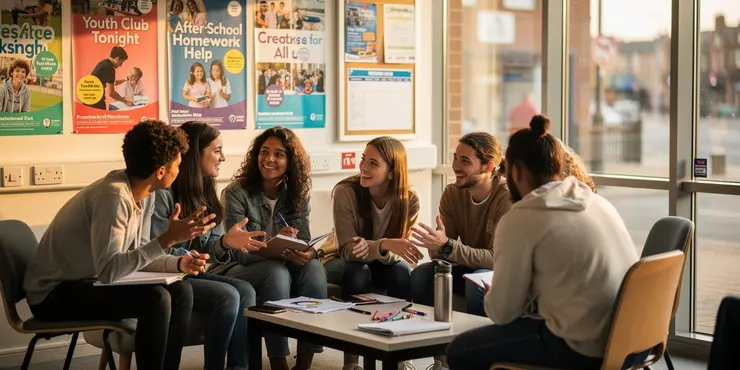
Social media platforms offer a vital channel for communication and social interaction among young people. A ban could limit their ability to connect with peers, share experiences, and engage in group activities online. This might encourage more face-to-face interactions, but it could also lead to feelings of isolation for those who rely on digital platforms to maintain friendships, particularly when distance or circumstances make in-person meetings difficult.
Mental Health
Research presents mixed findings on the effects of social media on mental health. For some young people, accessing social media provides a sense of community and belonging, while for others, it can contribute to anxiety, depression, and poor self-esteem through cyberbullying and comparison with others. A ban could potentially reduce exposure to harmful content and online bullying, but it also might deprive those who find support and encouragement online.
Educational Impact
Social media is also increasingly used as an educational tool, offering access to resources and learning opportunities beyond the classroom. A ban could hinder this access, limiting young people's ability to collaborate on educational projects and discover new areas of interest. However, it might encourage them to explore more traditional forms of learning and recreation by disengaging from the constant connectivity social media demands.
Exposure to Information and Media Literacy
Through social media, young people are exposed to a vast array of information, fostering media literacy and critical thinking. A ban could restrict their access to diverse perspectives and real-time news. While this might protect them from misinformation, it could also limit their ability to develop critical skills necessary to navigate the digital world responsibly. Encouraging media literacy education within schools might become more important to compensate for this gap.
Conclusion
The potential impacts of a social media ban for those under 16 in the UK are multifaceted. While it could mitigate some negative aspects associated with social media use, such as cyberbullying and mental health issues, it could also limit opportunities for social connection, educational advancement, and exposure to diverse information. Careful consideration and balanced approaches would be essential to ensure the benefits outweigh the drawbacks, fostering a healthy environment for young people's growth and development.
Introduction
In the UK, there might be a new rule stopping people under 16 from using social media. This could change a lot of things in their lives. It could affect how they talk to friends, feel about themselves, learn, and see the world. It is important to understand how this change might affect young people who use the internet every day.
Social Interaction
Young people use social media to talk and share with their friends. If there is a ban, it might be harder for them to stay in touch online. They might have to meet friends face-to-face more often. This can be good, but some kids might feel lonely if they can't meet in person easily.
Mental Health
Some kids feel happy and connected when they use social media, while others might feel sad because of bullying or comparing themselves to others. Stopping social media could help keep kids safe from bad things online. But, those who find friends and support online might lose this help.
Educational Impact
Kids use social media to learn new things and find information. If it is banned, it might be harder for them to work together on school projects and learn new topics. However, they might spend more time learning in other ways and trying new hobbies.
Exposure to Information and Media Literacy
Social media helps kids see different ideas and news from around the world. Without it, they might miss out on learning how to think critically about information. Schools might need to teach kids more about understanding media and its messages without social media.
Conclusion
The idea of stopping social media use for kids under 16 has both good and bad sides. It could stop things like online bullying and protect their mental health. But, it could also make it harder to stay connected, learn in new ways, and understand the world. We need to think very carefully about this change to make sure it helps kids grow and learn in a healthy way.
Frequently Asked Questions
A social media ban could reduce anxiety and depression caused by online pressures, but it might also affect social connectivity and lead to feelings of isolation.
Reduced social media usage could encourage face-to-face interactions, potentially improving interpersonal skills, but might also limit digital communication skills.
A social media ban could significantly decrease instances of cyberbullying, providing a safer online environment for young people.
Without social media, young people might explore other creative outlets, such as art or writing, but could lose a platform for sharing and gaining inspiration from their peers.
Social media can offer educational content and peer-to-peer learning opportunities. A ban might limit access to these resources, affecting informal learning.
Removing social media could reduce comparisons to idealized online personas, potentially improving self-esteem, but might also remove positive reinforcement from social interactions.
Without social media, young people might have less exposure to global news and movements, potentially narrowing their world view and social awareness.
A ban would likely protect young people from online predators and identity theft, enhancing online safety significantly.
Limiting social media usage may hinder the development of digital literacy skills crucial for navigating the digital world effectively.
A ban could lead to stronger real-world relationships, but might also limit interactions with broader peer groups commonly facilitated by social media.
Without social media, young people may engage in more offline hobbies and physical activities, potentially benefiting their physical health.
A ban could reduce access to online support groups that provide advice and companionship for issues like mental health and identity exploration.
With less dependence on monitoring social media, parental control could become easier, but parents might need to find new ways to ensure safe digital habits.
Young people may be less influenced by targeted advertisements and influencers, potentially reducing materialism and peer pressure to own certain products.
A ban might reduce tech engagement and awareness, potentially affecting interest in future technology-related careers.
Without social media, opportunities for cultural exchange and exposure to diverse perspectives could diminish, impacting cultural understanding.
Social media often serves as a platform for youth activism; a ban could limit opportunities for civic engagement and participation in social causes.
Reduced exposure to social media reduces the need for critical media consumption skills, potentially affecting the ability to discern information sources.
Social media offers a platform for exploring identities and communities. Without it, young people might have fewer opportunities to explore diverse aspects of their identity.
Without social media distractions, young people could develop better time management skills and focus more on academics and personal growth.
Stopping social media can help people feel less worried and sad because there is less pressure online. But it might also make people feel lonely because they are not talking to friends as much.
Spending less time on social media can help you talk more with people in person. This can make your talking and listening skills better. But it might also mean you don't get as good at talking to people online. A supportive tool like a timer can help manage your social media time.
Stopping people from using social media can help make there be less bullying online. This can make the internet safer for kids and teenagers.
If we didn't have social media, kids might try new things like drawing or writing. But they wouldn't have an easy way to share their work or get ideas from friends.
Social media can help people learn new things. It lets you share and learn with friends. If social media is blocked, it might make it harder for people to learn in this way.
Not using social media could help you stop comparing yourself to others online. This might make you feel better about yourself. But it could also mean you miss out on nice things people say to you on social media.
If there was no social media, kids and teenagers might not see as much news from around the world. This could make their view of the world smaller, and they might not know as much about important things happening.
A ban would help keep young people safe on the internet. It could stop bad people from talking to them and protect their personal information.
Using social media less might make it harder to learn important skills that help you use computers and the internet better.
If social media is banned, people might make better friends in real life. But it could also mean they talk less with others their age that they usually meet online.
Without social media, young people might spend more time doing hobbies and sports in real life. This can be good for their bodies and health.
If there is a ban, people might not be able to join online groups. These groups help people by giving advice and friendships. They are important for things like feeling good in your mind and learning about who you are.
Watching social media less might make it easier for parents to keep their kids safe online. But, parents may still need to find new ways to help their kids use the internet safely.
Young people might not be as affected by ads and influencers. This means they may not feel the need to buy things just because their friends have them.
A ban might make people use tech less and know less about it. This could make some people less interested in jobs with technology later on.
To understand this clearly, you can:
- Ask someone to explain it to you.
- Use tools that read text out loud.
- Use apps that help you learn about technology in a fun way.
Without social media, it might be harder for people to learn about different cultures and ideas. This could make it tougher for us to understand each other.
Kids and teenagers use social media to talk about things they care about. If we stop them from using it, they might not be able to join in and help with important causes.
Using social media less can mean people might not get as good at telling which information is true. This happens because they don't practice checking where the information comes from.
Social media helps people find out who they are and make new friends. Without it, young people might not have as many chances to learn about different parts of themselves.
Without being distracted by social media, young people might learn how to use their time better. They can pay more attention to schoolwork and getting better at things that matter to them.

Ergsy Search Results
This website offers general information and is not a substitute for professional advice.
Always seek guidance from qualified professionals.
If you have any medical concerns or need urgent help, contact a healthcare professional or emergency services immediately.
Some of this content was generated with AI assistance. We've done our best to keep it accurate, helpful, and human-friendly.
- Ergsy carefully checks the information in the videos we provide here.
- Videos shown by Youtube after a video has completed, have NOT been reviewed by ERGSY.
- To view, click the arrow in centre of video.
- Most of the videos you find here will have subtitles and/or closed captions available.
- You may need to turn these on, and choose your preferred language.
- Go to the video you'd like to watch.
- If closed captions (CC) are available, settings will be visible on the bottom right of the video player.
- To turn on Captions, click settings.
- To turn off Captions, click settings again.