
Speak To An Expert
Get clear, personalised advice for your situation.
Jot down a few questions to make the most of your conversation.
Impact on Freedom of Expression
One significant challenge of the social media ban is its impact on freedom of expression. Social media platforms provide a space for individuals to voice their opinions.
The ban restricts this outlet, leading to concerns about censorship. Citizens worry that limiting these channels stifles democratic discourse and dissent.
Business and Economic Setbacks
Businesses heavily reliant on social media for marketing face setbacks. The ban disrupts their ability to reach and engage with customers effectively.
Small and medium enterprises suffer as they often rely on these platforms for affordable advertising. The ripple effect can impact the economy at large.
Connectivity and Community Challenges
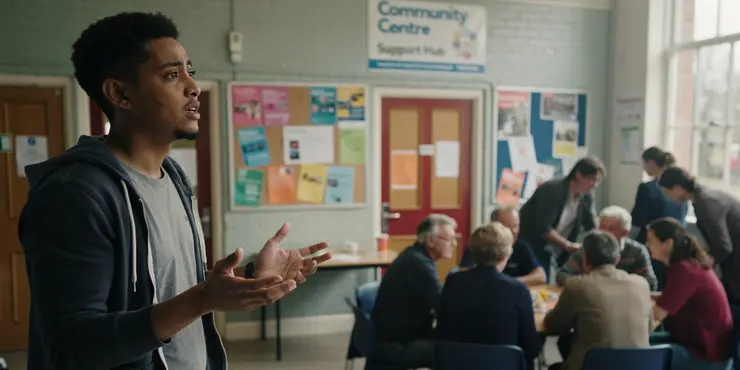
Social media connects communities and facilitates networking. The ban disrupts this connectivity by isolating individuals from their digital communities.
Communities that rely on social media for support and information exchange face new hurdles. This disruption affects social cohesion and access to shared resources.
Adaptation to New Platforms
Users forced off banned platforms must adapt to new digital spaces. This transition involves learning and establishing presence on alternative sites.
The shift can be time-consuming and frustrating, especially for those less tech-savvy. This challenge is magnified for influencers and content creators whose livelihoods depend on social media.
Legal and Regulatory Challenges
The ban poses legal and regulatory challenges concerning its implementation and scope. Questions arise about enforcement and consistency with international law.
There are concerns about the legality of restricting access to information. These challenges require careful navigation to mediate between legal obligations and policy goals.
Privacy and Security Concerns
Users seeking alternatives to banned platforms face privacy and security issues. New or lesser-known platforms may not have robust security measures in place.
Concerns about data protection and privacy arise as users migrate to less established sites. Ensuring user safety in the digital sphere is a major challenge post-ban.
Frequently Asked Questions
The social media ban typically refers to government-imposed restrictions on accessing specific social media platforms within a country, often for national security or regulatory reasons.
Countries implement social media bans to control the spread of misinformation, curb illegal activities, maintain national security, or during periods of political unrest.
Social media bans can limit freedom of speech by restricting individuals' ability to express themselves and access diverse viewpoints online.
Businesses have faced challenges like loss of direct communication channels with customers, decreased marketing reach, and diminished brand visibility.
Yes, social media bans can hurt the economy by disrupting digital marketing, affecting e-commerce, and diminishing overall economic activity linked to the digital ecosystem.
Technological challenges include the need for VPN usage, increased cybersecurity risks, and possible disruptions in internet services or applications that rely on social media APIs.
Bans can affect democratic processes by restricting political discourse, limiting access to information, and potentially influencing electoral processes through controlled media narratives.
Legal challenges include potential conflicts with constitutional rights, challenges from companies affected by the ban, and international legal disputes over censorship and trade.
They can disrupt digital learning environments, limit educational resources and peer communication, and affect youths' engagement with global issues and communities.
People often turn to alternative communication apps, VPNs to bypass restrictions, or non-banned social media platforms and messengers.
Bans can increase feelings of isolation, anxiety, and frustration due to restricted communication and access to social communities.
Yes, social media bans have sometimes led to protests and civil unrest as individuals demand restored access to communication platforms.
They can be perceived as a form of digital authoritarianism when used to suppress dissent and control citizens' access to information.
While they can reduce the spread of misinformation on banned platforms, they may drive misinformation to other channels or underground networks.
Journalists face restricted access to information, limited ability to disseminate news quickly, and challenges in connecting with sources and audiences.
Social media companies may challenge bans legally, adapt their policies or platforms to comply with local laws, or explore diplomatic solutions.
Long-term effects include potential shifts in communication norms, changes in how information is disseminated and consumed, and possible tech industry shifts.
Some governments claim success in terms of reduced misinformation or increased security, but these claims are often debated and context-dependent.
International organizations often advocate for digital rights, monitor the impact of bans, and may influence policies or apply diplomatic pressure on governments.
Yes, bans can stimulate the development of domestic social media platforms, tech services, and innovation as alternatives to banned applications.

Ergsy Search Results
This website offers general information and is not a substitute for professional advice.
Always seek guidance from qualified professionals.
If you have any medical concerns or need urgent help, contact a healthcare professional or emergency services immediately.
Some of this content was generated with AI assistance. We've done our best to keep it accurate, helpful, and human-friendly.
- Ergsy carefully checks the information in the videos we provide here.
- Videos shown by Youtube after a video has completed, have NOT been reviewed by ERGSY.
- To view, click the arrow in centre of video.
- Most of the videos you find here will have subtitles and/or closed captions available.
- You may need to turn these on, and choose your preferred language.
- Go to the video you'd like to watch.
- If closed captions (CC) are available, settings will be visible on the bottom right of the video player.
- To turn on Captions, click settings.
- To turn off Captions, click settings again.