
Speak To An Expert
Get clear, personalised advice for your situation.
Jot down a few questions to make the most of your conversation.
Can I Get Help Negotiating Bills with Service Providers?
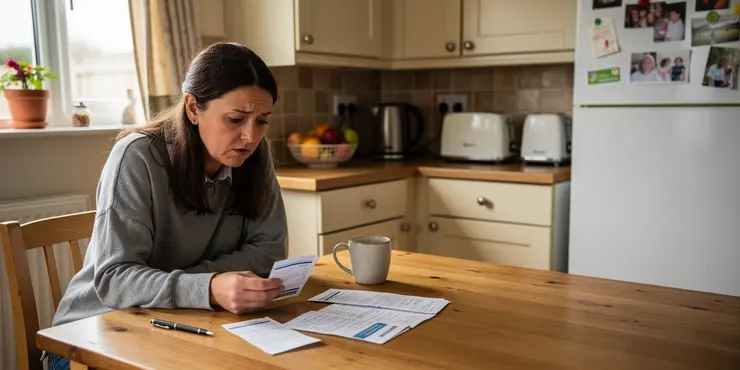
In the UK, many consumers find themselves burdened with high bills from service providers, whether it be for utilities, phone, internet, or TV subscriptions. Fortunately, there are ways to negotiate better deals and potentially lower your expenses. Understanding your rights and knowing how to approach negotiations can make a significant difference.
Understanding Your Consumer Rights
Consumers in the UK have specific rights when it comes to contracts with service providers. These rights are outlined in the Consumer Rights Act 2015, which mandates that any contract must be fair, transparent, and in compliance with the law. If you believe that a bill is unfair or incorrect, you have the right to dispute it.
Steps to Negotiate Your Bills
The first step in negotiating bills is to review your current contract and understand the terms and conditions. Check for any discrepancies or charges you don’t recognize. Being informed puts you in a stronger position when contacting your provider. Once you have a clear understanding of your contract, gather information about competitor offerings. Knowledge of the market rates allows you to leverage better deals.
Next, contact your service provider. It is often effective to call them directly and speak with a customer service representative. Be polite but firm in expressing your desire for a better deal. Mention any loyalty you have as a customer, but also be ready to state specific competitor offers you have found. Providers often have retention teams that can offer promotions or discounts to avoid losing you as a customer.
Organisations That Can Help
There are organisations available to support UK consumers in negotiating their bills. Ofcom, the regulator for communications services, provides guidance and can intervene if you face unfair practices by your service provider. Additionally, consumer rights charity Citizens Advice offers resources and personal assistance to help tackle billing issues.
Moreover, websites like MoneySavingExpert provide valuable advice and forums where other consumers share their experiences and successful negotiation tactics. Such resources are invaluable for learning effective strategies and understanding your leverage points.
When to Consider Professional Help
If negotiations prove challenging or if discrepancies persist, consider seeking professional help. Independent financial advisors or budget counselors can provide tailored advice and might negotiate on your behalf. Their expertise and perspective can sometimes achieve results that individuals struggle to reach on their own.
Conclusion
In summary, negotiating bills with service providers in the UK is not only possible but can lead to significant savings. By understanding your rights, preparing thoroughly, leveraging market knowledge, and seeking external assistance when needed, you can effectively reduce your service costs. Keep in mind that being proactive and attentive to your service agreements will empower you in any negotiation process.
Can I Get Help Negotiating Bills with Service Providers?
In the UK, many people have to pay big bills for things like water, gas, phones, internet, and TV. Luckily, you can try to get a better deal to make these bills smaller. Knowing your rights and how to talk to service companies can help you save money.
Understanding Your Consumer Rights
In the UK, there are rules that protect people when they sign up for services. The Consumer Rights Act 2015 says that service contracts must be fair and clear. If you think a bill is wrong or unfair, you can question it.
Steps to Negotiate Your Bills
Start by looking at your contract carefully. Make sure you understand everything, and check for any mistakes or charges you don't know about. This knowledge helps when you talk to your provider. Find out what other companies are offering to see if you can get a better deal.
Then, call your service provider. Be kind but clear about wanting a lower bill. Tell them how long you've been their customer and mention any better deals you found with other companies. Sometimes they have special teams who can offer discounts to keep you as a customer.
Organisations That Can Help
Some organisations can help UK people with their bills. Ofcom, a company that checks communication services, can give advice if companies treat you unfairly. Citizens Advice is a charity that can help with bill problems too.
Also, websites like MoneySavingExpert have tips and forums where people share ways to get good deals. These places can teach you useful tricks and help you know how to ask for a better offer.
When to Consider Professional Help
If negotiating is hard or there are still problems, you might want to ask a professional for help. Financial advisors or budget counselors can give you advice and might even deal with the company for you. They know a lot and might get you results you can't get alone.
Conclusion
To sum up, you can talk to service companies in the UK to lower your bills, and it can save you money. Know your rights, be prepared, use market knowledge, and ask for help if you need it. By doing these things, you can pay less for your services. Always check your contracts and be ready to negotiate to get the best deals.
Frequently Asked Questions
You can often negotiate bills for services like cable, internet, phone, medical, and insurance.
Gather all relevant information about your account, understand your current bill details, and research competitor pricing.
Be polite, explain your situation, ask for available discounts or promotions, and mention competitor offers if applicable.
Yes, many companies offer loyalty discounts or promotional pricing if you ask.
Yes, you can often negotiate medical bills by speaking with the billing department or getting help from medical billing advocates.
Ask to speak with a supervisor, consider switching providers, or look for other savings opportunities like bundling services.
Review and attempt negotiation every 6-12 months, or when a promotional period ends.
While some providers offer online chat options for negotiation, talking to a representative by phone can be more effective.
Weekdays typically have shorter wait times, and calling earlier in the day can be more effective.
No special skills are necessary, but being prepared, patient, and polite can help immensely.
You can mention considering cancellation, but ensure it's a genuine option for you. Be careful with ultimatums.
Contact each service provider to discuss possible payment plans or hardship programs.
Yes, being a long-term customer can sometimes provide leverage for better deals.
Yes, certain companies offer bill negotiation services for a fee or a percentage of savings.
Yes, bundling services like internet, cable, and phone can often lead to discounted rates.
Knowing competitor offers can give you leverage when negotiating with your current provider.
Request a representative who speaks your language or seek help from a bilingual friend or advocacy group.
Yes, negotiating can often lead to significant savings on your monthly expenses.
A history of late payments might make it more challenging, but it’s still worth attempting to negotiate.
Common mistakes include being unprepared, aggressive, or accepting the first offer without exploring alternatives.
You can usually talk to the company to try and pay less for things like cable TV, internet, phone, doctor visits, and insurance.
Get all the important information about your account. Make sure you know what is on your current bill. Look at how much other companies charge.
Be nice and say what's going on. Ask if there are any discounts or special deals. If other places have lower prices, tell them.
Yes, lots of companies give you special prices or discounts if you ask.
Yes, you can sometimes talk about medical bills to make them less. Speak with the billing office or ask for help from people who know about medical bills.
Ask to talk to the boss, think about changing companies, or find other ways to save money like putting services together.
Check your deal every 6 to 12 months. You can try to change it then. Do this especially after a special offer finishes.
Some companies let you chat online to make deals, but calling and talking to someone on the phone can work better.
Weekdays have shorter waiting times. Calling in the morning is a good idea.
You don't need any special skills. But being ready, calm, and kind can really help a lot.
Think about stopping, but only if you really can. Be careful with giving "do this or else" choices.
Talk to each company to see if you can pay in small amounts or if they can help you if you are finding it hard to pay.
Yes, if you are a customer for a long time, you can sometimes get better deals.
Yes, some companies can help you pay less on your bills. They might charge you money or take some of the savings.
Yes, putting services together like internet, TV, and phone can often cost less money.
When you know what your competitors are offering, you have more power to make deals with your current provider.
Ask for someone who speaks your language to help you, or ask a friend who speaks both languages. You can also get support from a group that helps people like you.
Yes, talking about money can help you save money each month.
If you have paid late before, it might be harder. But you should still try to talk and make a deal.
Some common mistakes people make are:
- Not being ready.
- Being too pushy.
- Saying yes to the first offer without looking at other choices.
Here are some tips to help:
- Make a list of questions you want to ask.
- Take deep breaths to stay calm.
- Think about different choices before you decide.

Ergsy Search Results
This website offers general information and is not a substitute for professional advice.
Always seek guidance from qualified professionals.
If you have any medical concerns or need urgent help, contact a healthcare professional or emergency services immediately.
Some of this content was generated with AI assistance. We've done our best to keep it accurate, helpful, and human-friendly.
- Ergsy carefully checks the information in the videos we provide here.
- Videos shown by Youtube after a video has completed, have NOT been reviewed by ERGSY.
- To view, click the arrow in centre of video.
- Most of the videos you find here will have subtitles and/or closed captions available.
- You may need to turn these on, and choose your preferred language.
- Go to the video you'd like to watch.
- If closed captions (CC) are available, settings will be visible on the bottom right of the video player.
- To turn on Captions, click settings.
- To turn off Captions, click settings again.