
Get Answers
Check for Billing Errors
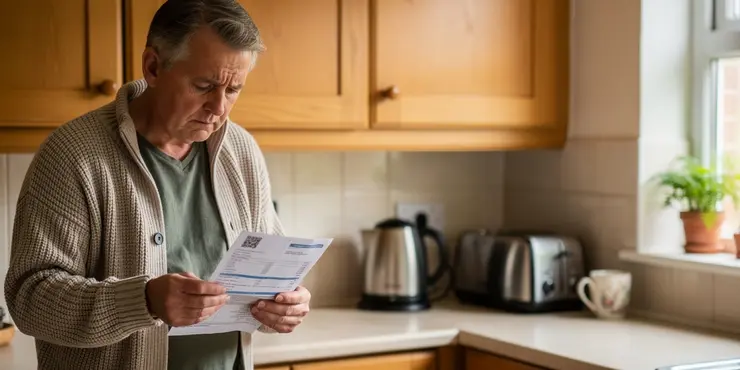
If you receive an unexpectedly high energy bill, the first step is to check for any billing errors. Review your bill carefully to ensure that the readings match the actual meter readings. Sometimes estimated readings can lead to inaccuracies. Compare the meter reading on your bill to the reading on your actual meter. If there is a discrepancy, contact your energy supplier to request a correction.
Understand Your Energy Usage
Another reason for a high energy bill may be increased consumption. Consider any changes in your household that might have led to higher usage. This could include having guests, using heating or cooling more frequently, or adding new appliances. Evaluate your energy habits over the billing period and consider simple energy-saving techniques to reduce consumption, such as turning off lights when not in use and unplugging devices.
Check for Tariff Changes
Review your energy tariff to determine if there have been any changes. Energy prices can fluctuate, and you may be on a variable tariff that has increased. Check your bill or contact your supplier to ensure you are on the best tariff available for your usage level. If you find a cheaper tariff, you might consider switching suppliers or tariffs to lower your costs.
Inspect Your Home for Issues
It's also a good idea to inspect your home for any issues that might be contributing to higher energy costs. Check your home’s insulation, windows, and doors for drafts, as heat loss can significantly impact heating bills. Also, check appliances and heating systems for efficiency and maintenance needs; older, inefficient systems can use much more energy than necessary.
Seek Assistance and Advice
If you are struggling to pay your bill or have any questions, do not hesitate to contact your energy supplier. They may offer payment plans or other assistance programs to help manage your bill. Additionally, you can reach out to organizations such as Citizens Advice or the Energy Saving Trust for independent advice and support regarding high energy bills and energy efficiency.
Consider Energy Assistance Programs
In the UK, there are government schemes and grants available to help reduce energy bills. Programs like the Warm Home Discount Scheme and the Cold Weather Payment can provide support to eligible households during the winter months. Check to see if you qualify for any assistance to help alleviate the burden of high energy costs.
Explore Energy Efficiency Measures
Investing in energy efficiency measures can also help lower future bills. This might include upgrading to energy-efficient appliances, installing a smart meter, or improving home insulation. These steps can help reduce energy consumption and lead to long-term savings. Consult with energy efficiency experts for tailored recommendations based on your home’s needs.
Check Your Bill for Mistakes
If your energy bill is higher than expected, check for mistakes first. Look at your bill and compare the meter readings on it with the readings on your meter. Sometimes the company guesses your usage, and it can be wrong. If the numbers don't match, call your energy company to fix it.
Look at How You Use Energy
A high bill could mean you used more energy than usual. Think about what changed. Did you have visitors? Did you use the heater or air conditioner more? Did you add new gadgets? Watch how your family uses energy. Try turning off lights when not needed and unplugging things when not in use to save energy.
Check If Prices Changed
See if your energy prices have changed. Sometimes energy costs go up, especially with certain plans. Look at your bill or ask your company to make sure you have the best deal. If you find a cheaper option, think about switching plans or companies to save money.
Look Around Your Home
Look for problems at home that could be making your bills higher. Check if doors and windows are letting in cold air, as this can increase heating costs. Also, see if your heater or appliances are old or need fixing, as they might use more energy than necessary.
Ask for Help and Advice
If you find it hard to pay your bill or have questions, call your energy company. They might have payment plans or help for paying bills. You can also contact places like Citizens Advice or the Energy Saving Trust for help and advice on saving energy and lowering bills.
Look Into Help Programs
In the UK, there are programs to help with energy bills. The Warm Home Discount Scheme and Cold Weather Payment can help some families in winter. Check if you can get help from these programs, as they might reduce your bills.
Think About Saving Energy
Try to make your home more energy-efficient to save on future bills. You can get energy-efficient appliances, a smart meter, or better insulation. These things can help you use less energy and save money in the long run. Talk to experts for advice on what works best for your home.
Frequently Asked Questions
Review your bill to check for any anomalies or unusual charges.
Yes, always check if the meter reading matches the reading on your bill.
Compare the current meter reading with the reading on your bill or read the meter yourself.
Double-check if there have been any recent rate changes or temporary surcharges applied.
Consider if you've recently added new appliances or had a change in routine leading to higher consumption.
Heating and cooling can significantly impact energy usage depending on the season.
Conduct an audit by checking for faulty appliances or those left running unnecessarily.
Yes, inspect for drafts or inadequate insulation that may lead to energy loss and higher bills.
Absolutely, contact your provider for clarification and to discuss any billing concerns.
Smart meters provide real-time data which can help monitor and analyze consumption patterns.
No, your bill should reflect your own usage, not that of your neighbors.
Estimated readings can lead to inaccuracies; check if your bill is based on an estimate.
A longer billing period than usual could result in a higher-than-expected bill.
Yes, verify if your new provider has different rates or billing practices.
Budget plans can help manage fluctuations by averaging out your payments over time.
If you're on a dynamic pricing plan, costs can fluctuate with demand, affecting your bill.
Research local or federal programs offering financial assistance for energy costs.
Consider upgrades like energy-efficient appliances or LED lighting to reduce consumption.
Yes, errors in processing or clerical mistakes can lead to inaccurate billing.
Energy apps can provide insights and help track usage to identify potential issues or spikes.
Look at your bill carefully to see if anything looks wrong or different. Check if there are any strange charges.
Yes, always make sure the numbers on your meter are the same as the numbers on your bill.
Look at the meter reading. Check if it matches the number on your bill. You can also read the meter by yourself.
Check again to see if prices have changed or if there are any extra costs added.
Think about if you got any new machines or if how you use energy has changed. This might use more electricity.
Heating and cooling use a lot of energy. This can change a lot in different seasons.
Look around your house to see if anything is broken or if any machines are on when they don't need to be.
Yes, check if there are any cold spots or places where warm air can get out. This can cause you to waste energy and pay more money for heating.
Yes, you should call your provider to ask questions and talk about any bill problems.
Smart meters show how much energy you are using right now. They help you see when and how you use energy. This can help you use less energy.
No, your bill only shows what you use, not what your neighbors use.
Estimated readings can sometimes be wrong. Check if your bill is a guess or has real numbers.
If the time between bills is longer than normal, your bill could be higher than you thought.
Yes, check if your new company charges you differently.
Budget plans can help you handle changes in costs by making your payments the same each time.
If you have a special pricing plan, the price can go up and down. This means your bill can change too.
To help, you can use tools like a calculator to keep track of your money. You can also ask someone to explain it to you if it's hard to understand.
Look for programs in your area or the country that can help pay for energy bills.
Think about getting new things for your home, like fridges or lights, that use less energy. This can help save energy.
Yes, mistakes in processing or writing can cause wrong bills.
Energy apps can help you see how much energy you use. They can show you if there are any problems or big changes in your energy use.

Ergsy Search Results
This website offers general information and is not a substitute for professional advice.
Always seek guidance from qualified professionals.
If you have any medical concerns or need urgent help, contact a healthcare professional or emergency services immediately.
Some of this content was generated with AI assistance. We've done our best to keep it accurate, helpful, and human-friendly.
- Ergsy carefully checks the information in the videos we provide here.
- Videos shown by Youtube after a video has completed, have NOT been reviewed by ERGSY.
- To view, click the arrow in centre of video.
- Most of the videos you find here will have subtitles and/or closed captions available.
- You may need to turn these on, and choose your preferred language.
- Go to the video you'd like to watch.
- If closed captions (CC) are available, settings will be visible on the bottom right of the video player.
- To turn on Captions, click settings.
- To turn off Captions, click settings again.