
Speak To An Expert
Get clear, personalised advice for your situation.
Jot down a few questions to make the most of your conversation.
Introduction to Health Services in UK Prisons
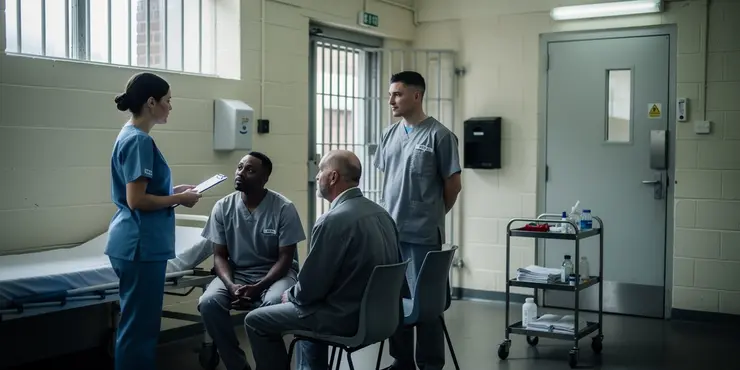
The provision of health services in UK prisons is a critical component of the justice system, ensuring that individuals who are incarcerated receive necessary medical care. This is important not only for the well-being of prisoners but also for public health outcomes, as the vast majority of inmates eventually rejoin society. Health services in prisons are designed to address both immediate medical needs and ongoing health conditions, ensuring continuity of care with community health services.
Structure of Healthcare in Prisons
In the UK, prison healthcare is primarily the responsibility of the National Health Service (NHS). Since the transfer of responsibility from the Prison Service to the NHS in 2006, there has been a concerted effort to standardize and improve the quality of healthcare received by prisoners. The NHS delivers health services in prisons through dedicated health teams that include doctors, nurses, mental health specialists, and support staff.
Types of Health Services Provided
Prison health services encompass a wide range of care comparable to what is available in the community. This includes general medical and dental services, mental health care, substance misuse treatment programs, and preventive services like vaccinations and health screenings. Mental health services are particularly crucial given the high prevalence of mental health issues among the prison population. Specialized programs are also in place to address infectious diseases, such as tuberculosis and HIV, which tend to have higher rates in the prison setting.
Mental Health and Substance Misuse
Mental health care is a significant component of prison health services, responding to conditions ranging from anxiety and depression to more severe mental health disorders. Services are often integrated with substance misuse treatment, as many individuals in prison experience overlapping challenges in these areas. Programs are in place to support detoxification, rehabilitation, and the management of addiction, focusing on recovery and reducing recidivism.
Challenges in Providing Healthcare
Despite efforts to deliver comprehensive healthcare in prisons, several challenges persist. Overcrowding can strain health services, making access to timely care more difficult. Additionally, there can be barriers in ensuring continuity of care when prisoners are released, which can adversely affect the management of chronic conditions and mental health. Staffing levels and retaining qualified professionals within the prison environment are ongoing concerns that impact service delivery.
Conclusion
Healthcare in UK prisons strives to meet the needs of a diverse and often vulnerable population. While significant strides have been made in aligning prison healthcare with community standards, ongoing challenges remain. Continuous improvements and collaborative efforts between the NHS, government agencies, and community organizations are vital to ensuring effective health service delivery and supporting the rehabilitation and reintegration of prisoners into society.
Introduction to Health Services in UK Prisons
Health services in UK prisons are very important. They help people in prison get the medical care they need. This is important for the health of people in prison and for everyone when they leave prison. Health services in prisons make sure people get help right away and get care for ongoing health problems. This care also connects with outside health services so people can keep getting the help they need.
How Healthcare Works in Prisons
In the UK, the National Health Service (NHS) looks after health in prisons. Before 2006, the Prison Service did this job, but now the NHS does. This change was made to make health care in prisons better and the same as what people get outside. In prisons, doctors, nurses, and mental health experts, along with support staff, work together as healthcare teams.
Types of Health Services Offered
Prisons provide health care just like outside communities. This includes doctor visits, dental care, mental health services, help with drugs, and preventive care such as vaccines and health checks. Mental health care is very important because many prisoners have mental health problems. Special programs also help with diseases that are more common in prisons, like tuberculosis and HIV.
Mental Health and Drug Use Issues
Mental health care is a big part of prison health services. It helps with problems like anxiety and depression. Some prisoners have serious mental health issues. These services often work together with drug treatment programs because many prisoners have both mental health and drug issues. Programs help with detoxing, rehab, and dealing with addiction. They aim to help prisoners recover and not go back to crime.
Problems in Giving Healthcare
Prisons try very hard to give good healthcare, but there are problems. Too many prisoners can make it hard for everyone to get care quickly. It is also tough to continue care when prisoners leave prison. This can make managing long-term health issues and mental health harder. Having enough staff and keeping good staff in prisons is also a challenge.
Conclusion
Healthcare in UK prisons aims to meet the needs of people who often need a lot of help. There have been many improvements to make prison healthcare like the care outside. But there are still problems to solve. The NHS, government, and other groups need to keep working together to improve health services. This helps prisoners get better and fit back into society.
Frequently Asked Questions
Health services in prison are typically initiated through a health screening upon intake, which assesses inmates for any immediate medical needs.
Yes, prisons usually employ or contract with healthcare professionals, such as doctors, nurses, and mental health specialists, to provide care to inmates.
Prisons provide a range of medical services including general healthcare, emergency care, chronic disease management, mental health services, and dental care.
Inmates typically access healthcare services through a sick call request process, where they submit a request to see a healthcare provider.
In some jurisdictions, inmates may be required to pay a small co-pay for non-emergency healthcare services, although emergency care is typically free.
Medications prescribed to inmates are dispensed by the prison pharmacy and delivered to inmates either directly or through medication call lines.
In case of a medical emergency, prison staff will contact medical professionals on site or transport the inmate to a local hospital for immediate care.
Yes, many prisons offer mental health services such as counseling, psychiatric evaluations, and treatment for mental health disorders.
Prisons implement protocols to manage contagious diseases, including isolation, medical treatment, and sometimes quarantine measures to prevent outbreaks.
Yes, preventive measures such as vaccinations, health education, and screenings for diseases like tuberculosis and HIV are often part of prison healthcare.
If medically necessary, inmates may be taken to outside specialists or hospitals for advanced or specialized medical care.
Chronic conditions such as diabetes and hypertension are managed through regular check-ups, medication, and diet management.
Yes, most prisons offer dental care including routine cleanings, fillings, and extractions when necessary.
Inmates' healthcare information is protected by medical privacy regulations, though there are some exceptions related to safety and security.
Correctional officers assist in facilitating access to healthcare by escorting inmates to medical appointments and responding to medical emergencies.
Prisons often have specific healthcare services for elderly inmates, including management of age-related conditions and mobility assistance.
The quality of prison healthcare is monitored through internal audits, accreditation bodies, and sometimes external oversight by governmental agencies.
Prison health services are generally expected to meet community healthcare standards, though challenges and limitations can affect their delivery.
Inmates generally have the right to refuse medical treatment, although there are exceptions, particularly if refusal poses a risk to others or prison security.
Prison healthcare is funded through government budgets allocated for corrections and sometimes supplemented by grants or external partnerships.
When someone goes to prison, the health team checks them at the start. This check helps find out if they need any quick medical help.
Yes, prisons have doctors, nurses, and mental health helpers to take care of the people who live there.
Prisons have doctors and nurses to help people. They can help if you're sick, have an emergency, need medicine for a long-time illness, feel sad or worried, or need your teeth checked.
People in prison can see a doctor or nurse. They need to ask first. This is called a sick call request. They write down that they want to see a healthcare person.
In some places, people in jail might need to pay a little money when they see the doctor for non-emergency problems. But if it's an emergency, they usually don't have to pay.
Prison doctors give medicine to people in prison. The prison pharmacy gets the medicine ready. Then, they give the medicine to the people in prison. Sometimes, the people get their medicine from special lines where they go to pick it up.
If someone gets very sick or hurt in prison, the staff will call doctors or nurses who work there, or they will take the person to a nearby hospital to get help right away.
Yes, lots of prisons help with mental health. They have talking sessions, check-ups, and treatment for mental health problems.
If you need extra help to understand, you can try using tools like text-to-speech software or ask someone to read it with you.
Prisons have rules to stop the spread of diseases. They do things like keeping sick people away from others, giving them medicine, and sometimes keeping them alone to make sure diseases don't spread.
Yes, people in prison can get help to stop them from getting sick. They can get shots, learn about health, and get checked to see if they have diseases like TB or HIV.
If someone in prison needs special medical help, they can go to doctors or hospitals outside the prison.
Long-lasting health problems like diabetes and high blood pressure are taken care of with regular doctor visits, medicine, and healthy eating.
Yes, most prisons have a dentist. They help with cleaning teeth, fixing cavities, and pulling out teeth if needed.
People in prison have a right to keep their health information private. There are laws that protect this information. But sometimes, for safety reasons, some information might be shared.
Correctional officers help people in prison get to their doctor appointments. They also help in case of a medical emergency.
Prisons have special healthcare help for older people. This includes taking care of health problems that come with getting older and helping them move around if they need it.
People check how good healthcare is in prisons. They do this in a few ways. First, people inside the prison do regular checks. Then, special groups give out awards if the healthcare is good. Sometimes, government groups from outside come to check too. These checks make sure everyone gets the help they need.
Health care in prison should be as good as health care outside of prison. But, sometimes it is hard to make this happen.
People in prison usually can say no to medical help. But sometimes they can't say no if it would be dangerous for others or cause problems in the prison.
Money for healthcare in prisons comes from the government. This money is part of a budge that pays for looking after people in prison. Sometimes prisons get extra money from special gifts or by working with other groups.

Ergsy Search Results
This website offers general information and is not a substitute for professional advice.
Always seek guidance from qualified professionals.
If you have any medical concerns or need urgent help, contact a healthcare professional or emergency services immediately.
Some of this content was generated with AI assistance. We've done our best to keep it accurate, helpful, and human-friendly.
- Ergsy carefully checks the information in the videos we provide here.
- Videos shown by Youtube after a video has completed, have NOT been reviewed by ERGSY.
- To view, click the arrow in centre of video.
- Most of the videos you find here will have subtitles and/or closed captions available.
- You may need to turn these on, and choose your preferred language.
- Go to the video you'd like to watch.
- If closed captions (CC) are available, settings will be visible on the bottom right of the video player.
- To turn on Captions, click settings.
- To turn off Captions, click settings again.