
Speak To An Expert
Get clear, personalised advice for your situation.
Jot down a few questions to make the most of your conversation.
Introduction to Care Homes
Care homes in the UK offer a range of services tailored to meet the needs of older adults and those requiring additional support due to physical or cognitive impairments. These facilities aim to provide a safe and supportive environment where individuals can maintain their quality of life.
Residential Care Services
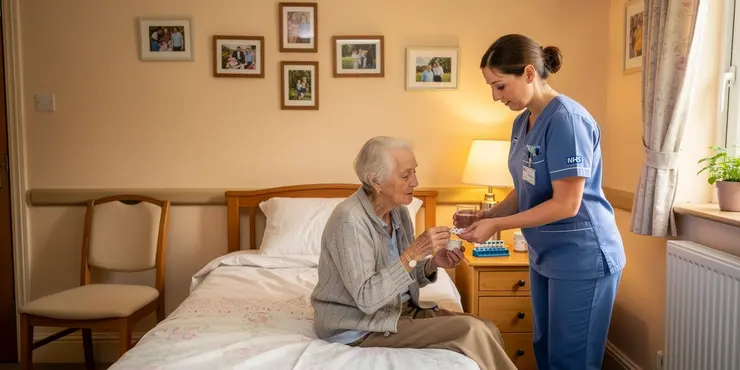
Residential care homes provide accommodation, meals, and personal care for those who cannot live independently. Staff are available 24/7 to assist with daily tasks such as bathing, dressing, and medication management. This type of care is ideal for individuals who do not require nursing care but need help with personal care and daily activities.
Nursing Care Services
Nursing care homes, also known as care homes with nursing, cater to individuals with more complex health needs. These homes have registered nurses on staff providing medical care and monitoring. This service is suitable for people with chronic illnesses or disabilities requiring regular medical attention and specialist care equipment.
Dementia Care Services
Specialist dementia care homes offer tailored services for individuals with Alzheimer's disease or other types of dementia. These homes are equipped with specially trained staff and facilities designed to support those with cognitive impairments. The aim is to provide a secure and structured environment that minimizes confusion and distress.
Respite and Short-Term Stays
Care homes also offer respite and short-term care services. These services provide temporary relief for caregivers by offering professional care for their loved ones for a few days or weeks. This can also be beneficial for individuals recovering from hospital stays who require transitional care before returning home.
End-of-Life and Palliative Care
Many care homes provide compassionate end-of-life care, focusing on comfort and quality of life for individuals with terminal illnesses. Palliative care services are designed to manage pain and other symptoms while offering emotional and spiritual support to residents and their families during these challenging times.
Recreational and Social Activities
Care homes emphasize the importance of social interaction and engagement by offering a range of recreational activities. These may include exercise classes, arts and crafts, gardening, and social events. Such activities aim to enhance residents' physical and mental well-being while fostering a sense of community.
Conclusion
Care homes in the UK provide a comprehensive suite of services to support the diverse needs of their residents. From personal and nursing care to specialized services for dementia and end-of-life care, these facilities play a crucial role in ensuring the health, safety, and well-being of older adults in their care.
Introduction to Care Homes
In the UK, care homes help older people and those who need extra support. They make sure people are safe and happy. Care homes help people live well.
Residential Care Services
Residential care homes are places where people can live, eat, and get care. They help people who cannot live on their own. Staff are there all the time to help with washing, dressing, and taking medicine. This type of home is good for people who do not need hospital care but need help in daily life.
Nursing Care Services
Nursing care homes help people with more serious health problems. Nurses are available to give medical care. These homes are for people who need regular medical help and special equipment.
Dementia Care Services
Dementia care homes are for people with memory problems like Alzheimer’s. These homes have trained staff and special facilities to help with confusion and distress. They provide a safe and calm place.
Respite and Short-Term Stays
Sometimes care homes offer short stays. This helps families take a break while their loved ones are cared for by professionals. It is also good for people who need some care after leaving the hospital before going back home.
End-of-Life and Palliative Care
Care homes offer end-of-life care to comfort people with serious illnesses. The goal is to manage pain and support both the residents and their families emotionally and spiritually during tough times.
Recreational and Social Activities
Care homes have fun activities like exercise, arts, gardening, and parties. These activities help people stay active, make friends, and feel part of a community.
Conclusion
Care homes in the UK offer many services for the needs of older adults. They provide personal care, nursing, dementia care, and end-of-life care. These homes are important for the health and happiness of their residents.
Frequently Asked Questions
Care homes provide accommodation, personal care, meals, social activities, and assistance with daily living tasks.
Some care homes offer basic medical services, while others have skilled nursing facilities for more comprehensive medical care.
Many care homes offer rehabilitation services like physical therapy, occupational therapy, and speech therapy.
Personal care assistance includes help with bathing, dressing, grooming, and toileting.
Yes, care homes usually provide three nutritious meals a day, along with snacks and dietary accommodations.
Care homes often provide a range of social activities such as arts and crafts, games, outings, and exercise classes.
Care homes offer housekeeping services including cleaning, laundry, and maintenance.
Some care homes provide transportation for medical appointments, shopping, and social events.
Care homes with specialized memory care services offer tailored support for residents with dementia or Alzheimer's disease.
Care homes are equipped with emergency call systems and staff trained in emergency response to ensure resident safety.
Yes, care homes typically provide medication management services to ensure proper medication administration.
Some care homes offer access to mental health professionals or counseling services to support residents' emotional well-being.
Many care homes offer respite care, providing temporary accommodation and care for short-term relief to caregivers.
Yes, care homes usually accommodate special dietary requirements such as diabetic, low-sodium, or vegetarian diets.
Care homes have security measures like secured entrances, surveillance cameras, and 24-hour staff presence.
Many care homes offer end-of-life care services or work with hospice providers to ensure comfort for terminally ill residents.
Yes, most care homes provide 24-hour care with staff available to assist residents at all times.
Many care homes offer access to spiritual or religious services and support to meet the faith-based needs of residents.
Residents are often encouraged to personalize their living spaces with personal items and furnishings.
Care homes employ a variety of staff, including nurses, caregivers, therapy specialists, dietary staff, and activity coordinators.
Care homes are places where people can live. They help with things like washing and dressing, give meals, and have fun activities. They also help with daily tasks.
Some care homes have simple health help. Other care homes have special nurses for more serious health help.
Many care homes help people get better. They have services like physical therapy, where you do exercises to move better. They have occupational therapy, where you learn how to do daily tasks. They also have speech therapy, where you get help to talk better.
Personal care help means getting help with things like taking a bath, getting dressed, brushing your hair, and going to the bathroom.
Some things that can help are: using picture charts to show steps, asking for reminders, or using special tools like easy-grip brushes.
Yes, care homes usually give three healthy meals every day. They also give snacks and can change meals if someone needs special food.
Care homes have lots of fun things to do. People can do arts and crafts, play games, go on trips, and join exercise classes.
Care homes help keep things clean and tidy. They do this by:
- Cleaning rooms and spaces
- Washing clothes
- Fixing things that are broken
Tools and tips that might help:
- Pictures to show jobs being done
- Simple checklists to follow
- Helpful labels and signs
Some care homes help people get to places. They take them to the doctor, the shops, and fun activities.
Care homes with special memory care help people with dementia or Alzheimer's disease. They give the right kind of support.
Care homes have special buttons to call for help in an emergency. The people who work there know what to do to keep everyone safe.
Yes, care homes help with medicines. They make sure people take the right medicine at the right time.
Some care homes have special people who help with feelings. These people are experts and talk to residents to make them feel better.
Many care homes help take care of people when their usual caregivers need a short break. This is called respite care. People can stay there for a little while, and the caregivers can rest.
Yes, care homes can make special food if you need it. This means they can give you food for diabetes, food with less salt, or food with no meat.
If you have food needs, it is important to tell the people at the care home.
Here are some tips to help:
- Use pictures or symbols to show the food you need.
- Ask someone to help you talk to the care home staff.
- Use tools like a food chart to keep track of what you eat.
Care homes have ways to keep people safe. They have doors that lock, cameras to watch what is happening, and staff who are there all day and night.
Lots of care homes help people who are very sick and might be close to dying. They make sure these people are comfortable. Sometimes care homes work with special places called hospices to do this.
Yes, most care homes help people all the time. There are workers there day and night to help if you need it.
Lots of care homes help people with their faith. They have services where people can pray or talk about their beliefs. This helps everyone feel good and happy.
People are often told they can make their homes special by using their own things and furniture.
People who work in care homes do different jobs. Some are nurses, some are caregivers, and some help with therapy. Some people plan what food everyone eats, and others plan fun activities.

Ergsy Search Results
This website offers general information and is not a substitute for professional advice.
Always seek guidance from qualified professionals.
If you have any medical concerns or need urgent help, contact a healthcare professional or emergency services immediately.
Some of this content was generated with AI assistance. We've done our best to keep it accurate, helpful, and human-friendly.
- Ergsy carefully checks the information in the videos we provide here.
- Videos shown by Youtube after a video has completed, have NOT been reviewed by ERGSY.
- To view, click the arrow in centre of video.
- Most of the videos you find here will have subtitles and/or closed captions available.
- You may need to turn these on, and choose your preferred language.
- Go to the video you'd like to watch.
- If closed captions (CC) are available, settings will be visible on the bottom right of the video player.
- To turn on Captions, click settings.
- To turn off Captions, click settings again.