
Get Answers
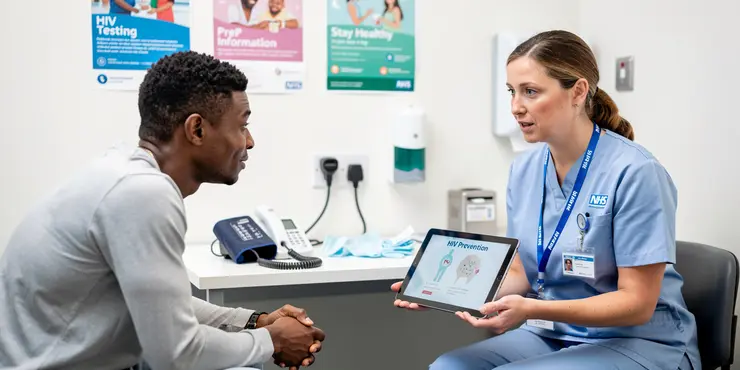
Understanding HIV Prevention
Human Immunodeficiency Virus (HIV) is a serious health condition that affects countless people globally. Fortunately, there are effective strategies to prevent its transmission. By understanding these methods, individuals in the UK can take proactive steps to protect their health and that of others.
Safe Sexual Practices
One of the most common ways HIV is transmitted is through unprotected sexual contact. Using condoms correctly during vaginal, anal, or oral sex significantly reduces the risk of HIV and other sexually transmitted infections (STIs). It is essential to use condoms consistently and correctly every time you engage in sexual activities. Additionally, reducing the number of sexual partners can further decrease the likelihood of exposure to HIV.
Pre-Exposure Prophylaxis (PrEP)
PrEP is a medication taken by HIV-negative individuals to prevent infection. When taken daily, PrEP is highly effective in reducing the risk of contracting HIV from sexual contact and injection drug use. In the UK, PrEP is available on the NHS for those who are at high risk of HIV, such as individuals with an HIV-positive partner or those who frequently engage in sexual activities without protection.
Post-Exposure Prophylaxis (PEP)
PEP is an emergency medication taken after possible exposure to HIV. It is most effective when started within 72 hours of exposure and involves taking antiretroviral medicines for 28 days. PEP is available in NHS clinics and is intended for emergency situations, such as after unprotected sex or potential exposure through needle sharing.
Regular Testing and Early Diagnosis
Regular HIV testing is crucial for early detection and prevention. In the UK, free and confidential testing is available through sexual health clinics, GP surgeries, and community organizations. Early diagnosis allows individuals to begin treatment promptly, reducing the risk of transmission to others and improving health outcomes. Regular testing is particularly important for those who have multiple sexual partners or engage in activities that increase their risk of HIV.
Harm Reduction for Drug Users
For individuals who inject drugs, using clean needles and syringes is critical in preventing HIV. Many cities in the UK have needle and syringe programs that provide sterile equipment and disposal services. Moreover, substance misuse treatment services can offer support and alternatives to injection drug use, further reducing the risk of HIV transmission.
Addressing Stigma and Building Awareness
Reducing stigma around HIV is essential in encouraging people to seek testing and treatment. Education and awareness campaigns play a vital role in dispelling myths about HIV and promoting understanding about how it is transmitted and prevented. By fostering an open, supportive environment, communities can enhance prevention efforts and support those affected by HIV.
Conclusion
Prevention of HIV involves a combination of safe practices, medical interventions, and societal support. Through education, accessible healthcare, and a commitment to reducing stigma, the UK can continue to make significant strides in preventing the spread of HIV.
Understanding HIV Prevention
HIV is a virus that can make people very sick. It affects many people around the world. Luckily, there are ways to stop HIV from spreading. In the UK, people can learn about these methods to keep themselves and others safe.
Safe Sexual Practices
HIV can spread through sex without protection. Using condoms every time you have sex can help stop HIV and other illnesses. It is very important to use condoms the correct way each time. Having fewer partners can also lower the risk of getting HIV.
Pre-Exposure Prophylaxis (PrEP)
PrEP is a pill that people who do not have HIV can take to stay safe. If you take it every day, PrEP works well to prevent HIV. In the UK, people who have a higher chance of getting HIV can get PrEP from the NHS. This includes people with partners who have HIV or those who often have sex without protection.
Post-Exposure Prophylaxis (PEP)
PEP is a medicine for emergencies. You take it if you might have come into contact with HIV. PEP works best if you start it within 3 days (72 hours) after possible contact. You take the medicine for 28 days. In the UK, you can get PEP from NHS clinics in emergency situations, like after unsafe sex.
Regular Testing and Early Diagnosis
Getting tested for HIV is important. In the UK, you can get a free and private test at health clinics, GP surgeries, or community centers. Knowing your HIV status early helps you get treatment faster. This means you can stay healthier and help stop HIV from spreading to others. Testing is very important if you have many sexual partners.
Harm Reduction for Drug Users
If you use drugs with needles, use clean ones each time to avoid HIV. Many UK cities have programs that give clean needles to keep people safe. These places can also help people find other ways to use drugs that do not involve needles, lowering the risk of HIV.
Addressing Stigma and Building Awareness
It is important to fight against the unfair treatment of people with HIV. Learning the truth about HIV and talking about it helps everyone understand how HIV spreads and how to prevent it. By being supportive, communities help others feel safe to get tested and treated.
Conclusion
Stopping HIV means using safe habits, getting healthcare help, and supporting each other. With education and healthcare, people in the UK can help reduce HIV and support those living with it.
Frequently Asked Questions
The most effective way to prevent HIV is to abstain from vaginal, anal, or oral sex.
Consistent and correct use of latex condoms during sexual intercourse can greatly reduce the risk of HIV transmission.
PrEP (Pre-exposure prophylaxis) is a daily medication that can significantly reduce the risk of HIV infection in people at high risk.
Getting tested for HIV helps individuals know their status, reduce the risk of transmission, and access treatment if necessary.
Studies suggest that male circumcision can reduce the risk of heterosexual male HIV transmission by about 60%.
Currently, there is no HIV vaccine, but research is ongoing to develop one.
Needle exchange programs reduce the risk of HIV transmission by providing clean needles to people who inject drugs.
Yes, regular STI screening helps detect and treat infections that increase the risk of acquiring or transmitting HIV.
TasP involves using antiretroviral treatment to lower the viral load in people with HIV, reducing the chance of transmission.
Education about safe sex practices, HIV transmission, and prevention methods is crucial in reducing the spread of HIV.
Yes, avoiding the sharing of items like razors, toothbrushes, and needles can prevent HIV transmission.
PEP (Post-exposure prophylaxis) is a treatment that should be started within 72 hours after potential HIV exposure to prevent infection.
Yes, treating STIs can reduce the risk of HIV transmission by lowering inflammation and open sores that facilitate entry of the virus.
While the risk is lower, HIV can still be transmitted during oral sex, so using protection or barriers is safer.
Ensuring blood products are screened for HIV helps prevent transmission through blood transfusions.
HIV can be passed from mother to child through breast milk, so safe feeding alternatives are recommended for HIV-positive mothers.
HIV is not spread through casual contact such as hugging, shaking hands, or sharing utensils.
Reducing alcohol and drug use can lower the likelihood of engaging in risky behaviors that increase the risk of HIV transmission.
HIV transmission is possible if unsterilized needles or equipment are used for tattoos or piercings.
Using sterile medical equipment helps prevent the transmission of HIV and other bloodborne pathogens.
The best way to stop getting HIV is not to have sex.
Using latex condoms the right way every time you have sex can help stop the spread of HIV.
PrEP is a pill that you take every day. It helps keep you from getting HIV. If you are someone who might get HIV, this pill can help keep you safe.
Testing for HIV can help you find out if you have the virus. Then you can stop it spreading to others and get medicine if you need it.
Some studies say that if a boy or a man gets circumcised, it can make it much harder for him to get HIV from a woman. It makes it 60% harder.
There is no vaccine for HIV right now, but scientists are working hard to make one.
Needle exchange programs help keep people safe from getting HIV. They give clean needles to people who use needles to take drugs.
Yes, getting tested for infections, like STIs, can help doctors find and treat them before they cause problems. This can lower the chance of getting or spreading HIV.
TasP means taking medicine to help people with HIV. This medicine makes the HIV virus very small. It helps stop passing the virus to others.
Learning about how to have safe sex, how HIV spreads, and how to stop it is very important. This helps stop more people from getting HIV.
Yes, if we don't share things like razors, toothbrushes, and needles, it helps stop the spread of HIV.
PEP is a medicine you take after you might have been around HIV. You need to start it within 3 days to stop getting sick.
Yes, treating infections like STIs (Sexually Transmitted Infections) can help lower the chance of getting HIV. It does this by healing the soreness and cuts that make it easier for HIV to get into the body.
There is a small chance of getting HIV from oral sex. It's safer to use protection, like a condom or dental dam.
Checking blood for HIV makes it safe and stops people from getting the virus through blood donations.
Moms with HIV can give the virus to their babies through breast milk. To keep babies safe, moms with HIV should use other ways to feed their babies.
If you know someone who needs help understanding this, you can use pictures or simple charts to explain. Talking to a doctor or nurse can also help.
HIV does not spread by hugging, shaking hands, or sharing forks and spoons.
Drinking less alcohol and taking fewer drugs can help you make safer choices. This means you will be less likely to do things that could give you HIV.
Here are some things you can do:
- Talk to someone you trust about why you want to drink or use drugs less.
- Try to find activities you enjoy that don't involve alcohol or drugs.
- Ask for help or support if you find it hard to stop drinking or using drugs.
You can catch HIV if the needles or tools used for tattoos or piercings are not clean.
Using clean medical tools stops the spread of HIV and other germs that can be passed through blood.

Ergsy Search Results
This website offers general information and is not a substitute for professional advice.
Always seek guidance from qualified professionals.
If you have any medical concerns or need urgent help, contact a healthcare professional or emergency services immediately.
Some of this content was generated with AI assistance. We've done our best to keep it accurate, helpful, and human-friendly.
- Ergsy carefully checks the information in the videos we provide here.
- Videos shown by Youtube after a video has completed, have NOT been reviewed by ERGSY.
- To view, click the arrow in centre of video.
- Most of the videos you find here will have subtitles and/or closed captions available.
- You may need to turn these on, and choose your preferred language.
- Go to the video you'd like to watch.
- If closed captions (CC) are available, settings will be visible on the bottom right of the video player.
- To turn on Captions, click settings.
- To turn off Captions, click settings again.