
Get Answers
Introduction
Brexit, the United Kingdom's decision to leave the European Union, has led to widespread speculation and concern about its impact on various sectors, including healthcare. One area of interest for many UK residents is how Brexit might affect access to NHS dental treatments. Understanding these potential impacts is crucial for those relying on NHS dental services.
The NHS and Brexit
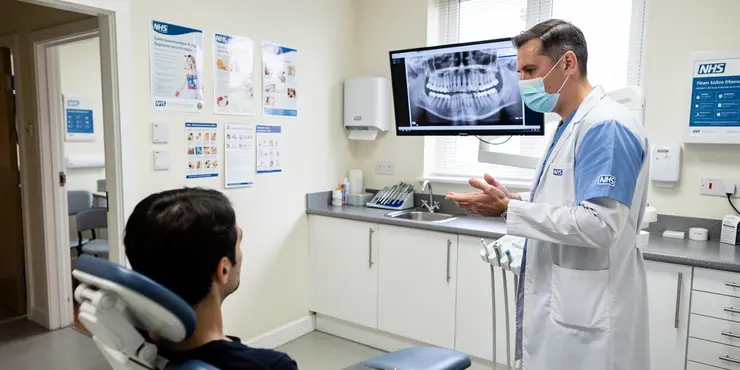
The National Health Service (NHS) is a key institution in the UK, providing healthcare services funded by public taxation. NHS dental treatments are part of this system, offering dental care at subsidized rates. As Brexit has brought changes to various regulations and policies, it's natural to question whether such changes might affect NHS services.
Supply Chain and Workforce Considerations
One immediate area of concern regarding NHS dental services post-Brexit is the potential impact on the supply chain and workforce. The UK has historically depended on European imports for dental equipment and supplies. Following Brexit, changes in trade agreements could affect the availability and cost of these materials, potentially impacting the provision of dental care.
Similarly, the workforce of the NHS, including dental professionals, has included many EU nationals. With changes to immigration rules, there could be challenges in recruiting and retaining these vital staff members. However, the UK government has taken steps to ensure that EU staff already working in the NHS can continue to do so, mitigating some concerns.
Regulatory Changes
Brexit may also lead to divergence in regulatory standards between the UK and the EU. This could affect the approval and use of dental products and technologies. However, it is expected that the UK will maintain high standards for dental care, and any regulatory changes are likely to be implemented gradually, minimizing immediate disruption to NHS dental services.
Patient Access and Affordability
For patients, the main concern is whether Brexit will directly affect access to or the cost of NHS dental treatments. As of now, there is no indication that Brexit will alter the funding or availability of NHS dental care. NHS services are domestically funded, and the UK government has committed to maintaining access to healthcare post-Brexit. However, there might be indirect effects if economic factors influence public funding or resource allocation in the long term.
Conclusion
In summary, while Brexit introduces certain uncertainties, immediate effects on access to NHS dental treatments appear limited. Key concerns focus on supply chain, workforce, and regulatory impacts which the UK is actively managing. Patients can expect NHS dental services to continue largely unchanged, although ongoing monitoring of the situation is advisable as the full implications of Brexit unfold over time.
Introduction
Brexit means the United Kingdom (UK) leaving the European Union (EU). People are worried about how this will affect different areas, like healthcare. A big question is how Brexit might change NHS dental care. Knowing what might happen is important for those using NHS dental services.
The NHS and Brexit
The National Health Service (NHS) is very important in the UK. It gives health services paid for by taxes. NHS dental care is part of this and offers cheaper dental services. Because Brexit changes some rules and laws, people are asking if it will affect NHS services.
Supply Chain and Workforce Considerations
One worry is how Brexit might change the supply of dental tools and workers. The UK used to get dental supplies from Europe. After Brexit, new trade rules might make these supplies more expensive or harder to get, affecting dental care.
Many NHS workers, including dental staff, come from EU countries. New UK immigration rules might make it hard to hire and keep these workers. But, the UK wants to keep EU staff who already work in the NHS, which helps solve this problem.
Regulatory Changes
Brexit might change rules about dental products and technology in the UK and EU. But, the UK plans to keep high dental care standards. Any changes in rules will probably be slow, so there might not be a big impact on NHS dental services right away.
Patient Access and Affordability
Patients mostly worry if Brexit will change their access to NHS dental care or how much it costs. Right now, Brexit does not seem to change NHS dental funding or access. NHS is funded within the UK, and the UK government wants to keep healthcare available after Brexit. But, future changes in the economy might affect funding.
Conclusion
In short, Brexit brings some unknowns, but it does not seem to affect NHS dental access much right now. Main worries are about supplies, workers, and rules, which the UK is working on. Patients should still be able to use NHS dental services as usual but keep watching how things develop after Brexit.
Frequently Asked Questions
Brexit may not directly impact your ability to receive NHS dental treatments as these are offered to residents of the UK regardless of EU membership status.
There have been no Brexit-related changes to NHS dental charges. Any fee changes would be a result of domestic policy decisions.
If you are legally resident in the UK, your eligibility for NHS dental care remains unaffected by Brexit.
Brexit could potentially affect the workforce in the NHS, including dental staff, but the NHS is working to mitigate any impacts on service delivery.
EU nationals who are legally residing in the UK can still access NHS dental services post-Brexit.
There is currently no evidence to suggest that Brexit will affect the quality of NHS dental treatments directly.
Brexit could affect the supply chain of dental materials and equipment, but steps are being taken to ensure that there are no disruptions.
NHS recruitment policies are evolving to ensure a skilled workforce remains, irrespective of Brexit.
Brexit itself does not directly impact wait times, but any related staffing or supply chain issues could have indirect effects.
The NHS has been providing updates and guidance as necessary to ensure patients are informed of any changes due to Brexit.
The UK can adjust its regulations post-Brexit, but core standards for safety and care will remain consistent with high quality.
You should contact your local NHS authority or your dental practice for advice if you experience any difficulties.
Brexit may alter arrangements for cross-border healthcare, but NHS dental services in the UK remain accessible to eligible residents.
There are no indications that Brexit will change how NHS dental care is prioritized; treatments are based on clinical need.
Future agreements could impact various sectors, including healthcare, but core NHS services are designed to remain stable.
While NHS funding comes from UK government budgets, any Brexit effects on the broader economy might indirectly influence NHS funding levels.
Private dental services may have different challenges, particularly regarding the supply of materials and workforce, compared to NHS services.
Access to information remains unaffected; organizations continue to provide up-to-date guidance for patients.
Returning UK citizens can access NHS dental services if they meet residency criteria for NHS care eligibility.
While Brexit may affect collaboration and education ties with the EU, the UK maintains strong domestic dental educational institutions.
Brexit does not stop you from getting NHS dental care. If you live in the UK, you can still go to the dentist. It doesn't matter whether the UK is in the EU or not.
Brexit has not changed the prices for going to the dentist under the NHS. If prices do change, it is because of decisions made here in the UK.
If you live in the UK and have permission to stay, you can still go to the NHS dentist after Brexit.
Brexit might change how many people work in the NHS, like doctors and dentists. But the NHS is making plans to make sure it all runs well.
People from EU countries who live legally in the UK can still go to the dentist with the NHS after Brexit.
Right now, there is no sign that Brexit will change how good NHS dental treatments are.
Brexit might change how we get dental tools and supplies, but people are working hard to make sure there are no problems.
NHS hiring rules are changing to make sure they have good workers, even with Brexit happening.
Brexit does not make waiting times longer by itself. But Brexit might make it harder to have enough workers or supplies, and this could make waiting times longer.
The NHS is sharing news and help so people know what is happening with Brexit. They want to make sure everyone understands if things change.
After Brexit, the UK can change some of its rules. But the main rules for safety and care will stay the same. They will still be very good.
If you have any problems, talk to your dentist or your local NHS office. They can help you.
Brexit might change how healthcare works between countries, but people who can use the NHS in the UK can still get dentist care.
Brexit will not change how the NHS decides who gets dental care. They still help people based on who needs it most.
Future deals might change different areas, like healthcare. But the main NHS services should stay the same.
The NHS gets its money from the UK government. But if Brexit changes the UK economy, it might change how much money the NHS gets.
Tools and tips:
- Ask someone for help if you find this hard to understand.
- Use simple word guides to learn new words.
- Take breaks if you feel tired while reading.
Private dentists can have different problems. They might have trouble getting enough materials and workers. This can be different from what dentists working for the NHS face.
Helpful Tips:
- Try using pictures or videos to learn more.
- Break down information into small parts to understand better.
- Ask someone to explain in simple words if you're confused.
People can still get information. Groups will keep giving new advice to help patients.
If you are moving back to the UK, you can see an NHS dentist. You just need to live in the UK and meet some rules.
Brexit might change how the UK works with the EU in schools and projects. But the UK still has great dental schools at home.

Ergsy Search Results
This website offers general information and is not a substitute for professional advice.
Always seek guidance from qualified professionals.
If you have any medical concerns or need urgent help, contact a healthcare professional or emergency services immediately.
Some of this content was generated with AI assistance. We've done our best to keep it accurate, helpful, and human-friendly.
- Ergsy carefully checks the information in the videos we provide here.
- Videos shown by Youtube after a video has completed, have NOT been reviewed by ERGSY.
- To view, click the arrow in centre of video.
- Most of the videos you find here will have subtitles and/or closed captions available.
- You may need to turn these on, and choose your preferred language.
- Go to the video you'd like to watch.
- If closed captions (CC) are available, settings will be visible on the bottom right of the video player.
- To turn on Captions, click settings.
- To turn off Captions, click settings again.