
Get Answers
Understanding NHS Dentistry for Patients with Special Needs
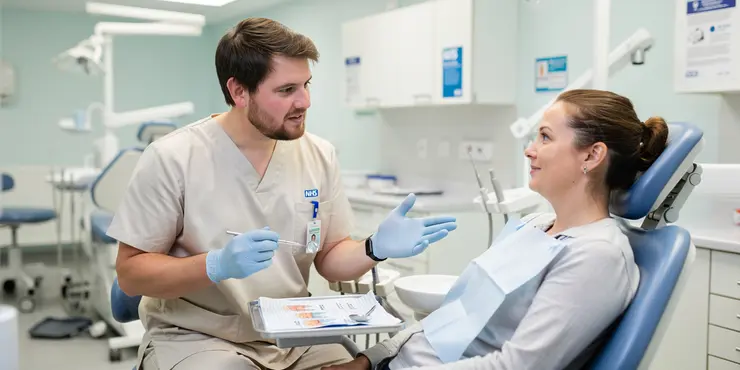
The National Health Service (NHS) in the UK provides dental care for all, including patients with special needs. It's important for individuals and families navigating the healthcare system to understand the options available for those requiring specialized dental care. NHS dentists are equipped to handle a variety of special needs and disabilities, ensuring that everyone receives appropriate oral healthcare.
What Constitutes Special Needs in Dentistry?
Special needs in dentistry might include physical impairments, developmental disabilities, mental health issues, or complex medical conditions that require tailored dental treatments. Patients with special needs often require accommodations or adjustments in their treatment plans to ensure a conducive and comfortable environment for dental care. Understanding and addressing these requirements is essential for improving oral health outcomes in this population.
Availability of NHS Dentists for Special Needs Patients
The NHS aims to provide inclusive dental services, and many NHS dental practices across the UK are equipped to treat patients with special needs. It's crucial for patients or their carers to communicate specific requirements to the dental practice, helping them make necessary arrangements. While not every practice may have specialized facilities or expertise, they can often refer patients to a practice that does.
Specialized Services and Facilities
Some NHS dental practices have additional facilities or specially trained staff to cater to patients with special needs. These might include wheelchair-accessible surgeries, adapted equipment, and clinicians trained in various special care dentistry techniques. There are also community dental services designed to help patients who cannot be treated in general dental practices due to complex needs. These services provide mobile dental units, home visits, and collaborate with other healthcare providers to offer comprehensive care.
Referrals and Finding the Right Dentist
Locating an NHS dentist specializing in special needs care can sometimes be challenging. However, referrals from general practitioners, local health services, or community organizations can be instrumental in finding the right care. Websites like NHS Choices allow patients to search for local dental practices and filter results based on specific needs, ensuring they find practices capable of accommodating them.
Importance of Communication and Education
Effective communication between the dental team, patients, and carers is vital. Educating dental teams about the specific requirements and potential challenges of treating patients with special needs can significantly enhance the quality of care. Patients and carers are encouraged to provide detailed information about the individual's needs prior to the appointment to allow the dental team to prepare accordingly.
Conclusion
The NHS is committed to providing dental services accessible to everyone, including patients with special needs. Through appropriate accommodations, specialized services, and effective communication, individuals with special needs can receive the dental care they require. It is essential to explore local resources and engage with dental professionals to ensure that the oral health needs of these patients are met with dignity and respect.
Understanding NHS Dentistry for Patients with Special Needs
The NHS in the UK helps everyone look after their teeth, including people with special needs. It's important for families to know how to get this help. NHS dentists are trained to help people with different needs, ensuring everyone can have healthy teeth.
What Does Special Needs Mean in Dentistry?
In dentistry, special needs might mean needing extra help because of physical challenges, learning disabilities, mental health issues, or other health problems. People with special needs sometimes need their dental treatment to be a bit different. This makes it easier and more comfortable for them to get dental care. Knowing what they need helps make their teeth healthy.
Finding NHS Dentists for Special Needs Patients
The NHS wants to make sure everyone can get dental care. Many NHS dentists can help people with special needs. It's important for patients or their carers to tell the dental practice what they need. If a practice can't help, they can often suggest another place that can.
Special Services and Facilities
Some NHS dental practices have special facilities or trained staff to help people with special needs. This might mean wheelchair-friendly rooms, special tools, and dentists who know how to give special care. There are also community dental services for people who need extra help. These services might visit patients at home or work together with other healthcare services.
How to Find the Right Dentist
It can be tricky to find the right dentist for special needs care, but there are ways to get help. Doctors, local health services, or community groups might help find the right dentist. Websites like NHS Choices can help you search for local dentists and find one that suits your needs.
The Importance of Talking and Learning
Good communication between the dental team, patients, and carers is very important. Teaching the dental team about special needs helps them provide better care. Patients and carers should tell the dentist about any special needs before the visit, so they can get ready to help.
Conclusion
The NHS wants to make sure everyone, including people with special needs, can get dental care. By making the right changes, offering special services, and talking clearly, people with special needs can get the care they need. It's important to find local help and work with dentists to make sure these patients are treated with fairness and care.
Frequently Asked Questions
NHS dentists for patients with special needs provide dental care adapted for people who may need extra time, communication support, physical assistance, behaviour support, sedation, or specialist referral. They aim to make treatment accessible, safe, and as comfortable as possible.
Eligibility for NHS dentists for patients with special needs is based on a patient’s clinical needs and the availability of suitable NHS services. People with physical disabilities, learning disabilities, autism, severe anxiety, complex medical conditions, or sensory impairments may be able to access adapted NHS dental care.
You can find NHS dentists for patients with special needs by contacting local NHS dental practices, asking your GP, care team, social worker, or hospital specialist, or using your local NHS dentistry information service. It may help to explain the specific support the patient needs when you enquire.
To register with NHS dentists for patients with special needs, contact a local NHS dental practice and explain the patient’s needs before booking. Some practices may offer a new patient assessment, while others may refer you to a specialist community dental service if the patient needs more tailored support.
NHS dentists for patients with special needs can provide longer appointments, quieter environments, step-by-step explanations, visual aids, assistance with positioning, communication support, and treatment planning that reduces stress. They may also coordinate with carers or health professionals when appropriate.
Yes, some NHS dentists for patients with special needs can arrange sedation or, in certain cases, treatment under general anaesthetic if it is clinically appropriate. This depends on the patient’s needs, the complexity of treatment, and local NHS service availability.
In many cases, NHS dentists for patients with special needs will allow a carer or family member to attend the appointment if it helps with communication, comfort, or consent. The dental team will usually discuss this in advance to make sure the appointment is safe and effective.
NHS dentists for patients with special needs may use plain language, pictures, written notes, sign language support, communication passports, or input from carers and advocates. They aim to make sure the patient understands what is happening and can participate as much as possible.
Yes, children can use NHS dentists for patients with special needs if they require adapted dental care because of developmental, physical, medical, behavioural, or sensory needs. In some areas they may be referred to a community dental service or paediatric dental specialist within the NHS.
Yes, adults with learning disabilities can use NHS dentists for patients with special needs. The dental team may make reasonable adjustments such as longer visits, familiarisation appointments, extra communication support, and tailored treatment plans.
It can help to bring medication details, a list of medical conditions, details of allergies, a communication aid or passport, previous dental records if available, and contact information for carers or specialists. Bringing comfort items may also help some patients feel more at ease.
The cost of NHS dentists for patients with special needs is usually the same as standard NHS dental charges unless the patient is exempt from charges. The exact cost depends on the treatment band and whether the patient qualifies for free NHS dental care.
If a general NHS dental practice cannot meet a patient’s needs, they may refer the patient to a community dental service or a specialist NHS service. This is often the best option when the patient needs more advanced support, longer appointments, or hospital-based care.
Yes, NHS dentists for patients with special needs should make reasonable adjustments where possible, such as accessible premises, extra time, communication support, or flexible appointment arrangements. These adjustments help remove barriers to care for disabled patients.
NHS dentists for patients with special needs will usually discuss triggers, previous experiences, communication preferences, and what helps the patient feel safe. They may plan gradual visits, desensitisation, sedation options, or involve specialist services if needed.
Yes, many NHS dentists for patients with special needs can treat patients who use wheelchairs, but access varies by practice. It is important to ask about step-free entry, accessible toilets, surgery layout, and transfer support before booking.
NHS dentists for patients with special needs must seek valid consent and check whether the patient understands the proposed treatment. If a patient lacks capacity to decide, the dental team must follow the relevant legal and best-interests process and involve carers or representatives appropriately.
If a patient with special needs has a dental emergency, NHS dental practices, urgent dental care services, or hospital dental departments may be able to help depending on the situation. If there is severe swelling, breathing difficulty, or serious trauma, urgent medical help should be sought immediately.
Carers can help by sharing medical history, explaining communication preferences, preparing the patient for the visit, bringing necessary documents, and supporting calm and familiar routines. They can also help the dental team understand what makes treatment easier or more difficult for the patient.
If you cannot find NHS dentists for patients with special needs in your area, contact your local NHS dental helpline, GP, hospital team, or community dental service for advice and referral options. You can also ask whether nearby practices offer specialist clinics or whether a hospital service is more suitable.

Ergsy Search Results
This website offers general information and is not a substitute for professional advice.
Always seek guidance from qualified professionals.
If you have any medical concerns or need urgent help, contact a healthcare professional or emergency services immediately.
Some of this content was generated with AI assistance. We've done our best to keep it accurate, helpful, and human-friendly.
- Ergsy carefully checks the information in the videos we provide here.
- Videos shown by Youtube after a video has completed, have NOT been reviewed by ERGSY.
- To view, click the arrow in centre of video.
- Most of the videos you find here will have subtitles and/or closed captions available.
- You may need to turn these on, and choose your preferred language.
- Go to the video you'd like to watch.
- If closed captions (CC) are available, settings will be visible on the bottom right of the video player.
- To turn on Captions, click settings.
- To turn off Captions, click settings again.