
Get Answers
Public Transport
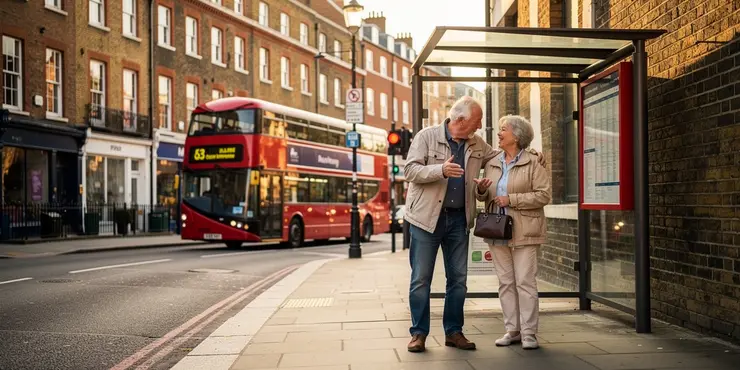
For seniors in the UK, public transport is often the first alternative to driving. Many local and intercity buses offer discounted fares for seniors through schemes such as the National Concessionary Travel Scheme, which provides free bus travel for those of pensionable age. Trains also offer concessions, and seniors can benefit from the Senior Railcard, which grants discounted rates on most rail services throughout the UK. Public transport is an excellent option for seniors to maintain their independence and mobility without the need to drive.
Community Transport Services
Many areas in the UK have community transport services specifically designed to help those who have difficulties using standard public transport. These might include dial-a-ride services or community minibuses that offer door-to-door transport. Such services are often run by local councils or charitable organisations and can be a lifeline for seniors who wish to remain active in their communities. They provide transportation to essential services, shopping centres, and social events, ensuring seniors can stay connected and engaged.
Taxi Services
Taxis provide a flexible mode of transport for seniors who no longer drive. While they may be more costly than public transport, taxis offer door-to-door service and can be particularly useful for those with mobility issues. Some councils offer taxi voucher schemes to help reduce the cost for seniors. Ride-hailing apps like Uber have also introduced features to make their services more senior-friendly, such as providing assistance with entering and exiting vehicles.
Volunteer Driver Schemes
Volunteer driver schemes are a wonderful option where volunteers offer to drive seniors to their appointments, shopping, or social events. These schemes are often run by community organisations and rely on the goodwill of volunteers. They provide not only transportation but also companionship during journeys, which can be beneficial for seniors who may feel isolated.
Mobility Scooters
For seniors with reduced mobility, mobility scooters can be an effective way to travel short distances independently. These scooters are suitable for use on pavements and in pedestrian areas. Many high streets and supermarkets in the UK offer scooter-friendly environments, and some local councils provide hiring schemes, making them accessible for short-term use.
Walking and Cycling
Walking or cycling can be a viable alternative for seniors who are able to do so. Many towns and cities have pedestrian-friendly areas and cycling lanes that promote safe travel. Additionally, electric bikes provide an added boost for more challenging journeys, making cycling accessible for older individuals. Activities like walking and cycling are not only beneficial for physical health but also mental well-being.
Public Transport
Older people in the UK can use public transport instead of driving. Buses and trains often have lower prices for seniors. There is a special card called the Senior Railcard for cheaper train travel. Public transport helps seniors go places without driving.
Community Transport Services
Some places have special transport services for those who find regular buses hard to use. These are often small buses that pick you up from home. They help seniors go shopping or attend events. Local councils and charities often run these services.
Taxi Services
Taxis are cars you can call to take you anywhere. They are good if you find buses difficult. Some councils help with taxi costs. Taxi apps like Uber also try to help seniors with things like getting in and out of cars.
Volunteer Driver Schemes
Volunteer drivers offer free rides to seniors. They help take seniors to doctor visits or shops. This service is great for company during trips. Community groups often organize these schemes.
Mobility Scooters
Seniors who find walking hard can use mobility scooters. These scooters are for short trips. Many places like shopping centers welcome scooters. Some councils let you borrow them for a little time.
Walking and Cycling
If seniors can walk or cycle, it is a good option. Many towns have safe paths for walking and cycling. Electric bikes make it easier to cycle. Walking and cycling help with staying fit and feeling good.
Frequently Asked Questions
Options include public transportation, ridesharing services, senior transportation services, volunteer driver programs, and non-emergency medical transportation.
Public transportation systems often offer reduced fares, priority seating, and wheelchair-accessible vehicles to accommodate seniors.
Ridesharing services like Uber and Lyft provide on-demand transportation through a smartphone app, offering convenience for seniors who can no longer drive.
These services are specifically designed for seniors, offering door-to-door transportation for activities such as medical appointments, shopping, and social outings.
Volunteer driver programs rely on community volunteers who offer free or low-cost rides to seniors in need of transportation.
This service provides transportation to medical appointments for seniors who require assistance getting to healthcare facilities but do not need emergency care.
Yes, many areas offer paratransit services specifically designed to assist seniors with disabilities, providing door-to-door transport.
Contact your local Area Agency on Aging or senior center for information on available transportation services in your area.
Medicaid may cover non-emergency medical transportation for eligible seniors, depending on state policies.
Transport escort services provide a companion to assist seniors during their travels, ensuring a safe and comfortable experience.
Some communities offer carpooling programs where seniors can share rides with others going to similar destinations, reducing the need for individual driving.
Many taxi services provide discounts to seniors, making it a more affordable option for those who need transportation.
Community shuttles offer scheduled routes with stops at common destinations like shopping centers and medical facilities, often with reduced fares for seniors.
Technology, like smartphone apps and online platforms, can help seniors book rides and access information about transportation options easily.
Travel training programs teach seniors how to use public transportation safely and independently, empowering them to travel more freely.
Yes, many religious organizations offer volunteer-based transportation assistance for seniors, particularly for attending services and community events.
Family members and friends can play a key role by offering rides or coordinating schedules to ensure seniors have access to transportation.
There are private companies that offer transportation services specifically tailored to seniors, focusing on safety and personalized care.
Some senior centers or government programs provide transportation vouchers that can be used for different types of rides, offering cost relief.
Ensure safety by choosing reputable services, confirming driver identity, sitting in the backseat in rideshares, and sharing trip details with a trusted person.
You can get around by using public buses and trains. You can also use services where you share a ride with others, like taxis or special apps. There are special transportation services just for older people. Some people volunteer to provide free rides, and there are services to help you get to the doctor if it’s not an emergency.
Buses and trains often help older people. They have cheaper tickets, special seats, and easy entry for wheelchairs.
Ridesharing services like Uber and Lyft help people get rides through a phone app. This is very useful for older people who can't drive anymore.
These services are made for older people. They help by giving rides from one door to another for things like going to the doctor, shopping, and seeing friends.
Volunteer driver programs have people who help drive. These volunteers give free or cheap rides to older people who need help getting around.
This service helps older people get to their doctor appointments. It is for those who need a ride but do not need an ambulance.
Yes, many places have special buses to help seniors with disabilities. These buses can pick you up at your door and drop you off where you need to go.
Call or visit your local senior center. They can tell you about rides and buses you can use nearby.
Medicaid might pay for rides to the doctor's office that are not emergencies. This help is for older people who can get Medicaid. Whether it's covered depends on the rules where you live.
Transport escort services give seniors a travel buddy. This buddy helps them feel safe and comfortable while they travel.
Some places have car sharing programs. In these programs, older people can share a ride with others who are going to the same place. This means they don’t have to drive alone.
Many taxi companies give older people discounts. This makes it cheaper for them to get a ride when they need it.
Community shuttles are small buses that go to places like shopping centers and doctor’s offices. They have set times for picking up and dropping off people. The rides are often cheaper for older people.
Technology can help older people. Things like phone apps and websites make it easy for them to book rides and find out about different ways to get around.
Travel training programs help older people learn to use buses and trains safely. This way, they can go places on their own.
Yes, many churches and religious groups help older people with rides. They have volunteers who drive seniors to services and events. This means seniors can get to church and other gatherings.
Family and friends can help a lot. They can give rides or help plan times so older people can get where they need to go.
Some companies help older people get around. They make sure the rides are safe and take special care of seniors.
Some places for older people or government groups can give you tickets to use for rides. This helps save money on travel.
Stay safe by doing these things:
- Pick a good, well-known service.
- Make sure you know who your driver is.
- Sit in the back seat when you ride with others.
- Tell someone you trust about your trip.

Ergsy Search Results
This website offers general information and is not a substitute for professional advice.
Always seek guidance from qualified professionals.
If you have any medical concerns or need urgent help, contact a healthcare professional or emergency services immediately.
Some of this content was generated with AI assistance. We've done our best to keep it accurate, helpful, and human-friendly.
- Ergsy carefully checks the information in the videos we provide here.
- Videos shown by Youtube after a video has completed, have NOT been reviewed by ERGSY.
- To view, click the arrow in centre of video.
- Most of the videos you find here will have subtitles and/or closed captions available.
- You may need to turn these on, and choose your preferred language.
- Go to the video you'd like to watch.
- If closed captions (CC) are available, settings will be visible on the bottom right of the video player.
- To turn on Captions, click settings.
- To turn off Captions, click settings again.