
Get Answers
NHS Informational Webpages on Menopause
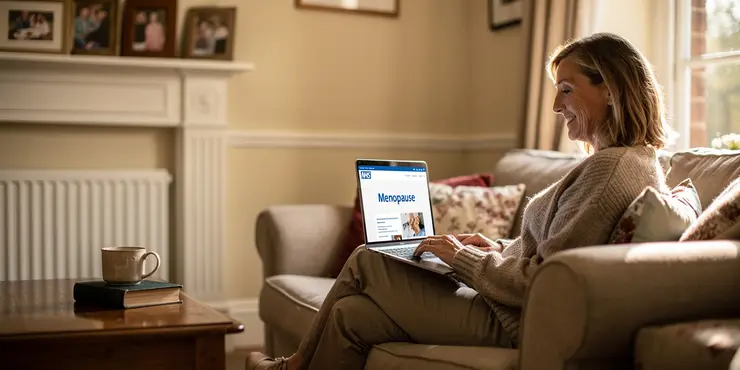
The National Health Service (NHS) in the UK offers a comprehensive selection of online resources tailored to provide information and support about menopause. Through their main website, the NHS provides an extensive overview of menopausal symptoms, potential treatments, and lifestyle changes that may help alleviate discomfort. This resource is designed to be accessible to the general public, offering clear and practical information for anyone seeking to understand menopause better or support someone going through it.
Guides and FAQs
The NHS website features detailed guides that address frequently asked questions about menopause. These guides cover a range of topics such as understanding what menopause is, identifying common symptoms, and exploring the different stages, including perimenopause and postmenopause. The NHS aims to demystify the process for individuals approaching this life stage, as well as for the family and friends who support them.
Treatment Options
Another critical component of the NHS's online menopause resources is the information on various treatment options. Hormone Replacement Therapy (HRT) is extensively discussed, including its benefits, risks, and alternatives. The website provides balanced insights into both medical and non-medical treatments, enabling individuals to make informed decisions in consultation with healthcare professionals. In addition to HRT, the NHS explores lifestyle modifications and other interventions that may improve wellbeing during menopause.
Symptom Checker
The NHS website includes a useful symptom checker that allows users to evaluate their symptoms and identify whether they might be related to menopause. This tool serves as a preliminary resource for individuals unsure about their symptoms, enabling them to have more informed conversations with their healthcare providers.
Video and Audio Resources
To accommodate different learning preferences, the NHS offers a selection of video and audio resources. These include expert talks, patient stories, and informative podcasts that delve into various aspects of menopause. These multimedia resources are particularly beneficial for those who prefer auditory or visual learning over reading.
Support and Guidance
Beyond medical facts, the NHS recognizes the emotional and psychological impact of menopause. Consequently, their online resources also cover mental health support, including tips for managing stress, anxiety, and changes in mood. The website outlines how individuals can access mental health services and additional support if needed.
Interactive Community Features
The NHS provides links to support networks and online communities where individuals experiencing menopause can connect with others. This forum for shared experiences can be invaluable for emotional support and for the exchange of practical advice among peers.
Conclusion
The NHS's online resources for menopause stand out for their breadth and depth, offering critical information and support to those navigating this significant life stage. By providing easy access to educational materials, symptom checkers, treatment information, and support networks, the NHS ensures that individuals in the UK can approach menopause with confidence and comprehensive support.
NHS Information on Menopause
The NHS in the UK has helpful online pages about menopause. You can find information about symptoms, treatments, and lifestyle changes to feel better. This is easy to read and helps you understand menopause or help someone else.
Guides and FAQs
The NHS website has simple guides with answers to common questions about menopause. They explain what menopause is, symptoms to look out for, and the stages like perimenopause and postmenopause. These guides help both those going through menopause and their loved ones.
Treatment Options
The NHS also talks about different treatments for menopause. It explains Hormone Replacement Therapy (HRT), its benefits and risks, and other options. You can read about natural ways to feel better too. This helps you decide what is best with your doctor.
Symptom Checker
The NHS website has a symptom checker tool. It helps you see if your symptoms might be due to menopause. This tool helps you talk with your doctor about what you feel.
Video and Audio Resources
If you like learning by watching or listening, the NHS has videos and audio resources. You can hear experts talk and listen to stories from others. This is good if you like to learn by watching or listening.
Support and Guidance
Menopause can also affect feelings. The NHS pages share tips for dealing with stress, worry, and mood changes. They show how to get help for mental health if you need it.
Interactive Community Features
The NHS helps you find support networks and online communities. These are places where you can talk to others going through menopause. Sharing experiences and advice can be a big help.
Conclusion
The NHS online resources about menopause are very helpful. You can find information, check symptoms, and learn about treatments and support. This makes you feel more sure and supported during menopause.
Frequently Asked Questions
The NHS online menopause hub is a dedicated section on the NHS website that provides information and resources about menopause, including symptoms, treatments, and lifestyle advice.
You can find guidance on menopause symptoms on the NHS website under their menopause section, which includes detailed information about common symptoms and how to manage them.
The NHS provides information on menopause symptoms and encourages individuals to consult with their GP for personalized health assessments rather than offering an online health check.
The NHS website offers resources and information, but currently does not have specific digital tools solely dedicated to managing menopause. It is best to consult a healthcare professional for personalized management plans.
Yes, the NHS website may include links to informative videos about menopause, which provide guidance and advice on various aspects of menopause.
The NHS may recommend various health apps, but specific details about menopause apps should be verified on their website or by consulting a healthcare provider.
Yes, the NHS provides guidance on diet and nutrition during menopause, offering advice on maintaining a healthy diet, which can help manage symptoms.
The NHS website offers information on a range of menopause treatment options, including hormone replacement therapy (HRT), lifestyle adjustments, and non-hormonal treatments.
The NHS does not provide a dedicated email support service for menopause. They recommend consulting a healthcare professional for personalized advice.
The NHS does not offer its own forums but may guide users towards reliable forums and support groups that can be found online.
Yes, the NHS website provides advice on how menopause can affect mental health and offers strategies for managing emotional changes.
The NHS might recommend certain health-related podcasts, but specific menopause podcasts should be verified on their website.
The NHS website offers recommendations for physical activities that can help manage menopause symptoms and maintain overall health.
The NHS website encourages partners and family members to understand menopause and offers resources that can be helpful in supporting someone going through it.
Yes, the NHS provides information on how menopause can affect sexual health and relationships, along with advice for managing these changes.
The NHS website covers the impact of menopause on bone health and provides advice on maintaining bone strength, including nutrition and exercise tips.
The NHS provides advice on managing menopause symptoms in the workplace and suggests ways to discuss menopause with employers if necessary.
The NHS website includes information about premature menopause, including causes, symptoms, and treatment options tailored for younger women.
The NHS aims to provide inclusive resources that consider cultural perspectives on menopause, though specific resources should be explored on their platform.
While the NHS provides summaries of research and guidelines, access to full research articles may require visiting external medical journals or collaborating with your healthcare provider for detailed studies.
The NHS online menopause hub is a special part of the NHS website. It helps with information about menopause. You can learn about symptoms, treatments, and how to live well during menopause.
You can get help with menopause symptoms on the NHS website. Look in the menopause section. They have lots of information about what happens and how to feel better.
The NHS tells you about menopause symptoms. They say you should talk to your doctor to learn more about your health. They don't have an online health check for this.
The NHS website has information to help you. But right now, it does not have special online tools just for menopause. It is best to talk to a doctor to get help that is just right for you.
Yes, the NHS website might have links to videos about menopause. These videos can help explain menopause and give advice.
The NHS might suggest some health apps. To find out about menopause apps, you can check their website or ask a doctor for more information.
The NHS gives help about what to eat during menopause. They tell you how to eat healthy food. This can help with how you feel during menopause.
The NHS website has information about different ways to help with menopause. This includes taking special medicine called hormone replacement therapy (HRT), making changes to your lifestyle, and using treatments that don't have hormones.
The NHS (the health service in the UK) does not have a special email help for menopause. They say you should talk to a doctor or nurse to get advice just for you.
The NHS does not have its own chat groups. But it can help you find good and safe chat groups on the internet.
Yes, the NHS website gives advice on how menopause can change how you feel and ways to help with these changes.
The NHS might tell you about some health podcasts you can listen to, but if you want podcasts about menopause, check their website to make sure they are recommended.
The NHS website gives ideas for exercises that can help with menopause symptoms and keep you healthy.
The NHS website wants partners and family to learn about menopause. They have helpful tools to support someone going through it. Here are some tips:
- Read simple guides or watch easy videos to learn about menopause.
- Talk to your family member about how they feel.
- Use apps or join groups to learn more together.
Yes, the NHS has information about how menopause can change your sex life and relationships. They also have tips to help manage these changes.
The NHS website talks about how menopause can affect your bones. It gives advice on how to keep your bones strong. This includes tips on what to eat and exercises you can do.
The NHS gives tips on how to deal with menopause symptoms at work. They also have ideas on how to talk to your boss about it if you need to.
The NHS website has information about early menopause. It tells you what causes it, what signs to look for, and how it can be treated. This information is for younger women.
The NHS wants to help everyone learn about menopause. They try to think about different cultures and how people see menopause. You can find more help about this on their website.
The NHS gives easy-to-read summaries of research and advice. If you want to read the whole research article, you might need to visit special medical websites. You can also ask your doctor or nurse to help you understand more detailed studies.

Ergsy Search Results
This website offers general information and is not a substitute for professional advice.
Always seek guidance from qualified professionals.
If you have any medical concerns or need urgent help, contact a healthcare professional or emergency services immediately.
Some of this content was generated with AI assistance. We've done our best to keep it accurate, helpful, and human-friendly.
- Ergsy carefully checks the information in the videos we provide here.
- Videos shown by Youtube after a video has completed, have NOT been reviewed by ERGSY.
- To view, click the arrow in centre of video.
- Most of the videos you find here will have subtitles and/or closed captions available.
- You may need to turn these on, and choose your preferred language.
- Go to the video you'd like to watch.
- If closed captions (CC) are available, settings will be visible on the bottom right of the video player.
- To turn on Captions, click settings.
- To turn off Captions, click settings again.