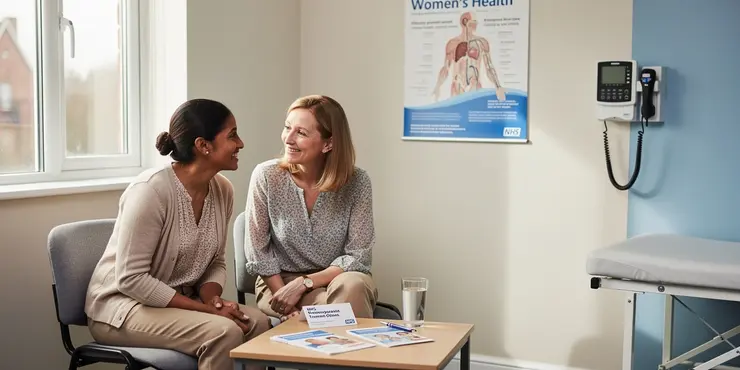

Speak To An Expert
Get clear, personalised advice for your situation.
Jot down a few questions to make the most of your conversation.
Understanding Menopause and Its Symptoms
Menopause is a natural biological process that marks the end of a woman's menstrual cycles. It usually occurs in women between their late 40s and early 50s.
The symptoms of menopause can vary, including hot flushes, mood swings, and trouble sleeping. Understanding and managing these symptoms is vital for maintaining quality of life.
Hormone Replacement Therapy (HRT)
Hormone Replacement Therapy (HRT) is a common treatment for alleviating menopausal symptoms. It works by replacing estrogen levels that decrease during menopause.
Different forms of HRT are available, including tablets, patches, gels, and implants. Each option offers varying suitability and effectiveness, and doctors can provide guidance on individual needs.
It's important for women to discuss the risks and benefits of HRT with their healthcare provider. HRT can increase the risk of certain health conditions, so personalised medical advice is essential.
Lifestyle Changes and Natural Remedies
Simple lifestyle changes can significantly impact menopause symptoms. Regular exercise can help with mood regulation and can alleviate some physical discomforts.
A balanced diet rich in calcium, vitamin D, and phytoestrogens, found in foods like soy, can help improve symptoms. Avoiding triggers like caffeine and spicy foods can reduce hot flushes.
Many women find relief through complementary therapies, such as mindfulness, yoga, or acupuncture. While scientific support varies, these practices can provide emotional balance and stress relief.
Non-Hormonal Medications
For women who cannot use HRT or prefer not to, non-hormonal medications are available. These include medications like clonidine, which is used to treat hot flushes and night sweats specifically.
Selective serotonin reuptake inhibitors (SSRIs) and serotonin-norepinephrine reuptake inhibitors (SNRIs) are often prescribed to help with mood disturbances and hot flushes.
It is important to work closely with a GP or specialist to find the most effective treatment regime. Non-hormonal options may work best in combination with lifestyle changes.
Seeking Professional Guidance
Open discussions with healthcare professionals can lead to more effective treatment strategies. Regular check-ups ensure symptoms are managed and adjusted as needed.
Many resources and support groups exist in the UK to help women navigate menopause. These networks provide valuable support and can help women connect with others experiencing similar challenges.
Ultimately, menopause is a unique experience for each woman. Personalised care and ongoing support can make a significant difference in managing symptoms and improving quality of life.
Frequently Asked Questions
Menopause masking refers to treatments or strategies used to manage and reduce the symptoms of menopause, such as hot flashes, night sweats, and mood swings, allowing individuals to maintain their quality of life.
Hormone replacement therapy (HRT) involves taking medications that replace the hormones that the body no longer produces after menopause, typically estrogens and progesterone, to alleviate menopausal symptoms.
Yes, non-hormonal treatments include lifestyle changes, dietary supplements, and medications such as SSRIs and SNRIs that help manage symptoms without using hormones.
Lifestyle changes such as regular exercise, a balanced diet, maintaining a healthy weight, and avoiding triggers like hot drinks and spicy foods can help reduce menopause symptoms.
Dietary supplements, such as those containing phytoestrogens, black cohosh, and evening primrose oil, are sometimes used to manage menopause symptoms, but their efficacy can vary.
Herbal remedies like black cohosh, red clover, and soy are sometimes used to help with menopause symptoms, but scientific evidence about their effectiveness is mixed.
Non-hormonal medications such as certain antidepressants, clonidine, and gabapentin can be effective in alleviating hot flashes and other menopause symptoms.
Yes, CBT can be effective in managing psychological symptoms of menopause, such as mood swings, anxiety, and stress.
Acupuncture may provide relief for some menopausal symptoms, such as hot flashes and sleep disturbances, though evidence varies on its effectiveness.
Vaginal estrogen products like Vagifem can relieve symptoms such as vaginal dryness, irritation, and discomfort during intercourse associated with menopause.
Bioidentical hormones are chemically identical to those the body produces naturally and are used in some HRT regimens to treat menopausal symptoms.
Yes, incorporating foods rich in phytoestrogens, calcium, and vitamin D, and reducing caffeine and alcohol can help manage menopause symptoms.
Regular physical activity can help reduce weight gain, prevent bone loss, and improve mood, all of which are important during menopause.
HRT is generally safe for many women but carries some risks. It's important to discuss these with a healthcare provider to determine if it's appropriate.
Mindfulness and meditation can reduce stress and improve emotional well-being, which may alleviate some menopausal symptoms like anxiety and sleep problems.
Soy contains phytoestrogens, which may help balance hormones and alleviate symptoms like hot flashes in some women, though research is ongoing.
Men do not experience menopause but can undergo andropause or age-related hormonal changes, which can sometimes be managed with testosterone replacement therapy.
Yoga can help reduce stress, improve sleep, and increase flexibility, which may help alleviate certain menopause symptoms.
Yes, some herbal supplements can interact with other medications and have side effects, so it's important to consult with a healthcare provider before use.
Menopause can lead to decreased estrogen levels, increasing the risk of osteoporosis and bone fractures. Calcium and vitamin D intake, along with weight-bearing exercise, are important for maintaining bone health.

Ergsy Search Results
This website offers general information and is not a substitute for professional advice.
Always seek guidance from qualified professionals.
If you have any medical concerns or need urgent help, contact a healthcare professional or emergency services immediately.
Some of this content was generated with AI assistance. We've done our best to keep it accurate, helpful, and human-friendly.
- Ergsy carefully checks the information in the videos we provide here.
- Videos shown by Youtube after a video has completed, have NOT been reviewed by ERGSY.
- To view, click the arrow in centre of video.
- Most of the videos you find here will have subtitles and/or closed captions available.
- You may need to turn these on, and choose your preferred language.
- Go to the video you'd like to watch.
- If closed captions (CC) are available, settings will be visible on the bottom right of the video player.
- To turn on Captions, click settings.
- To turn off Captions, click settings again.