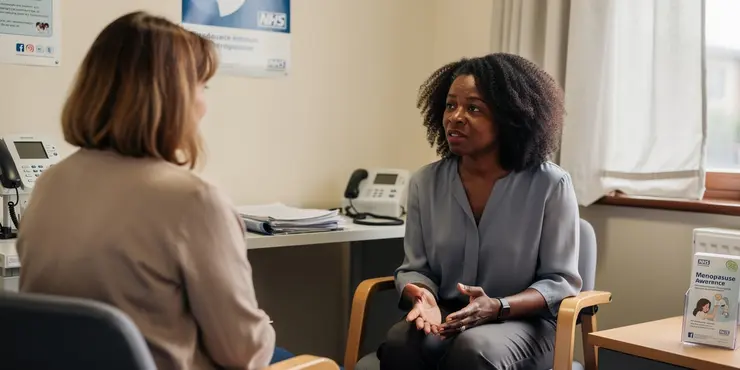

Speak To An Expert
Get clear, personalised advice for your situation.
Jot down a few questions to make the most of your conversation.
Introduction to Menopause
Menopause is a natural phase in a woman's life typically occurring between 45 and 55 years of age. It marks the end of a woman’s reproductive years and is defined by the cessation of menstrual periods. However, menopause is more than just a physical change; it also has significant psychological effects.
These psychological effects can vary widely among women, influenced by a variety of factors including personal history and lifestyle. Understanding these effects can help manage and alleviate some of the challenges associated with menopause.
Mood Changes
One of the most common psychological effects during menopause is mood swings. These can be similar to the mood changes experienced during premenstrual syndrome. However, they can be more intense and frequent during menopause.
Women may experience irritability, anxiety, or sadness without clear triggers. This emotional upheaval can be distressing and may lead to further complications if not addressed.
Increased Anxiety and Stress
Many women report increased levels of anxiety and stress during menopause. This can be related to hormonal fluctuations and the pressures of adapting to a new phase of life. The unpredictability of symptoms like hot flushes can contribute to these feelings.
Simple lifestyle changes, such as regular exercise and mindfulness techniques, can help manage anxiety. Professional support may also be beneficial for some women.
Impact on Sleep and Fatigue
Insomnia and disturbed sleep can result from menopause, often caused by night sweats and other physical symptoms. Sleep deprivation can lead to increased stress and contribute to mood disorders.
Fatigue can affect concentration and memory, leading to feelings of frustration and helplessness. Establishing good sleep hygiene and seeking medical advice can help alleviate these issues.
Depression During Menopause
Some women experience depression during menopause, particularly those with a history of mental health issues. Hormonal changes can affect neurotransmitters in the brain, increasing susceptibility to depression.
It’s important to monitor symptoms of depression and seek support when needed. Therapies, such as cognitive-behavioural therapy, and medication might be options to consider.
Cognitive Changes
Many women report cognitive changes during menopause, such as difficulties with memory or concentrating. While these are usually temporary, they can be frustrating.
Engaging in mentally stimulating activities can help mitigate these effects. Maintaining a healthy lifestyle with balanced nutrition is also beneficial for cognitive function.
Conclusion
Menopause is a complex transition with significant psychological effects. Awareness of these can lead to better management and improved quality of life.
The psychological impact varies among individuals, and seeking support is crucial. With appropriate strategies and resources, the challenges posed by menopause can be effectively addressed.
Frequently Asked Questions
Menopause is the natural biological process marking the end of a woman's menstrual cycles. It can affect mental health by causing mood swings, anxiety, and depression due to hormonal changes.
Yes, menopause can cause anxiety due to fluctuations in hormone levels, particularly estrogen, which can affect mood regulation.
Depression can occur during menopause due to hormonal changes, life stressors, and other factors, but it is not experienced by all women.
Hormonal changes, especially fluctuations in estrogen and progesterone, can impact neurotransmitters in the brain, affecting mood and emotional stability.
Some women report difficulty with memory or concentration during menopause, often referred to as 'brain fog,' possibly due to hormonal changes.
Emotional symptoms may include mood swings, irritability, anxiety, depression, and feelings of sadness or low self-esteem.
Stress during menopause can be managed through lifestyle changes such as regular exercise, healthy diet, stress management techniques, and consulting healthcare providers.
Menopause can lead to sleep disturbances due to hot flashes, night sweats, and anxiety, which can affect overall well-being.
Menopause can increase the risk of certain mental health issues like depression and anxiety, especially in those with a history of these conditions.
Hormone replacement therapy can help alleviate some psychological symptoms by stabilizing hormone levels, but it is not suitable for everyone and should be discussed with a doctor.
Yes, mood swings are a common symptom due to fluctuating hormone levels affecting the brain's chemistry.
Non-hormonal strategies include regular physical activity, a healthy diet, mindfulness, cognitive behavioral therapy, and adequate sleep.
Menopause can impact overall well-being by affecting mental health, energy levels, sexual health, and can lead to feelings of loss or aging.
Estrogen influences serotonin levels, a neurotransmitter that affects mood. Decreased estrogen levels during menopause can lead to mood changes.
Yes, menopause can affect relationships due to mood changes, reduced libido, and stress, potentially leading to misunderstandings or conflicts.
Long-term effects can include sustained changes in mood, increased risk of mental health issues, and challenges in adapting to aging.
Yes, lifestyle changes such as regular exercise, a balanced diet, and stress reduction techniques can improve mental health during menopause.
Severity can be influenced by individual factors such as genetics, past mental health history, stress levels, and lifestyle.
It refers to mood disorders that arise around the time of menopause, influenced by hormonal changes affecting brain chemistry.
Therapy, such as cognitive behavioral therapy, can help manage mood changes, anxiety, and depression by providing coping strategies and emotional support.

Ergsy Search Results
This website offers general information and is not a substitute for professional advice.
Always seek guidance from qualified professionals.
If you have any medical concerns or need urgent help, contact a healthcare professional or emergency services immediately.
Some of this content was generated with AI assistance. We've done our best to keep it accurate, helpful, and human-friendly.
- Ergsy carefully checks the information in the videos we provide here.
- Videos shown by Youtube after a video has completed, have NOT been reviewed by ERGSY.
- To view, click the arrow in centre of video.
- Most of the videos you find here will have subtitles and/or closed captions available.
- You may need to turn these on, and choose your preferred language.
- Go to the video you'd like to watch.
- If closed captions (CC) are available, settings will be visible on the bottom right of the video player.
- To turn on Captions, click settings.
- To turn off Captions, click settings again.