
Get Answers
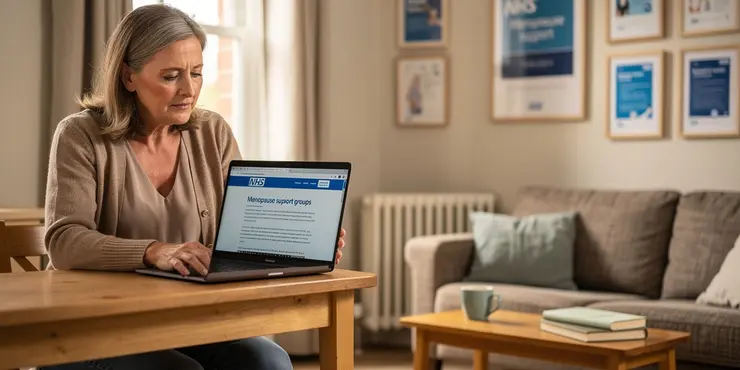
How to Find NHS-Recommended Menopause Support Groups Online
Menopause is a natural phase in a woman's life, often accompanied by physical and emotional changes. Finding the right support during this transition can be pivotal. The National Health Service (NHS) in the UK provides resources and information to help women navigate menopause effectively. Here’s a guide on how to find NHS-recommended menopause support groups online.
Start with the NHS Website
Your first port of call should be the official NHS website. The NHS provides a wealth of information on menopause, including symptoms, treatments, and support options. By visiting the NHS website, you can access the Health A-Z section, where menopause is covered in detail. Here, you can find resources for managing symptoms and links to support networks recommended by the NHS.
Search NHS Service Finder
The NHS Service Finder is a tool that can help you locate healthcare services in your local area. By entering your postcode, you can search for nearby clinics, specialists, and support groups specializing in menopause care. The service finder can also provide information on NHS-trusted community support networks, which may include in-person or virtual support groups.
Explore NHS-Endorsed Online Communities
The NHS often collaborates with or endorses reputable online platforms that offer menopause support. Websites such as HealthUnlocked host forums and communities where women can share their experiences and seek advice from peers with NHS oversight. These platforms often have dedicated menopause sections moderated by healthcare professionals, ensuring you receive accurate and supportive advice.
NHS Apps Library
The NHS Apps Library is another valuable resource for finding menopause support. The library features a selection of vetted apps that can help manage menopause symptoms and connect you with support groups. Apps like "balance" offer expert guidance and enabled community forums where users can join discussions and support networks dedicated to menopause.
Join Social Media Groups
Social media can be a useful tool for finding support groups recommended by or associated with the NHS. Platforms like Facebook have groups specifically for menopause support. By searching for groups and checking their affiliations, you can often find those that align with NHS resources. These groups provide community-driven support, advice, and shared experiences.
Consult Healthcare Professionals
If you are struggling to find the right resources online, it may be helpful to consult with your GP or a menopause specialist. They can provide recommendations for online support groups that align with NHS guidelines and offer additional information tailored to your needs. Healthcare professionals can offer personalized advice and direct you to accredited support networks.
Conclusion
Navigating through menopause need not be an isolating experience. By leveraging NHS resources and recommended platforms, you can find valuable support and connect with women experiencing similar journeys. Accessing trusted online menopause support groups can provide both comfort and guidance during this transformative time.
How to Find NHS-Recommended Menopause Support Groups Online
Menopause is when a woman's body goes through big changes. These changes can be physical and emotional. It is important to have support during this time. In the UK, the National Health Service (NHS) helps women through menopause. Here is how to find support groups online that the NHS recommends.
Start with the NHS Website
The first place to look is the NHS website. It has lots of information about menopause, like symptoms and treatments. Visit the NHS site to find the Health A-Z section. This is where menopause is explained in detail. You can find help for dealing with symptoms and links to support groups from the NHS.
Search NHS Service Finder
The NHS Service Finder is a tool that helps you find health services near you. Type in your postcode to look for clinics or support groups nearby that focus on menopause. The Service Finder can also show trusted support networks, including in-person or online groups.
Explore NHS-Endorsed Online Communities
The NHS supports some safe online platforms for women during menopause. Websites like HealthUnlocked have forums where women talk and share advice. These forums are watched by health professionals so you get good support. Look for the menopause sections on these platforms.
NHS Apps Library
The NHS Apps Library is also helpful. It has apps that help manage menopause symptoms and find support groups. Apps like "balance" give expert advice and have community forums. You can join discussions and support networks about menopause.
Join Social Media Groups
Social media can be a good way to find support groups linked with the NHS. Try looking on Facebook for menopause support groups. Make sure to check if they are connected to NHS resources. These groups let people share advice, experiences, and help each other.
Consult Healthcare Professionals
If you cannot find good resources online, ask your doctor (GP) or a menopause specialist. They can suggest online support groups that follow NHS guidelines. They can also give you more information for your needs. Healthcare professionals offer advice and guide you to the right support networks.
Conclusion
Menopause can feel lonely, but it does not have to be. Using NHS resources helps you find good support and connect with other women who are going through the same thing. Trusted online menopause support groups give comfort and guidance during this important time.
Frequently Asked Questions
The NHS, or National Health Service, is the publicly funded healthcare system of the United Kingdom.
You can find NHS-recommended menopause support groups online by visiting the NHS website or the NHS UK page on menopause support.
Yes, the NHS provides resources for menopause support through their website and recommended support groups.
The NHS UK page is an online resource that provides information about various health conditions, including menopause, and offers links to support groups.
Yes, the NHS website may provide information about local support groups for menopause in your area.
Yes, there are online communities and support forums for menopause that may be recommended by the NHS.
The NHS offers online guidance, materials, and fact sheets on menopause management and support.
Yes, many NHS-recommended menopause support groups offer virtual meetings and resources.
Many NHS-recommended resources and support groups are free to access, but it's best to check specific groups for any costs.
Check the NHS website or contact NHS customer service for a list of recommended support groups for menopause.
NHS-recommended support groups may include healthcare professionals such as doctors, menopause specialists, and counselors.
NHS-recommended support groups typically meet criteria regarding the quality of information provided and support offered.
Support groups can offer emotional support, share experiences, and provide expert advice on managing menopause.
Many online support groups allow members to join anonymously to protect their privacy.
Prepare any questions you have, and consider noting down your symptoms and concerns related to menopause.
Generally, you do not need a referral from your GP to join menopause support groups, but it's always good to consult your healthcare provider.
The NHS app may provide information and links to menopause support resources and groups.
The NHS may recommend certain apps that help manage menopause symptoms or provide support resources.
The meeting frequency varies by group, so check the specific support group's schedule.
Some support groups welcome partners or male family members, especially those supporting someone going through menopause.
The NHS is short for National Health Service. It is the part of the UK government that helps look after people's health. The NHS is paid for by the public.
You can find help for menopause by looking at the NHS website. They have a page about menopause support.
Yes, the NHS has help for menopause. You can find it on their website. They also suggest joining support groups.
The NHS UK page is a website that gives information about different health issues, like menopause. It also shares links to groups that can help you.
Yes, the NHS website can help you find local support groups for menopause in your area.
Yes, there are online groups and places where people can talk about menopause. These are places the NHS might suggest.
The NHS has a website that can help you learn about menopause. They have easy-to-read guides and fact sheets that can help you understand and manage menopause better.
Yes, lots of groups can help with menopause. Some groups meet online, and they have helpful information. The NHS recommends these groups.
A lot of the resources and support groups suggested by the NHS are free. But, it's a good idea to check each group to see if there are any costs.
Visit the NHS website or call NHS customer service to find helpful groups for menopause.
NHS support groups can help you. They have doctors, menopause experts, and people you can talk to about your feelings.
Support groups that the NHS supports are usually good because they give the right information and help that people need.
Support groups can help you feel better. They let you talk to people who understand. You can learn new tips from experts about menopause.
Lots of online help groups let you join without using your real name. This keeps your information safe.
Write down any questions you might have. It's also a good idea to make a list of how you're feeling and any worries you have about menopause.
You usually don't need a letter from your doctor to join menopause support groups. But it's a good idea to talk to your doctor first.
The NHS app can help you find information and support about menopause. It has links to groups and places that offer help.
The NHS might suggest some apps. These apps can help with menopause symptoms or give support and advice.
Different groups meet at different times. Make sure to check when your group meets.
Some groups let partners or men in the family join. It is good if they are helping someone with menopause.

Ergsy Search Results
This website offers general information and is not a substitute for professional advice.
Always seek guidance from qualified professionals.
If you have any medical concerns or need urgent help, contact a healthcare professional or emergency services immediately.
Some of this content was generated with AI assistance. We've done our best to keep it accurate, helpful, and human-friendly.
- Ergsy carefully checks the information in the videos we provide here.
- Videos shown by Youtube after a video has completed, have NOT been reviewed by ERGSY.
- To view, click the arrow in centre of video.
- Most of the videos you find here will have subtitles and/or closed captions available.
- You may need to turn these on, and choose your preferred language.
- Go to the video you'd like to watch.
- If closed captions (CC) are available, settings will be visible on the bottom right of the video player.
- To turn on Captions, click settings.
- To turn off Captions, click settings again.