
Speak To An Expert
Get clear, personalised advice for your situation.
Jot down a few questions to make the most of your conversation.
Understanding Menopause Masking
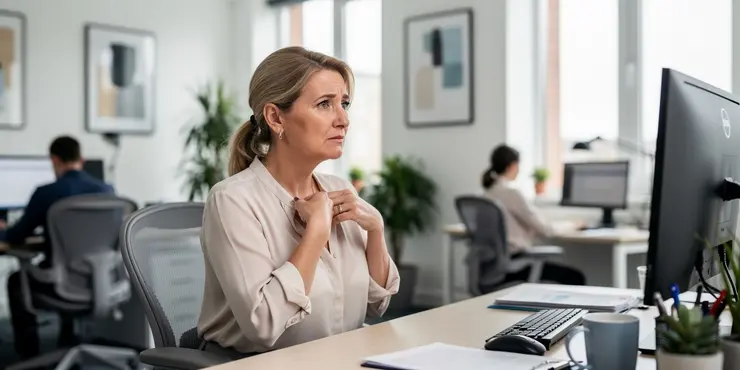
Menopause masking refers to the phenomenon where women conceal or downplay their menopausal symptoms. This practice often occurs due to societal pressures and workplace environments that lack understanding. The term highlights how women may feel compelled to maintain appearances despite experiencing significant physical and emotional changes.
Many women experience menopause between the ages of 45 and 55, with symptoms ranging from hot flushes to mood swings. These symptoms can be disruptive, affecting daily life and work performance. However, the stigma surrounding menopause often leads women to mask these challenges.
Why Women Mask Menopause Symptoms
The workplace is a significant factor in why many women choose to mask their menopause symptoms. Fear of being perceived as less capable or facing career setbacks prompts this behavior. In many industries, there is a lack of understanding and support for menopausal women, which can exacerbate the problem.
Additionally, societal expectations around ageing and femininity contribute to menopause masking. Women may feel embarrassed or ashamed to discuss their symptoms openly. This cultural perception reinforces the notion that menopause is something to be hidden.
Impact of Menopause Masking on Well-being
Masking menopause symptoms can have negative effects on a woman's well-being. By not addressing their needs, women may experience increased stress, mental health struggles, and physical discomfort. This can lead to a decline in overall health and quality of life.
Furthermore, the requirement to "keep up appearances" can create significant psychological pressure. Women may feel isolated, believing they are alone in their experiences. This isolation can hinder them from seeking support or medical advice.
Addressing Menopause Masking
To combat menopause masking, societal attitudes towards menopause need to change. Awareness campaigns and education can help normalize the discussion around menopause. By breaking down stigmas, women can feel more comfortable sharing their experiences.
Workplaces play a crucial role in supporting menopausal women. Implementing policies such as flexible working hours, access to cooling environments, and providing menopause training for staff can help. These strategies create a more inclusive environment where women feel supported and valued.
Conclusion
Menopause masking is a significant issue that warrants greater attention and understanding. By acknowledging the challenges faced by menopausal women, society can foster a more supportive and open environment. Through collective efforts, we can diminish the stigma and empower women to speak openly about their health.
Frequently Asked Questions
Menopause masking refers to the practice of covering up or alleviating the symptoms of menopause through various methods, allowing women to maintain normal daily functioning.
Women use menopause masking to reduce the impact of symptoms like hot flashes, mood swings, and sleep disturbances, helping them to lead a more comfortable and productive life.
Common symptoms include hot flashes, night sweats, mood swings, difficulty sleeping, vaginal dryness, and cognitive changes.
Methods can include hormone replacement therapy (HRT), lifestyle changes like diet and exercise, natural remedies, and medications aimed at alleviating specific symptoms.
Yes, hormone replacement therapy is a form of menopause masking as it can alleviate several menopause symptoms by supplementing the body’s hormone levels.
Yes, natural remedies such as herbal supplements, acupuncture, and yoga are often used to help manage menopause symptoms.
Yes, lifestyle changes such as maintaining a healthy diet, regular physical activity, and stress management can help reduce the severity of menopausal symptoms.
A well-balanced diet rich in calcium, magnesium, and vitamin D can help reduce symptoms, improve bone health, and manage weight gain during menopause.
Yes, effective menopause masking can improve mental health by reducing anxiety, depression, and mood swings associated with menopause.
Some methods, like hormone replacement therapy, can involve risks such as increased chances of blood clots, stroke, or breast cancer. It's important to discuss these with a healthcare provider.
Not necessarily. Some women experience mild symptoms that don't significantly impact their quality of life and may not need menopause masking strategies.
Menopause symptoms can last between a few months to several years. On average, symptoms persist around four years after the last period.
Yes, treatments like HRT, cooling room temperatures, and relaxation techniques can help improve sleep quality during menopause.
In some cases, low-dose antidepressants can be used to help with mood swings and hot flashes in women not suitable for HRT.
Yes, regular exercise can alleviate symptoms such as mood disturbances and weight gain, making it an effective form of menopause masking.
Acupuncture can help reduce hot flashes and improve overall well-being, acting as a complementary treatment for menopausal symptoms.
Coverage varies depending on the treatment type and individual insurance policies. It's best to check with your insurance provider.
Yes, menopause masking should be tailored to individual symptoms and health needs, often requiring collaboration with healthcare providers.
Yes, local estrogen therapy and moisturizers can help address vaginal dryness, a common symptom that women seek to mask during menopause.
It's important to evaluate the severity of symptoms, discuss options with a healthcare provider, consider risks, and explore both synthetic and natural treatment options.

Ergsy Search Results
This website offers general information and is not a substitute for professional advice.
Always seek guidance from qualified professionals.
If you have any medical concerns or need urgent help, contact a healthcare professional or emergency services immediately.
Some of this content was generated with AI assistance. We've done our best to keep it accurate, helpful, and human-friendly.
- Ergsy carefully checks the information in the videos we provide here.
- Videos shown by Youtube after a video has completed, have NOT been reviewed by ERGSY.
- To view, click the arrow in centre of video.
- Most of the videos you find here will have subtitles and/or closed captions available.
- You may need to turn these on, and choose your preferred language.
- Go to the video you'd like to watch.
- If closed captions (CC) are available, settings will be visible on the bottom right of the video player.
- To turn on Captions, click settings.
- To turn off Captions, click settings again.