
Get Answers
Understanding the Current Situation
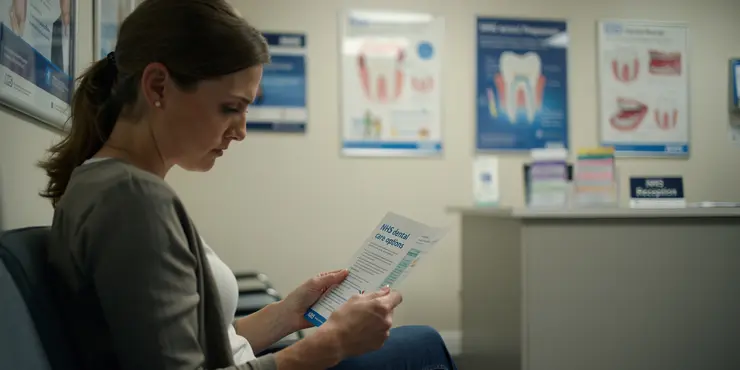
Many people across the UK rely on NHS dentists for affordable dental care. However, there are growing concerns about the availability of these services. A significant issue is that numerous NHS dental practices are no longer accepting new patients.
This can lead to large segments of the population struggling to maintain their oral health. Without access to NHS dental care, individuals face limited options. This situation presents both immediate and long-term challenges for public health.
Exploring the Consequences
If NHS dentists are not accepting new patients, more people might delay seeking necessary care. This can result in minor dental issues becoming severe, requiring more complex and costly treatments. Such delays can exacerbate health disparities.
Moreover, overcrowding and long waits at the few accepting practices could follow. This can place additional strain on the NHS, already burdened by the demand for other healthcare services. The broader impact on the healthcare system could be significant.
Potential Alternatives
Individuals affected by this issue may need to consider alternative options. Private dental care is one possibility, although it is often more expensive. For many, this might not be a feasible long-term solution due to cost concerns.
Some might explore non-profit or charity dental services that offer reduced rates. However, these services are usually limited and not widely available. Community dental health programs can be beneficial but depend on the specific region’s funding and resources.
Government and Policy Implications
This situation may prompt a reevaluation of dental health policies at the national level. Increased funding and resources for NHS dental services could be necessary to meet public demand. Strategic planning is required to address the underlying causes effectively.
Policymakers might consider expanding existing programs or creating new incentives to attract more dental professionals to the NHS. By tackling issues like dentist shortages, the government can improve access to essential dental health services.
Taking Personal Action
Individuals can take proactive steps to manage their dental health in the interim. Maintaining consistent oral hygiene habits is crucial. This includes regular brushing, flossing, and minimizing sugar intake.
Researching available dental services in their area is also beneficial. People should be prepared for potential waiting periods and explore registration options as soon as they become available. Staying informed about local health service updates can also help individuals access care when opportunities arise.
Frequently Asked Questions
First, contact NHS England using their helpline to see if they have suggestions or updates on local practices. Also, check the NHS website regularly for updates.
Some practices may offer a waiting list for patients looking to register. Contact the local dental surgeries directly to inquire about this option.
You might consider seeking treatment at a dental school or exploring private dental care as alternative options.
Visit the NHS website, use their 'Find a dentist' search tool, and check regularly for any changes in their acceptance status.
Contact NHS 111 for guidance on urgent care services or to be directed to the nearest available options for emergency dental treatment.
No, it does not affect your eligibility. You can register with an NHS practice whenever space becomes available.
Yes, you're not restricted to dentists in your immediate location. You can explore practices in neighboring areas or cities.
Yes, NHS services are often more affordable as they follow a set pricing structure, while private dentists set their own fees.
In general, you won't be reimbursed for choosing private care when NHS options are unavailable.
This varies, but it is often updated monthly. Regularly checking the NHS website or contacting practices directly is recommended.
The cap refers to the maximum number of patients that an NHS dentist can have registered at a time, often determined by specific contract terms with the NHS.
Yes, due to capacity constraints or reaching their patient limit, NHS dentists can stop accepting new patients.
The NHS dental helpline provides assistance and guidance related to dental services, including finding available practices.
Inquire about current patient acceptance status, potential waitlists, and the expected timeframe for new registrations.
Waiting times vary depending on the region and demand. Checking with individual practices is the best way to get specific information.
Emergency dental services provide urgent treatment for severe pain, trauma, or infection, typically coordinated through NHS 111.
Yes, private dental care usually involves higher costs compared to NHS treatment due to the freedom to set their own pricing.
Yes, you can transfer to an NHS dentist whenever they are accepting new patients, regardless of prior private care.
Yes, many dental schools provide reduced-cost services as students practice under professional supervision.
The local NHS area team provides information on availability and may assist in locating practices with current capacity.

Ergsy Search Results
This website offers general information and is not a substitute for professional advice.
Always seek guidance from qualified professionals.
If you have any medical concerns or need urgent help, contact a healthcare professional or emergency services immediately.
Some of this content was generated with AI assistance. We've done our best to keep it accurate, helpful, and human-friendly.
- Ergsy carefully checks the information in the videos we provide here.
- Videos shown by Youtube after a video has completed, have NOT been reviewed by ERGSY.
- To view, click the arrow in centre of video.
- Most of the videos you find here will have subtitles and/or closed captions available.
- You may need to turn these on, and choose your preferred language.
- Go to the video you'd like to watch.
- If closed captions (CC) are available, settings will be visible on the bottom right of the video player.
- To turn on Captions, click settings.
- To turn off Captions, click settings again.