
Get Answers
Understanding NHS Dental Services
NHS dental services are available across the UK, providing essential dental care to residents. Each NHS dental practice operates independently, so it's essential to understand how to access care in your area.
NHS dentists provide a range of services, from routine check-ups to more complex treatments. Availability can vary, so it's crucial to find a dentist taking new patients.
Checking Online for Available Dentists
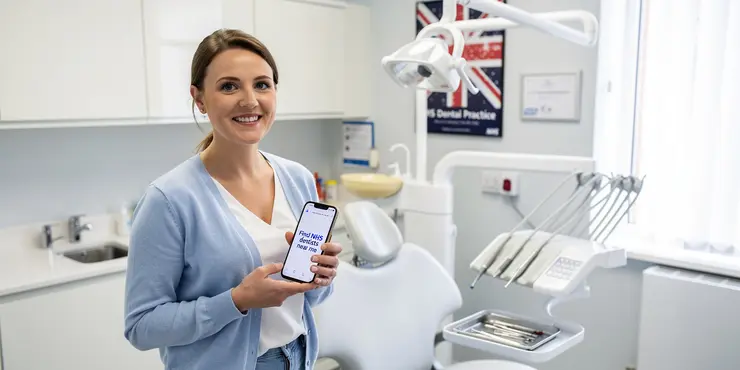
The NHS website offers a reliable tool for finding dentists in your locality. You can search based on your postcode to see a list of nearby practices.
Once you have a list, check which dentists are accepting new NHS patients. This information is often updated regularly to reflect current availability.
Contacting Potential Dental Practices
Reach out to practices directly to verify if they accept new patients. It's advisable to call or email for up-to-date information, as online details might lag.
When you contact them, ask about the types of NHS treatments they offer and confirm their charges, which generally follow NHS guidelines.
Registering with an NHS Dentist
If a practice is accepting new patients, they might require you to fill out registration forms. This process ensures they have your details and medical history.
Registration does not guarantee an immediate appointment. Depending on demand, there may be a waiting period, especially for non-emergency services.
Exploring Alternatives
If you're struggling to find an NHS dentist, consider broadening your search area. A slightly longer travel could open more options.
You could also check if there are mixed NHS and private practices, as they might have more flexibility in accepting patients.
Utilizing Walk-in Centres and Emergency Care
If you're in immediate need of care and can't find a dentist, NHS walk-in centres might offer emergency dental treatment.
Remember, emergency NHS dental care focuses on pain relief and essential care. Follow-up appointments may still be necessary with a regular dentist.
Seeking Help from Local Health Authorities
If you're experiencing continued difficulty, contact your local NHS health authority. They can sometimes assist in finding available services.
Local Healthwatch organizations also provide guidance and support in accessing NHS services, including dental care.
Understanding NHS Dental Services
NHS dental services are for everyone in the UK. These services help keep your teeth healthy. Each dentist works separately, so it's important to know how to find one near you.
NHS dentists do lots of things, like checking your teeth and doing special treatments. But not all dentists may have space for new patients, so you need to find one that does.
Checking Online for Available Dentists
You can use the NHS website to find dentists near where you live. You search by entering your postcode to see a list of nearby dentists.
Check which dentists are taking new NHS patients. This list is updated regularly to show the latest information.
Contacting Potential Dental Practices
Call or email the dentist to see if they can take you as a new patient. Online information might not always be current.
Ask them what NHS treatments they offer and how much they charge. Charges usually follow NHS rules.
Registering with an NHS Dentist
If a dentist can take you as a new patient, you might need to fill out registration forms. This helps them know your health details.
Registering does not mean you will see the dentist right away. Sometimes, you might need to wait, especially if it's not an emergency.
Exploring Alternatives
If you can't find a dentist, try looking a bit further away. Traveling a little more might help you find one.
Look for dentists that offer both NHS and private services, as they might have more room for new patients.
Utilizing Walk-in Centres and Emergency Care
If you need help fast and can't find a dentist, NHS walk-in centres might help with emergency dental care.
Emergency care helps with pain and urgent problems. You might still need to see a regular dentist afterwards.
Seeking Help from Local Health Authorities
If you still have trouble, contact your local NHS health authority. They can sometimes help you find a dentist.
Your local Healthwatch group can also give advice and support to help you get NHS dental care.
Frequently Asked Questions
You can find an NHS dentist near you by visiting the NHS website and using their 'Find a Dentist' tool.
You typically need to provide your personal details, including your name, address, and NHS number, if you have one.
Yes, you can change your NHS dentist by contacting another dental practice and asking to register.
It is generally recommended to visit your dentist every 6 to 12 months, but your dentist will advise you based on your individual oral health.
If no NHS dentists are accepting new patients, you can contact NHS England for advice on finding a dentist with availability.
No, you do not need a referral to see an NHS dentist; you can directly register with a practice.
NHS dental services cover clinically necessary treatments to maintain oral health, including fillings, crowns, bridges, and dentures.
NHS dental charges are categorised into three bands, depending on the type of treatment you need.
If you are not satisfied, you should first discuss this with your dentist. If it remains unresolved, you can contact the NHS England or the Dental Complaints Service.
Yes, NHS dental care is free for children under 18, or under 19 if they are in full-time education.
Dental practices usually display signs indicating they accept NHS patients. You can also ask the receptionist or visit the practice’s website.
If you need urgent care, contact a local NHS dental practice to ask for an urgent appointment or use the NHS 111 service.
There can be waiting lists for non-urgent NHS dental treatments, especially if a practice is busy or lacks capacity.
No, you do not need to be registered with a dentist to get emergency NHS treatment. You can contact any NHS practice for help.
If your dentist’s practice closes, you should seek registration with another local NHS dental practice as soon as possible.
Yes, dental charges can vary between England, Scotland, Wales, and Northern Ireland due to different health policies.
Cosmetic treatments are generally not covered by the NHS unless medically necessary.
NHS dental clinics often support a variety of languages, but it's best to verify with the individual practice if specific support is needed.
You can provide feedback directly to the dental practice or use the NHS website to share your experience.
Yes, you can choose to see a private dentist for treatments not covered by the NHS while still being registered as an NHS patient.
You can find a dentist near you by going to the NHS website. Use their 'Find a Dentist' tool to help you.
If you need help reading the website, you can ask someone you trust. You can also use tools like 'text to speech' on your computer or phone to read the website out loud for you.
You usually need to give your personal details. This means your name, where you live (your address), and your NHS number if you have one.
Yes, you can get a new NHS dentist. Just call another dentist office and ask to join them.
Most people should go to the dentist every 6 to 12 months. But your dentist will tell you what is best for your teeth.
If no NHS dentists can take new patients, you can ask NHS England for help to find a dentist who can see you.
No, you don't need a referral to see a dentist with the NHS. You can sign up with a dentist yourself.
NHS dentists fix your teeth. They help keep your mouth healthy. They can fill holes in your teeth, fix broken teeth, and make fake teeth if you need them.
The cost of seeing an NHS dentist is split into three groups. The group depends on the kind of treatment you need.
If you are not happy, talk to your dentist first. If that does not help, you can tell NHS England or the Dental Complaints Service.
Yes, NHS dental care is free for children who are 18 years old or younger. It is also free if they are 18 and in full-time school.
You can look for signs at the dentist that say they take NHS patients. You can also ask the person at the front desk or check the dentist's website.
If you need help from a dentist quickly, call a nearby NHS dentist and ask for an appointment. You can also call NHS 111 for help.
Sometimes, you might have to wait to see the dentist if it's not an emergency. This can happen if the dentist's office is very busy or doesn't have enough room.
No, you don't need to sign up with a dentist to get emergency help from the NHS. You can call any NHS dentist for help.
If your dentist’s office closes, you should try to find a new NHS dentist nearby as soon as you can. Ask for help if you need it.
Yes, the cost to see a dentist can be different in England, Scotland, Wales, and Northern Ireland. This is because each place has its own health rules.
The NHS usually does not pay for beauty treatments. But if a doctor says the treatment is needed for health reasons, the NHS might pay for it.
NHS dental clinics can speak different languages. It is a good idea to check with the clinic first if you need help with a certain language.
You can tell the dentist what you think. You can also use the NHS website to say how it was for you.
Yes, you can go to a private dentist for things the NHS does not pay for, and still be an NHS patient.

Ergsy Search Results
This website offers general information and is not a substitute for professional advice.
Always seek guidance from qualified professionals.
If you have any medical concerns or need urgent help, contact a healthcare professional or emergency services immediately.
Some of this content was generated with AI assistance. We've done our best to keep it accurate, helpful, and human-friendly.
- Ergsy carefully checks the information in the videos we provide here.
- Videos shown by Youtube after a video has completed, have NOT been reviewed by ERGSY.
- To view, click the arrow in centre of video.
- Most of the videos you find here will have subtitles and/or closed captions available.
- You may need to turn these on, and choose your preferred language.
- Go to the video you'd like to watch.
- If closed captions (CC) are available, settings will be visible on the bottom right of the video player.
- To turn on Captions, click settings.
- To turn off Captions, click settings again.