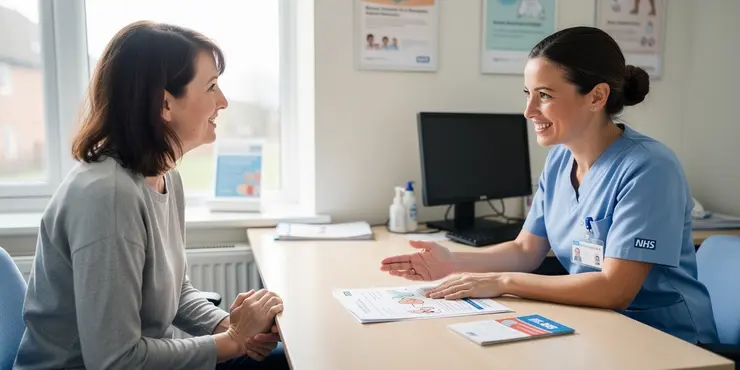

Speak To An Expert
Get clear, personalised advice for your situation.
Jot down a few questions to make the most of your conversation.
Introduction to Bowel Cancer Support
Bowel cancer, also known as colorectal cancer, is a common and serious illness in the UK. Receiving a diagnosis can be daunting, but a wide range of support is available to help individuals navigate treatment and recovery. From medical treatment and psychological support to practical assistance and community resources, individuals with bowel cancer are not alone on this journey.
Medical Support
Once diagnosed with bowel cancer, patients will be assigned a multidisciplinary team (MDT) of healthcare professionals, including oncologists, surgeons, radiologists, and specialist nurses. The MDT collaborates to create a personalized treatment plan, ensuring patients receive the most effective combination of surgery, chemotherapy, radiotherapy, or other treatments. Specialist nurses, such as colorectal nurse specialists, provide crucial support by answering questions, coordinating care, and offering guidance throughout the treatment process.
Psychological Support
Coping with a cancer diagnosis can be emotionally challenging. Psychological and emotional support is available through various channels. Many hospitals provide access to clinical psychologists or counselors who specialize in supporting cancer patients. In addition, charities such as Macmillan Cancer Support and Bowel Cancer UK offer helplines and online support services, where individuals can speak to trained professionals about their concerns or anxieties.
Practical Assistance
Navigating the practical aspects of life with bowel cancer is made more manageable with the right support. Macmillan Cancer Support offers guidance on financial concerns, including accessing benefits and applying for grants. Patients can reach out to social services for help with transportation to medical appointments or arranging necessary adaptations in the home. Some charities also provide volunteers who can assist with daily tasks like shopping or cleaning.
Community and Peer Support
Connecting with others who have experienced bowel cancer can be incredibly beneficial. Peer support groups provide a safe space for individuals to share experiences and advice. Bowel Cancer UK and other organizations host local and online support groups where patients and families can connect. Online forums and social media groups also facilitate the sharing of stories and encouragement within the bowel cancer community, providing comfort and understanding to those affected.
Resources for Families and Caregivers
Supporting a loved one with bowel cancer can also be challenging for families and caregivers. Numerous resources offer guidance and support to help them cope. Informational sessions, caregiver support groups, and dedicated helplines are available through cancer charities. Education on bowel cancer, coping strategies, and communication tips enable loved ones to provide effective support while also taking care of their own emotional well-being.
Conclusion
A diagnosis of bowel cancer is undoubtedly challenging, but the support available in the UK is comprehensive. From medical care to emotional and practical assistance, individuals with bowel cancer and their families have access to a range of resources to help them through this difficult time. Leveraging this support network can improve outcomes and provide comfort and hope on the journey towards recovery.
Introduction to Bowel Cancer Support
Bowel cancer, also called colorectal cancer, is a serious illness in the UK. Finding out you have this can be scary, but there is lots of help available. You can get medical help, talk to someone about your feelings, and get practical support. There are people and groups to help you through your treatment and recovery. You are not alone.
Medical Support
If you have bowel cancer, a team of doctors and nurses will look after you. These include cancer doctors, surgeons, and specialist nurses. They will make a treatment plan just for you. This plan might include surgery, medicine, or other treatments. The specialist nurses are there to answer your questions and help you understand what will happen.
Psychological Support
Finding out you have cancer can be very hard. There is help for your feelings and worries. Hospitals have experts who can talk to you about how you feel. Charities like Macmillan Cancer Support can help too. They have phone lines and online chats where you can talk to someone about your worries.
Practical Assistance
Having bowel cancer can make everyday life tricky, but help is available. Macmillan Cancer Support can advise you on money matters like benefits and grants. Social services can help with getting to the hospital or making changes to your home. Some charities have volunteers who can help with shopping or cleaning.
Community and Peer Support
Talking to others with bowel cancer can be very helpful. You can join support groups where you can share experiences and tips. Bowel Cancer UK offers local and online groups. You can also join online forums and social media groups to meet others and find support.
Resources for Families and Caregivers
Looking after someone with bowel cancer can be hard for families. There are resources to help them too. They can join support groups or call helplines for advice. Learning more about bowel cancer and how to help can make it easier for them to support their loved one and also take care of themselves.
Conclusion
Having bowel cancer is tough, but there is a lot of support in the UK. From doctors and nurses to people to talk to and help with everyday life, there are many resources available. Using this support can make things a bit easier and bring hope during a difficult time.
Frequently Asked Questions
Individuals can access financial support through government benefits, grants from cancer charities, and sometimes financial counseling services provided by hospitals or cancer organizations.
Yes, there are support groups specifically for bowel cancer patients, both in person and online, where individuals can share experiences and advice.
Absolutely. Many organizations offer resources and support networks for caregivers to help them manage the emotional and physical demands of caregiving.
Patients can access counseling, therapy sessions, or support groups that help address the emotional impact of a cancer diagnosis.
Yes, many hospitals and cancer centers offer nutrition counseling to help patients manage their diet and maintain their weight during treatment.
Some cancer charities and local community services offer transportation assistance to help patients get to and from medical appointments.
Palliative care is available to help manage symptoms and improve quality of life for bowel cancer patients, often through specialized healthcare teams.
Yes, patients can access physical therapy, occupational therapy, and other rehabilitation services to aid recovery and maintain independence.
Various organizations provide educational brochures, websites, and workshops to help patients and their families understand the condition and treatments.
Yes, home healthcare services can provide medical care at home, including nursing support and palliative care, depending on the patient's needs.
Patients can often access free or low-cost legal advice regarding employment rights, insurance claims, and preparing health directives.
Yes, bowel cancer patients may be eligible for clinical trials which can provide access to new treatments and therapies.
Patients are encouraged to seek second opinions to ensure they are comfortable and informed about their diagnosis and treatment options.
Support for families includes counseling, support groups, and educational resources to help them cope and support their loved one.
Yes, genetic counseling can help assess the risk of hereditary bowel cancer and guide family members on their own health monitoring.
Yes, healthcare providers often offer guidance on lifestyle changes, such as diet and physical activity, to help manage symptoms and improve outcomes.
Many hospitals offer chaplaincy services and can connect patients with spiritual care that aligns with their beliefs.
Most insurance plans cover bowel cancer treatments, but patients should check their specific policy and seek assistance for any insurance queries.
Healthcare teams provide strategies and medications to manage side effects of treatments such as chemotherapy or radiation.
Yes, patient advocacy groups and healthcare providers can offer plain-language resources and glossaries to help patients understand medical terminology.
People can get money help from the government, or from cancer charities. Sometimes hospitals or cancer groups can also give money advice.
Yes, there are groups that help people with bowel cancer. You can meet with them in person or talk online. In these groups, people share their stories and give advice.
Yes, definitely! There are groups and places that help people who look after others. They can help with feelings and the hard work of taking care of someone.
People can talk to a counselor, go to therapy sessions, or join support groups. These things can help with feelings when someone finds out they have cancer.
Yes, many hospitals and cancer centers have people who help you with eating. They can show you how to eat well and stay a healthy weight while you are getting better.
Some groups that help people with cancer and local community services can help arrange rides for patients to get to and from the doctor.
Palliative care is special help for people with bowel cancer. It helps with pain and feeling better. Special doctors and nurses give this care.
Yes, patients can get help from physical therapy, occupational therapy, and other programs. These can help you get better and stay independent.
There are groups that can help you learn about your illness and the treatments for it.
They make easy-to-read booklets, websites, and have meetings where they explain things simply.
These can help you and your family understand better.
Yes, people can get medical help at home. This can include care from nurses and special care to make someone feel better. What help they get depends on what the person needs.
People can often get free or cheap help with the law. This help is about jobs, insurance, and planning for health care.
Yes, people with bowel cancer might be able to join special research studies. These studies can help them get new medicines and treatments.
It is good for patients to ask other doctors what they think. This can help patients feel sure about what is wrong and how to get better.
Asking more than one doctor can help you understand better.
Families can get help from talking to someone about their feelings, joining groups where they can share stories and learn from others, and using books or websites to learn more. This helps them feel better and support the person they care about.
Yes, talking to a genetic counselor can help. They can find out if bowel cancer runs in your family. They can also help your family know what health checks they might need.
Yes, doctors and nurses can help you with healthy living. They give advice on eating right and moving your body. This helps you feel better and stay healthy.
Many hospitals have chaplains. Chaplains help people with their beliefs. They can help you feel better by talking about things that matter to you.
Most insurance plans help pay for bowel cancer treatments. But it is important for patients to look at their own insurance plan to be sure. If you have questions about your insurance, ask someone for help.
Doctors and nurses help when medicines like chemotherapy or radiation make you feel bad. They give you other medicines and ideas to feel better.
Yes, there are groups and doctors who can help. They can give you simple words and lists to make it easier to understand medical words.

Ergsy Search Results
This website offers general information and is not a substitute for professional advice.
Always seek guidance from qualified professionals.
If you have any medical concerns or need urgent help, contact a healthcare professional or emergency services immediately.
Some of this content was generated with AI assistance. We've done our best to keep it accurate, helpful, and human-friendly.
- Ergsy carefully checks the information in the videos we provide here.
- Videos shown by Youtube after a video has completed, have NOT been reviewed by ERGSY.
- To view, click the arrow in centre of video.
- Most of the videos you find here will have subtitles and/or closed captions available.
- You may need to turn these on, and choose your preferred language.
- Go to the video you'd like to watch.
- If closed captions (CC) are available, settings will be visible on the bottom right of the video player.
- To turn on Captions, click settings.
- To turn off Captions, click settings again.