
Get Answers
Introduction
Bowel cancer, also known as colorectal cancer, is a significant health concern in the UK. It is one of the most common types of cancer, with thousands of new cases diagnosed annually. While it is not always possible to prevent bowel cancer, certain lifestyle changes and screenings can reduce the risk of developing the disease. Understanding these factors can help individuals make informed decisions about their health.
Dietary Influence
Diet plays a crucial role in reducing the risk of bowel cancer. A diet high in red and processed meats is linked to an increased risk, while a diet rich in fruits, vegetables, and whole grains is associated with a lower risk. Including a variety of plant-based foods in one's diet provides essential nutrients and fibre, which can help maintain a healthy digestive system. The UK’s National Health Service (NHS) recommends limiting the intake of red and processed meats and encouraging the consumption of fibre-rich foods for better bowel health.
Maintaining a Healthy Lifestyle
Regular physical activity is another important factor in preventing bowel cancer. Engaging in moderate exercise, such as walking, cycling, or swimming, helps maintain a healthy weight and can reduce the risk of cancer. Obesity is a known risk factor for bowel cancer, so maintaining a healthy weight through diet and exercise is crucial. Additionally, limiting alcohol consumption and avoiding smoking can further decrease the risk of bowel cancer and improve overall health.
Screening and Early Detection
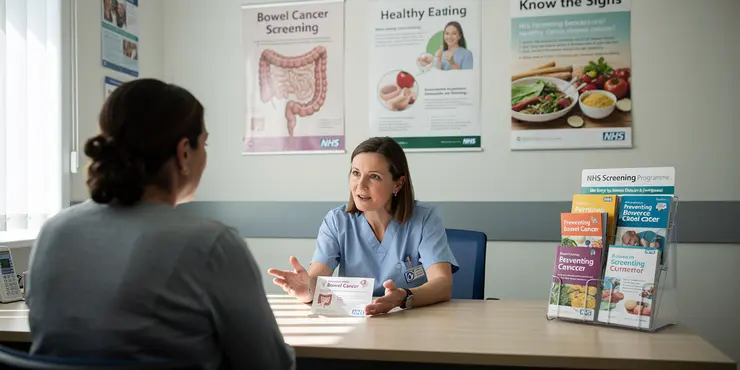
Screening is an effective way to catch bowel cancer early when it is most treatable. The NHS offers bowel cancer screening to detect early signs of the disease. In England, individuals aged 60 to 74 are automatically invited to take part in the NHS Bowel Cancer Screening Programme every two years. The programme involves a home test kit that checks for hidden blood in the stool, which can be an early sign of bowel cancer. Early detection significantly improves treatment outcomes and survival rates.
Genetic Factors
While lifestyle changes can significantly impact bowel cancer risk, genetics also play a role. Individuals with a family history of bowel cancer may have a higher risk of developing the disease. It’s crucial for these individuals to discuss their risk with a healthcare professional. Genetic counselling and regular screenings can help manage and mitigate this risk. Knowing one's family history and having open conversations with doctors can lead to personalised prevention strategies.
Conclusion
While not all cases of bowel cancer can be prevented, adopting a healthy lifestyle and participating in regular screenings can significantly lower the risk. Eating a balanced diet, staying physically active, avoiding tobacco, and limiting alcohol play important roles in prevention. Additionally, understanding hereditary risks and participating in screening programmes are essential for early detection and successful treatment. Individuals are encouraged to consult healthcare professionals for guidance tailored to their circumstances.
Introduction
Bowel cancer is a type of cancer that affects the stomach area. It is a common illness in the UK. Many new people get it each year. We cannot always stop bowel cancer from happening, but we can do things to lower the risk. Eating well and having check-ups can help. Knowing these things can help people make good choices about their health.
Dietary Influence
What we eat can help us stay healthy and avoid bowel cancer. Eating too much red meat or processed foods can increase the risk. Eating lots of fruits, vegetables, and whole grains can lower the risk. These foods give us important nutrients and fibre, which help keep our stomachs healthy. The NHS, which helps people stay healthy in the UK, says to eat less red meat and more foods with fibre.
Maintaining a Healthy Lifestyle
Exercising is good for our health and can help prevent bowel cancer. Activities like walking, cycling, and swimming can keep our bodies strong and healthy. Keeping a healthy weight is important because being very overweight can increase the risk of bowel cancer. Not drinking too much alcohol and not smoking are also good ways to lower the risk and stay healthy.
Screening and Early Detection
Screening helps find bowel cancer early when it is easier to treat. In the UK, people aged 60 to 74 are invited to do a test every two years. The test can find early signs of bowel cancer. It looks for hidden blood in the poo, which can mean there is a problem. Finding the cancer early makes it easier to treat and increases the chance of getting better.
Genetic Factors
Sometimes, bowel cancer can run in families. If someone in your family had bowel cancer, you might have a higher chance of getting it. It is important to talk to a doctor about this. Doctors can help with advice and extra check-ups. Knowing your family history and talking openly with your doctor can help keep you safer.
Conclusion
We can’t stop all bowel cancer, but we can lower the risk. Eating healthy food, staying active, not smoking, and drinking less alcohol can help. Knowing if your family had bowel cancer and going to regular health check-ups are important too. It is good to talk to doctors to get advice that is right for you.
Frequently Asked Questions
Maintaining a healthy weight, eating a balanced diet, exercising regularly, and avoiding smoking and excessive alcohol consumption can help reduce the risk of bowel cancer.
A diet high in red and processed meats can increase the risk, while a diet rich in fruits, vegetables, and whole grains is associated with a lower risk.
Yes, regular screening can detect precancerous changes in the bowel, allowing for early intervention and prevention of cancer development.
Yes, diets high in fiber, particularly from whole grains and fruits, have been linked to a reduced risk of bowel cancer.
Yes, a family history of bowel cancer can increase an individual's risk, and genetic testing may be recommended for those with a strong family history.
Some studies suggest that aspirin and other nonsteroidal anti-inflammatory drugs (NSAIDs) might reduce the risk, but they are not recommended for prevention without medical advice due to potential side effects.
Heavy alcohol consumption is linked to an increased risk of bowel cancer, so moderating alcohol intake can be beneficial.
Regular physical activity is associated with a lower risk of bowel cancer. Aim for at least 150 minutes of moderate aerobic activity per week.
Yes, smoking is a known risk factor for many cancers, including bowel cancer, so quitting can reduce the risk.
Being overweight or obese increases the risk of developing bowel cancer, so maintaining a healthy weight through diet and exercise can help reduce the risk.
Yes, removing polyps during a colonoscopy can prevent them from becoming cancerous.
Reducing red and processed meat intake can lower the risk of bowel cancer due to decreased exposure to carcinogens formed during processing and cooking.
Staying well-hydrated aids in digestion and may help prevent conditions like constipation, which can impact bowel health.
Some studies suggest that maintaining adequate vitamin D levels might be linked to a lower risk of bowel cancer, but more research is needed.
Calcium from food sources might help protect against bowel cancer, but excessive supplementation should be avoided unless advised by a doctor.
Probiotics might contribute to gut health, but their direct role in preventing bowel cancer is still being studied.
Risk increases with age, which is why regular screening is recommended starting at age 45 or earlier if you have risk factors.
Yes, people with certain conditions like inflammatory bowel disease (IBD) or genetic syndromes may have a higher risk and should discuss surveillance strategies with their doctor.
A sedentary lifestyle is linked to a higher risk of bowel cancer, emphasizing the importance of regular physical activity.
Screening frequency depends on individual risk factors. Generally, it's recommended every 10 years for average-risk individuals starting at age 45, but you should consult your healthcare provider.
To keep your tummy healthy and lower the chance of bowel cancer, you can try these things:
- Keep a healthy weight.
- Eat a mix of different healthy foods.
- Exercise often, like walking or playing.
- Do not smoke.
- Don't drink too much alcohol.
These habits can help you stay healthy!
Eating a lot of red meat and processed meats can make you more likely to get sick. Eating lots of fruits, vegetables, and whole grains can help you stay healthy.
Yes, regular check-ups can find early changes in the bowel. This helps stop cancer from starting. It's like catching a problem before it becomes big.
Try using simple words and take your time to understand. You can use tools like audiobooks or colored overlays to help read better.
Yes, eating a lot of fiber is good for you. Fiber is in foods like whole grains and fruits. Eating these foods can help lower the chance of getting bowel cancer.
Yes, if someone in your family had bowel cancer, you might have a higher chance of getting it too. Doctors might suggest a special test to check your genes if lots of people in your family had this cancer.
Some studies say that aspirin and other drugs like it might help lower the risk. But you should not take them without talking to a doctor first. They can have side effects that might not be safe.
Drinking a lot of alcohol can make it more likely to get bowel cancer. Drinking less alcohol can help keep you healthy.
Doing exercise often can help protect you from getting bowel cancer. Try to do 150 minutes of exercise each week. This means about 30 minutes a day, for five days.
Yes, smoking can make it more likely for people to get cancers like bowel cancer. Stopping smoking can make this risk smaller.
Being too heavy can make it more likely to get bowel cancer. Eating healthy food and doing exercise can help you stay at a good weight and lower the chances of getting this cancer.
Yes, taking out polyps during a colonoscopy can stop them from turning into cancer.
Eating less red and processed meat can help lower the risk of bowel cancer. This is because there are harmful things in meat that are made when it is processed and cooked. Eating less of these meats means you have less chance of getting these harmful things in your body.
Drinking enough water helps your body digest food. It can also stop you from getting constipated, which means having a hard time going to the toilet. This is good for your tummy and bowels. Tip: Use a water bottle to remind you to drink more water!
Some studies say that having enough vitamin D might help lower the risk of getting bowel cancer. But scientists need to do more research to be sure.
Getting calcium from food can help protect you from bowel cancer. But don't take too many calcium pills unless your doctor says it's okay.
Probiotics can help your tummy stay healthy. Scientists are still checking if they stop bowel cancer.
Try using pictures or videos to learn more.
The risk gets bigger as you get older. This is why it is a good idea to start regular health checks when you are 45 years old. If you have things called risk factors, it's a good idea to start even earlier.
Yes, some people may get sick more easily. This can happen if they have something like a sore tummy all the time or because of their genes. They should talk to their doctor about how to stay healthy.
Not moving a lot can make your chances of getting bowel cancer higher. This is why it's important to move and exercise regularly.
How often you get checked depends on your personal health. Most people start getting checked at age 45, and it's usually done every 10 years after that. But it's important to talk to your doctor about what's right for you.

Ergsy Search Results
This website offers general information and is not a substitute for professional advice.
Always seek guidance from qualified professionals.
If you have any medical concerns or need urgent help, contact a healthcare professional or emergency services immediately.
Some of this content was generated with AI assistance. We've done our best to keep it accurate, helpful, and human-friendly.
- Ergsy carefully checks the information in the videos we provide here.
- Videos shown by Youtube after a video has completed, have NOT been reviewed by ERGSY.
- To view, click the arrow in centre of video.
- Most of the videos you find here will have subtitles and/or closed captions available.
- You may need to turn these on, and choose your preferred language.
- Go to the video you'd like to watch.
- If closed captions (CC) are available, settings will be visible on the bottom right of the video player.
- To turn on Captions, click settings.
- To turn off Captions, click settings again.