
Get Answers
Introduction
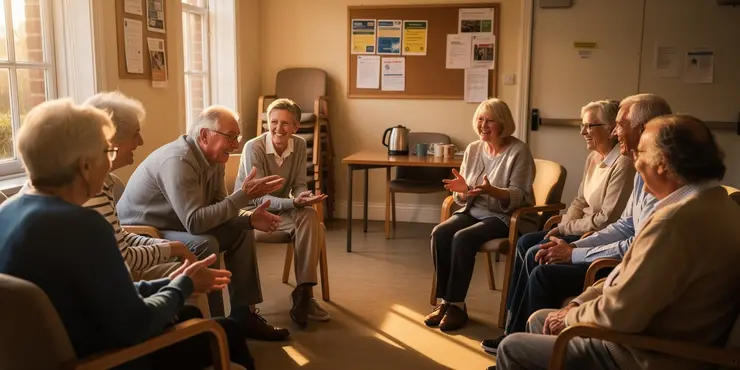
For older adults, joining new groups can be a daunting experience filled with various fears and hesitations. As people age, their social circles tend to shrink, and the prospect of integrating into new social settings can present several challenges. Understanding these common fears is essential in helping older adults overcome barriers to social participation.
Fear of Rejection
One prevalent concern among older adults is the fear of rejection. Many worry that they might not be accepted by the new group or that they might not fit in with the existing members. This apprehension can be particularly acute if the group is composed of individuals from a different age bracket or if the activities are unfamiliar. The fear of not being included or valued can deter many from taking the initial step to join.
Anxiety About New Social Situations
Anxiety about navigating new social situations is another common hesitation. Older adults may feel unsure about how to behave or communicate in new settings. They may be concerned about making a poor first impression or not being able to engage in conversations effectively. This anxiety can stem from a lack of recent experience in meeting new people or participating in group activities.
Concerns About Physical Limitations
Physical limitations can also play a significant role in the hesitation to join new groups. Older adults might worry about keeping up with the physical demands of certain activities, particularly if the group is centered around sports or physical recreation. Concerns about mobility, stamina, and the ability to participate fully can prevent older adults from engaging with new social opportunities.
Lack of Confidence in Learning New Skills
For many older adults, the prospect of having to learn new skills or adapt to new technologies can be daunting. This lack of confidence can be a significant barrier to joining groups that focus on learning or technological activities. Older adults might feel that they are too old to learn new things or that they will struggle to keep pace with younger members.
Fear of Time Commitment
The fear of committing time and effort to a new group can also be a deterrent. Older adults may worry that joining a group will require more time than they are willing to invest, especially if they have other obligations or prefer to keep their schedules flexible. The unknown time commitment can make it challenging to decide to become part of a new community.
Conclusion
Understanding these common fears and hesitations is crucial for creating welcoming environments for older adults. By addressing these concerns and providing supportive spaces, older adults can be encouraged to participate more actively in social groups, benefiting their mental and emotional well-being.
Introduction
Joining new groups can be hard for older adults. As people get older, their friends may be fewer. Making new friends can be scary and difficult. Knowing these fears can help older adults join in and have fun with others.
Fear of Rejection
Many older adults worry that new groups may not accept them. They might feel they don't fit in. This can be worse if the group is mostly younger people or if the activities are new to them. They might be scared they won't feel welcome. This can stop them from joining.
Anxiety About New Social Situations
Older adults may feel nervous about meeting new people. They might not know what to say or do. They could be worried about not saying the right thing. If they haven't met new people for a while, this can make them anxious about starting conversations.
Concerns About Physical Limitations
Physical problems can stop older adults from joining new groups. They might be worried they can't keep up with physical activities, especially if the group does sports. Worries about moving easily or getting tired can make older adults avoid joining.
Lack of Confidence in Learning New Skills
Learning new things can be scary for older adults. They might feel unsure about learning and using new things. This can be a problem for groups that teach new skills or use new technologies. They may feel too old to learn or worry they can't keep up with others.
Fear of Time Commitment
Joining a group might take a lot of time. Older adults may not want to give a lot of their time if they have other things to do or like to keep their schedule open. Not knowing how much time it will take can make it hard for them to decide to join.
Conclusion
It is important to know what older adults worry about. Making a friendly place for them can help them join more groups. This can help them feel happier and more connected with others.
Frequently Asked Questions
Older adults might worry about fitting in with new groups due to unfamiliarity with group dynamics or concern about different interests or life experiences.
Older adults may fear they won't be able to communicate effectively, especially if the group includes younger members with different communication styles or more reliance on technology.
Concerns about physical limitations can make older adults hesitant, as they may worry about keeping up with group activities that require physical exertion.
Older adults may feel intimidated by groups that rely heavily on digital communication or online meetings, fearing a lack of necessary tech skills.
Older adults may be on fixed incomes and worry about the costs associated with participation, such as membership fees or travel expenses.
Older adults might be concerned about being judged by others, especially regarding their age, lifestyle, or abilities, which can lead to hesitation.
They may worry that they won't have anything valuable to offer or that they can't keep up with the group’s needs or expectations.
Joining new groups represents a change from their routine or comfort zone, which can be daunting at an older age.
Previous experiences where they felt excluded or misunderstood can make older adults wary of new social settings.
Chronic health issues or concerns about energy levels might make some older adults hesitant to commit to group activities.
They might feel out of touch or worry that they won't relate to younger individuals, leading to feelings of intimidation.
Limited transportation options or the fear of driving in unfamiliar areas can contribute to reluctance in joining groups.
Older adults might fear that joining a group could somehow limit their independence if it requires commitment beyond their comfort level.
Fear of experiencing age-related prejudice or stereotypes can deter older adults from engaging with unfamiliar social groups.
Older adults may fear that their cognitive abilities or memory might not keep pace with group activities and discussions.
Generational differences in culture, values, or humor may make older adults feel disconnected from the group.
Older adults experiencing lower self-esteem might doubt their ability to socialize or make new friends effectively.
Societal norms about age-appropriate behavior or activities can lead older adults to question whether they should join new groups.
They might be concerned about whether they can or want to commit the necessary time for regular participation.
Many older adults have caregiving responsibilities for spouses or grandchildren, which can limit their ability to commit to new groups.
Older people might worry about joining new groups. They may feel unsure because they don't know the group's rules or they might think they have different hobbies and life stories.
Older people might worry about talking well with others. This can happen if there are younger people who talk differently or use technology more.
Older people might worry about joining group activities if they think their bodies can't keep up. They might be afraid they won't be able to do all the exercises or movements.
Older people might feel scared in groups that use computers or phones a lot to talk or meet. They might worry they don't know how to use the tech stuff.
Older people might have a set amount of money to spend every month. They might worry about how much it costs to join activities, like membership fees or getting there.
Older people might worry about what others think of them. They might worry about their age, how they live, or what they can do. This can make them unsure or hesitant.
They might be scared that they have nothing important to share. They might also think they can't do what the group wants or needs.
Joining new groups is a big change. It can be scary when you are older because it is different from what you are used to.
Older people might be nervous about meeting new people because they have felt left out or misunderstood before.
Some older people might worry about group activities because they have health problems or feel tired a lot.
Older people might feel left out. They might worry they will not understand younger people. This can make them feel scared.
Some people don't have many ways to get around. This can make it hard for them to join groups. Also, some people feel scared to drive in places they don't know. This can stop them from joining in too.
Older people might worry about joining a group. They might think it will make them feel less free if they have to do more than they like.
Older people might be scared of meeting new people because they worry others will judge them for being older.
Older people might worry that their thinking or memory is not as fast as others in a group.
People from different age groups might not share the same culture, values, or sense of humor. This can make older adults feel like they don't fit in with the group.
Older people who have low self-esteem might feel unsure about talking to others or making new friends.
People have ideas about what is right or wrong for different ages. These ideas can make older people wonder if they should join new groups.
They may worry about having enough time to join in regularly.
Many older people take care of their husband, wife, or grandchildren. This means they might not have time to join new groups.

Ergsy Search Results
This website offers general information and is not a substitute for professional advice.
Always seek guidance from qualified professionals.
If you have any medical concerns or need urgent help, contact a healthcare professional or emergency services immediately.
Some of this content was generated with AI assistance. We've done our best to keep it accurate, helpful, and human-friendly.
- Ergsy carefully checks the information in the videos we provide here.
- Videos shown by Youtube after a video has completed, have NOT been reviewed by ERGSY.
- To view, click the arrow in centre of video.
- Most of the videos you find here will have subtitles and/or closed captions available.
- You may need to turn these on, and choose your preferred language.
- Go to the video you'd like to watch.
- If closed captions (CC) are available, settings will be visible on the bottom right of the video player.
- To turn on Captions, click settings.
- To turn off Captions, click settings again.