
Get Answers
Understanding the Fear
Many older adults experience trepidation when considering a new hobby. This fear often stems from self-doubt, the worry of being judged by others, or the belief that starting something new at an older age might be too challenging. Recognizing these underlying fears is the first step towards overcoming them. Addressing these concerns is crucial, as hobbies can provide numerous benefits, including improved mental well-being and increased social interaction.
Start Small and Build Confidence
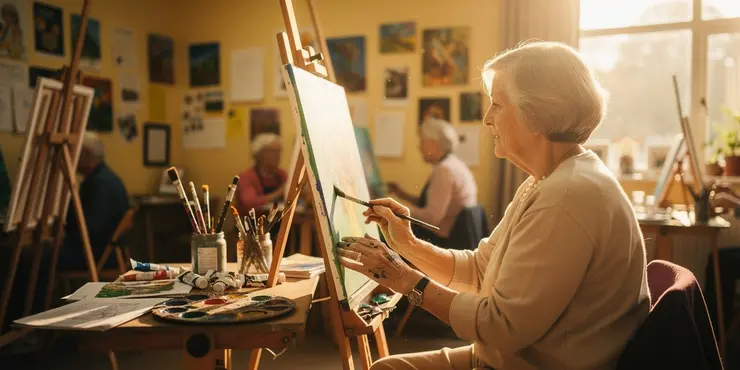
One effective strategy to overcome fear is to start small. Older adults can choose activities that don't require a significant time or financial investment. Starting with manageable tasks helps build confidence and eases the transition into more complex hobbies. For example, if someone is interested in painting, they might begin with a simple drawing exercise before committing to a structured art class. As their confidence grows, they can progressively tackle more intricate projects.
Focus on Enjoyment Over Perfection
Another important aspect of overcoming fear is shifting the focus from achieving perfection to enjoying the process. Older adults are often more critical of themselves and might fear that they won't excel in a new hobby. Emphasising the joy of learning and progressing at one's own pace can alleviate this pressure. Encouragement from peers or family members can also reinforce the idea that hobbies are meant for enjoyment and personal fulfilment rather than mastery.
Seek Support and Community
Trying a new hobby can be less intimidating with a support system. Engaging in group classes or hobby clubs can provide a sense of community and shared experience. In the UK, numerous clubs and societies welcome beginners and offer a supportive environment where older adults can meet like-minded individuals. Many local councils and community centres offer classes tailored to older adults, making it easier to find age-appropriate activities. Additionally, online communities and forums can offer advice and encouragement for those who may prefer learning at home.
Embrace Technology
Technology can also play a significant role in enabling older adults to explore new hobbies. Online tutorials and virtual classes are excellent resources for learning new skills from the comfort of one’s home. For those less familiar with technology, many local libraries and community centres in the UK offer computer literacy courses specifically designed for older adults. Embracing technology can not only open up new hobby opportunities but also reduce the fear associated with trying something new.
Conclusion
Overcoming the fear of trying a new hobby involves understanding personal fears, starting small, and focusing on enjoyment. With community support and the use of technology, older adults in the UK can confidently explore new interests. Ultimately, the key is to approach new hobbies with an open mind and a willingness to embrace the experience, leading to greater personal satisfaction and wellbeing.
Understanding the Fear
Many older people feel scared when they think about trying a new hobby. This fear can come from not believing in themselves, worrying about what others think, or thinking it is too hard to start something new when older. It's important to understand these fears to get over them. Hobbies are good because they help you feel happy and let you meet new friends.
Start Small and Build Confidence
A good way to beat fear is to begin with something small. Older people can pick hobbies that do not need a lot of time or money. Doing easy things first helps you feel more sure of yourself and makes it easier to try bigger projects later. If you want to try painting, you could start with drawing simple pictures. When you feel more confident, you can try harder things.
Focus on Enjoyment Over Perfection
Don't worry about being perfect. Try to have fun instead. Older people might think they have to be really good at a new hobby, but it's more important to enjoy learning. It's okay to make mistakes and go at your own speed. Getting support from friends and family can help you remember that hobbies are for having fun, not being the best.
Seek Support and Community
Having friends makes trying a new hobby easier. Joining a class or a hobby club can help you meet other people who like the same things. In the UK, there are lots of clubs for beginners and older people. Many community centers have classes for older adults. It is nice to learn with others. You can also find groups online if you like to learn at home.
Embrace Technology
Technology can help older adults try new hobbies. Online videos and classes are great for learning at home. If you are new to technology, many libraries and community centers in the UK have computer classes for older people. Using technology can help you try new hobbies and make learning less scary.
Conclusion
To try a new hobby, understand your fears, start with small steps, and focus on having fun. With help from others and technology, older people in the UK can try new things confidently. The important thing is to be open to new experiences, which can make you happier and improve your well-being.
Frequently Asked Questions
Older adults may fear trying a new hobby due to concerns about their ability to learn new skills, fear of failure, or concern about physical limitations.
Setting small, achievable goals can make the process less overwhelming and help build confidence as they accomplish each step.
Genuine interest can increase motivation and enjoyment, making it more likely they will stick with the hobby.
They can remind themselves that learning is a personal journey and that most people respect and admire those who take on new challenges.
Social support from friends, family, or hobby groups can provide encouragement and reinforce that mistakes are part of the learning process.
Beginner classes create a welcoming environment where everyone is at a similar skill level, reducing the fear of not knowing enough.
Choosing hobbies that match physical capabilities helps prevent injury and builds confidence, encouraging further exploration.
Online resources, such as tutorials and forums, provide easy access to information and support without the pressure of in-person classes.
Breaking routines can open up time and mental space for new activities, making it easier to integrate a new hobby into daily life.
Managing expectations helps avoid frustration and allows them to appreciate progress at their own pace.
Practicing mindfulness can help older adults stay present and reduce anxiety about potential mistakes or outcomes.
Such groups provide encouragement, share experiences, and can offer companionship, making it easier to stick with the hobby.
They can track personal milestones and celebrate small accomplishments, focusing on their own improvement rather than others’ achievements.
Embracing the role of a beginner allows for openness to learning and reduces the pressure to perform perfectly from the start.
Engaging in hobbies can provide a sense of purpose, reduce stress, and boost cognitive function, contributing to better mental health.
Gardening, painting, knitting, or walking clubs are hobbies that can be gentle on the body while still providing enrichment.
Community centers, libraries, and local clubs often offer hobby groups or classes tailored to various interests and skill levels.
Celebrating small successes boosts confidence and helps maintain motivation by acknowledging progress.
Lifelong learning programs offer structured opportunities and resources tailored to older adults for discovering and developing interests.
Adopting a growth mindset, which embraces learning and challenges as opportunities for growth, can help overcome fear.
Older people might be scared to try a new hobby. They might worry about learning something new. They might be afraid they won't be good at it. They could also be worried about their bodies not being able to do it.
Try making small and easy goals. This makes things less scary. Each time you finish a goal, you feel more confident.
When you really like something, it can make you want to do it more. This can make it fun. If you have fun, you might keep doing it for a long time.
Remember, learning is like a personal adventure. Most people respect and admire you when you try new things.
Getting help from friends, family, or groups who like the same things as you can be a big help. They can cheer you on and remind you that it's okay to make mistakes when you are learning.
Beginner classes are friendly places. Everyone is learning, so no one feels worried about not knowing things.
Picking hobbies that fit what your body can do helps you stay safe and feel good about yourself. This makes you want to try more new things.
There are lots of helpful things online, like how-to videos and places to chat. These things can give you information and help. You can learn and ask questions without having to be in a class with other people.
Changing your daily routine can give you more time and help you think about new things. This can make it easier to start a new hobby and fit it into your day.
When we understand what might happen, we don’t get upset as much. This helps us see how well we are doing, step by step.
Practicing mindfulness can help older adults stay focused on the now. It can also help them feel less worried about making mistakes or what might happen later.
Here are some ways to practice mindfulness:
- Breathe deeply and slowly. Pay attention to each breath.
- Notice sounds around you, like birds singing.
- Focus on how your body feels, like if your feet are warm or if your hands are cold.
These groups help you feel good, share stories, and make friends. They make it easier to keep enjoying your hobby.
People can keep track of their own little victories. They can cheer for their own hard work. It’s good to look at how they have gotten better, instead of what others are doing.
When you start as a beginner, you can learn new things. It takes away the worry of being perfect right away.
Doing hobbies can help you feel happy and give you a reason to do things. They can also make you feel less worried and help your brain work better. This is good for your mental health.
Gardening, painting, knitting, and walking are fun hobbies. They are easy on your body and make you feel good.
Places like community centers, libraries, and local clubs have groups or classes for hobbies. These are made for people with different interests and skill levels.
When you celebrate small wins, it makes you feel good and helps you stay excited to keep going. It shows you that you are getting better.
Lifelong learning programs help older people find new things they like and want to learn more about.
A growth mindset helps you learn and get better. It means seeing new things and challenges as chances to grow. This can help you feel less scared.

Ergsy Search Results
This website offers general information and is not a substitute for professional advice.
Always seek guidance from qualified professionals.
If you have any medical concerns or need urgent help, contact a healthcare professional or emergency services immediately.
Some of this content was generated with AI assistance. We've done our best to keep it accurate, helpful, and human-friendly.
- Ergsy carefully checks the information in the videos we provide here.
- Videos shown by Youtube after a video has completed, have NOT been reviewed by ERGSY.
- To view, click the arrow in centre of video.
- Most of the videos you find here will have subtitles and/or closed captions available.
- You may need to turn these on, and choose your preferred language.
- Go to the video you'd like to watch.
- If closed captions (CC) are available, settings will be visible on the bottom right of the video player.
- To turn on Captions, click settings.
- To turn off Captions, click settings again.