
Get Answers
Introduction
Finding local hobby groups can be a rewarding way for older adults in the UK to engage with their community, meet new people, and explore interests. With several resources and methods available, joining a hobby group has never been more accessible. The following sections outline various strategies and resources that can help older adults find local hobby groups.
Online Resources
The internet is a valuable tool for locating hobby groups. Websites such as Meetup.com offer extensive directories of groups that cater to diverse interests, from arts and crafts to hiking. Older adults with computer access can use these platforms to search for groups by location and interest. Additionally, online community forums or social media platforms like Facebook might have local group listings, where people regularly post information about upcoming events and meetings.
Community Centres and Libraries
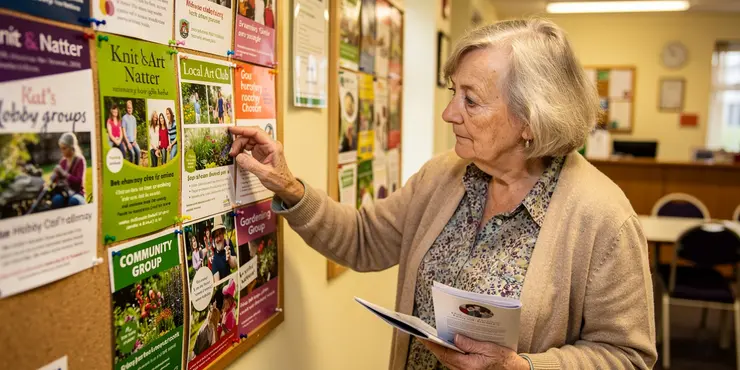
Community centres and local libraries are traditional spots where local hobby groups often meet or post information about their activities. These venues typically offer bulletin boards filled with flyers and brochures on various clubs and events. By visiting these places, older adults might find information about book clubs, knitting circles, gardening groups, and more. Moreover, staff at these locations can often provide recommendations or further information about local activities catering to older individuals.
Local Newspapers and Magazines
Though digital media is popular, traditional local newspapers and magazines remain a potent source of information about community events and groups. Older adults may find announcements for hobby groups in the event listings or feature articles. These publications sometimes have dedicated sections for community notices, which may include clubs looking for new members.
Word of Mouth and Friends
Sometimes, the best way to discover local hobby groups is through personal connections. Engaging with friends, family, or neighbours can yield recommendations for clubs or activities. As many people within the community may already participate in such activities, they can provide first-hand insights into what to expect and how to join.
Churches and Religious Organisations
Churches and other religious organisations frequently host community groups and activities. For older adults interested in hobby groups, these institutions often provide a welcoming environment, offering various activities from choir groups to charity crafting sessions. Such settings are beneficial because they often emphasise community and inclusiveness.
Volunteer Organisations
Volunteering itself can be a hobby, and organisations that focus on community service can be excellent places to find hobby-related groups. Participating in volunteer activities can lead to joining gardening committees, charity shops, or historical society projects, offering both fulfillment and social interaction.
Conclusion
In conclusion, older adults in the UK have numerous avenues to find local hobby groups, ranging from online searches to personal networks. Engaging in hobby groups not only enriches one's life but also fosters a sense of community and belonging. Exploring these resources can lead to rewarding new experiences and connections.
Introduction
Joining hobby groups is a great way for older adults in the UK to have fun and meet people. There are many ways to find these groups. This guide will help you learn how to find groups you might enjoy.
Online Resources
The internet can help you find lots of hobby groups. Websites like Meetup.com show all sorts of groups, from arts and crafts to hiking. If you use a computer, try searching for groups near you. Facebook and other online places might also list local groups. Look there to find events and meetings.
Community Centres and Libraries
Community centres and libraries are places where hobby groups often meet. They have bulletin boards with flyers about clubs and events. You can find out about book clubs, knitting circles, and more. The staff can also tell you about local activities for older people.
Local Newspapers and Magazines
Even though many use the internet, local newspapers and magazines still share news about groups and events. Look for hobby group announcements in them. Sometimes they have sections for community news, which might include clubs looking for new members.
Word of Mouth and Friends
Talking to friends, family, or neighbours can help you learn about hobby groups. People you know might already be in these groups and can tell you more about them and how to join.
Churches and Religious Organisations
Churches and religious places often have community groups. They have activities like choir groups or crafting for charity. These places are great because they welcome everyone.
Volunteer Organisations
Volunteering can also be a hobby. Organisations that help people are good for finding hobby groups. You can join gardening groups, charity shops, or historical projects. You will meet people and have fun helping others.
Conclusion
There are many ways for older adults in the UK to find hobby groups. These groups can make your life better and help you make friends. Try these tips to find new interests and fun activities.
Frequently Asked Questions
Older adults can start by checking community centers, libraries, or local newsletters for information about hobby groups.
Yes, websites like Meetup, Facebook, and Nextdoor often list local hobby groups and events for older adults.
Many senior centers host various hobby groups and can provide information about local activities.
Yes, many groups cater specifically to seniors, such as book clubs, gardening clubs, and fitness groups.
Libraries often offer programs and workshops for hobbies like knitting, book discussions, or technology classes.
Yes, there are hobby groups that accommodate varying mobility levels, such as online clubs and indoor activities.
Older adults can join local community groups on platforms like Facebook to find hobby clubs and events.
Many colleges offer lifelong learning programs that include hobby groups open to seniors.
Family and friends can provide recommendations and even join groups together, making it more enjoyable.
Popular options include art classes, book clubs, gardening, cycling, dancing, and volunteering.
Starting new activities with a friend or choosing a hobby of personal interest can ease the transition.
Yes, some healthcare providers may offer resources or suggestions for local engagement opportunities.
Yes, platforms like Reddit and specialized forums offer spaces for discussing hobbies with others.
Many churches, synagogues, and other religious organizations host activities and social groups for seniors.
It can be, but many communities offer transportation services for seniors or they can participate in local virtual groups.
YMCA centers often offer classes and activities geared towards seniors such as swimming, yoga, or crafts.
They should consider their interests, mobility, location, and the social aspects of the group.
Being open to meeting new people and actively participating in activities can enhance their experience.
Yes, many groups focus on activities specifically tailored for older adults to ensure inclusivity and engagement.
Absolutely, volunteering combines the joy of helping others with meeting new people and learning new skills.
Older people can look for hobby groups at community centers and libraries. They can also read local newsletters for more information.
Yes, there are websites like Meetup, Facebook, and Nextdoor. These websites show local hobby groups and events for older people.
Many places for older people have hobby groups. They can tell you about fun things to do nearby.
Yes, there are lots of groups especially for older people. Some of these groups are for reading books together, gardening, or doing exercise.
Libraries often have fun things to do like knitting, talking about books, or learning about computers.
Yes, there are hobby groups for everyone. Some people join online clubs, and others do fun activities indoors.
Older adults can use Facebook to join local groups. These groups can help you find clubs and fun activities to do.
A lot of colleges have special programs for learning new things. These programs have fun groups that older people can join.
Family and friends can give advice. You can join groups with them. This makes it more fun.
Here are some fun things you can do:
- Make art in art classes.
- Join a book club to read with friends.
- Plant flowers and veggies in a garden.
- Ride a bike and go cycling.
- Learn new moves in dancing classes.
- Help others by volunteering.
Starting something new is more fun with a friend. Or try a hobby you really like. It makes change easier.
Yes, some healthcare providers might help you find groups or activities in your area.
Yes, there are places like Reddit and special websites where you can talk about your hobbies with other people.
Lots of churches, synagogues, and other religious places have fun activities and social groups for older people.
Yes, it can be. But many places have buses or cars to help older people get around. They can also join online groups to stay connected with others.
YMCA centers have fun classes for older people. You can learn swimming, do yoga, or make crafts.
Think about what you like to do, how you get around, where you live, and if you like being with other people.
Try to make new friends and join in fun activities. This can help you have a better time.
Yes, many groups have fun activities just for older people. These activities help everyone join in and have a good time.
Yes, volunteering is great because you can help other people. You also get to make new friends and learn new things.

Ergsy Search Results
This website offers general information and is not a substitute for professional advice.
Always seek guidance from qualified professionals.
If you have any medical concerns or need urgent help, contact a healthcare professional or emergency services immediately.
Some of this content was generated with AI assistance. We've done our best to keep it accurate, helpful, and human-friendly.
- Ergsy carefully checks the information in the videos we provide here.
- Videos shown by Youtube after a video has completed, have NOT been reviewed by ERGSY.
- To view, click the arrow in centre of video.
- Most of the videos you find here will have subtitles and/or closed captions available.
- You may need to turn these on, and choose your preferred language.
- Go to the video you'd like to watch.
- If closed captions (CC) are available, settings will be visible on the bottom right of the video player.
- To turn on Captions, click settings.
- To turn off Captions, click settings again.