
Get Answers
Introduction
For older adults, retirement often opens up new opportunities to explore different interests and hobbies. One interesting question is whether learning a new skill can be considered a hobby for this age group. Traditionally, hobbies are seen as activities pursued for pleasure and relaxation. However, learning a new skill can offer similar benefits and be both enjoyable and rewarding. In this context, older adults may find that engaging in skill acquisition brings them joy and fulfillment.
Benefits of Learning a New Skill
Learning a new skill presents numerous benefits for older adults. It not only stimulates the brain, helping to keep cognitive functions sharp, but also enhances mental well-being. Engaging in mentally challenging activities can delay the onset of age-related cognitive decline. Additionally, learning a new skill can provide a sense of accomplishment and boost self-confidence, particularly for those who thrive on mastering new challenges.
Examples of Skills as Hobbies
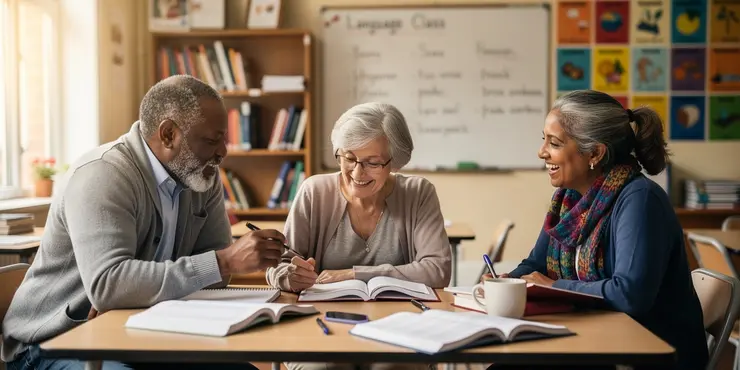
There are countless skills that older adults can consider adopting as hobbies. Language learning is a popular choice, offering both cognitive engagement and social opportunities. Others might take up musical instruments, benefiting from the enjoyment and mental exercise they offer. Artistic pursuits, such as painting or pottery, not only cater to creative expression but also offer therapeutic benefits. Technologies and digital skills can also be incredibly rewarding, opening up new ways to connect with family and friends or even explore digital media creation.
Social and Emotional Impact
One crucial aspect of learning new skills as a hobby is the social connection it can foster. Many courses and workshops, whether in-person or online, provide social environments that enable older adults to meet peers with shared interests. This can alleviate feelings of isolation and promote a sense of belonging. Furthermore, achieving milestones in skill acquisition can significantly enhance emotional well-being by reducing stress and increasing happiness.
Challenges and Considerations
While there are numerous benefits, older adults must also consider the potential challenges when adopting a new skill as a hobby. Physical limitations or health issues can sometimes pose obstacles. Therefore, it's important to choose activities that match one's physical capabilities and interests. Additionally, the cost of courses and materials might be a consideration, so finding budget-friendly options, such as community classes or online resources, can be beneficial.
Conclusion
In conclusion, learning a new skill can indeed be considered a hobby for older adults. It offers the same relaxation, enjoyment, and personal satisfaction traditionally associated with hobbies, alongside numerous cognitive, social, and emotional benefits. With the right approach and a willingness to embrace new challenges, older adults can find immense joy and fulfillment in taking up new skills as hobbies.
Introduction
When older people stop working, they have time to try new things. They might wonder if learning something new can be a hobby. A hobby is something you do for fun and to relax. Learning a new skill can be fun and make you feel good too. Older people might find joy and happiness when they learn something new.
Benefits of Learning a New Skill
Learning something new has many good things for older people. It helps the brain stay healthy and sharp. It can make you feel good and happy. Doing something that challenges your brain can help it stay strong as you get older. Learning a new skill can also make you proud and feel good about yourself, especially if you like reaching new goals.
Examples of Skills as Hobbies
There are many skills that older people can try as hobbies. Learning a new language is popular because it helps your brain and lets you meet new people. Some people might learn to play an instrument, which is fun and good for the brain. Making art, like painting or pottery, is a way to be creative and can make you feel calm. Learning to use new technology can be fun too, as it helps you stay in touch with family and try new things online.
Social and Emotional Impact
Learning new skills as a hobby can help you make friends. Classes and workshops, in person or online, are places to meet people who like the same things. This can make you feel less lonely and part of a group. Reaching new goals can also make you happy and less stressed.
Challenges and Considerations
There can be some challenges when older people learn a new skill. Health problems might make it harder to do some things. It's important to choose activities that you can do and enjoy. The cost of classes and materials might be something to think about, so looking for cheaper options like community classes or free online resources can help.
Conclusion
In short, learning a new skill can be a great hobby for older people. It can be fun, relaxing, and make you feel good. It also helps keep your brain and heart happy. By trying new things, older people can find lots of joy and happiness.
Frequently Asked Questions
Yes, learning a new skill is a productive and enjoyable way for older adults to spend their time and can definitely be considered a hobby.
Learning new skills can help keep the mind sharp, improve cognitive function, provide a sense of accomplishment, and offer opportunities for social interaction.
Yes, engaging in new learning experiences can boost mental health by reducing feelings of depression and anxiety, and by providing a sense of purpose.
Older adults can learn a variety of skills, such as playing a musical instrument, painting, learning a new language, gardening, or computer skills.
No, it is never too late to start learning something new. Many older adults thrive when they take on new challenges and hobbies.
Many new skills and hobbies can be learned in group settings, either in-person or online, which helps older adults make new friends and stay socially connected.
Yes, learning a new skill can improve memory by engaging the brain and creating new neural pathways, which is important for maintaining cognitive health.
Yes, there are numerous online platforms like Coursera, Skillshare, and YouTube that offer courses and tutorials in various subjects tailored to all ages.
Certain skills, such as dancing, yoga, or tai chi, can improve physical health by increasing flexibility, strength, and overall fitness.
Motivation is important as it helps older adults stay committed and enjoy the process of learning and mastering new skills.
Family members can provide encouragement, help find resources, and even participate together to make the learning process enjoyable and engaging.
Older adults can start by exploring their interests or passions, or by thinking about activities they enjoyed in the past and want to revisit or build upon.
Many communities offer adult education classes and workshops at community centers or local colleges specifically designed for older adults.
There is no fixed amount of time; it depends on the individual's interests and goals. Consistency is key, whether it’s a few hours a week or more.
Yes, acquiring new skills can boost confidence and independence by allowing older adults to engage in activities that they might otherwise need help with.
Many skills can be learned through free online resources, library programs, or community workshops that are budget-friendly.
Technology provides access to online classes, forums, and instructional videos that can guide older adults through the learning process.
Yes, group learning can be beneficial as it creates a sense of community, provides peer support, and makes the experience more enjoyable.
Yes, taking on new hobbies and learning new skills can provide structure to a day, helping older adults manage their time more effectively.
Older adults can experience improved self-esteem, reduced stress, and an enhanced sense of achievement through learning new skills as hobbies.
Yes, learning something new is a fun way for older people to spend their time. It can be a great hobby.
Learning new things is good for your mind. It helps you think better, makes you feel proud, and gives you a chance to meet new people.
Yes, trying new things can help you feel happier. It can make you feel less sad or worried. It also gives you something important to do.
Older people can learn many new things. They can learn to play music, paint, speak a new language, garden, or use a computer.
No, it is never too late to learn something new. Many older people do really well when they try new things and hobbies.
You can learn lots of new things and fun activities with others, either by meeting in person or online. This helps older people to make new friends and stay connected with others.
Yes, learning something new can help your memory. It helps your brain get stronger and healthier. This is good for your mind.
Yes, there are many websites where you can learn. Some of these are Coursera, Skillshare, and YouTube. They have classes and videos for people of all ages.
Some activities like dancing, yoga, or tai chi help you stay healthy. They make your body more flexible and strong. They are also good for fitness.
Motivation means feeling excited to do something. It helps older people keep going and have fun when they are learning something new.
Family members can cheer you on and help you find things you need to learn. They can also join in, so learning is fun and exciting.
Older people can start by thinking about what they like to do or have fun with. They can also think about activities they used to enjoy and might want to try again.
Lots of places have classes for grown-ups in their area. These happen at community centers or local colleges. They are made just for older people.
There is no set amount of time for everyone. It depends on what you like and what you want to do. It's important to do it regularly, whether that's a few hours each week or more.
Learning new things can make you feel better and help you do things by yourself. This is really good for older people. It helps them do things on their own without needing help.
You can learn new things for free online. You can also go to the library or join community classes that don’t cost much money.
Technology helps older people learn by giving them online classes, talk groups, and how-to videos. These can show them how to learn new things.
Yes, learning in a group can be good. It helps people feel like they are part of a team, gives them support from friends, and makes learning more fun.
Yes, starting new hobbies or learning new skills can help give a routine to the day. This helps older people use their time better.
Older people can feel better about themselves, worry less, and feel proud by learning new things for fun.

Ergsy Search Results
This website offers general information and is not a substitute for professional advice.
Always seek guidance from qualified professionals.
If you have any medical concerns or need urgent help, contact a healthcare professional or emergency services immediately.
Some of this content was generated with AI assistance. We've done our best to keep it accurate, helpful, and human-friendly.
- Ergsy carefully checks the information in the videos we provide here.
- Videos shown by Youtube after a video has completed, have NOT been reviewed by ERGSY.
- To view, click the arrow in centre of video.
- Most of the videos you find here will have subtitles and/or closed captions available.
- You may need to turn these on, and choose your preferred language.
- Go to the video you'd like to watch.
- If closed captions (CC) are available, settings will be visible on the bottom right of the video player.
- To turn on Captions, click settings.
- To turn off Captions, click settings again.