
Speak To An Expert
Get clear, personalised advice for your situation.
Jot down a few questions to make the most of your conversation.
Introduction
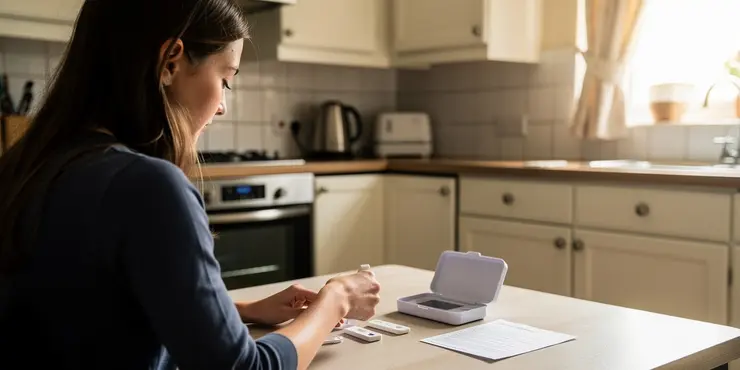
Self-testing has become an increasingly popular method for individuals to monitor various aspects of their health conveniently and efficiently. From at-home COVID-19 tests to blood pressure monitors, self-testing tools are readily available and can benefit people of all ages. This article explores the different age groups that can benefit from self-testing, focusing on the UK audience.
Younger Adults (18-35)
Younger adults in the UK who lead busy lives often find self-testing advantageous due to its convenience and time-saving nature. This age group can greatly benefit from self-tests such as those for sexually transmitted infections (STIs), especially given the high prevalence of such conditions within this demographic. Home test kits for STIs provide privacy and allow prompt action if treatment is necessary. Additionally, self-monitoring of fitness levels using wearable technology has become popular, helping younger adults maintain a healthy lifestyle by tracking metrics such as heart rate and activity levels.
Middle-Aged Adults (36-55)
Middle-aged individuals often experience an increased risk of chronic health conditions like hypertension and diabetes. Self-testing tools for blood pressure and glucose levels allow this age group to monitor their health from the comfort of home, providing valuable data that can be shared with healthcare providers. Moreover, middle-aged adults can benefit from self-testing for high cholesterol and colorectal cancer, which are conditions that become more prevalent as people age. These self-tests enable early detection and management, which is crucial for preventing further health complications.
Older Adults (56 and above)
Older adults in the UK can significantly benefit from self-testing as it empowers them to manage their health proactively. Self-testing devices for monitoring blood pressure, blood sugar, and oxygen saturation are particularly beneficial for those with existing health conditions. Older adults can also benefit from home kits for bone density testing, which can help in early detection of osteoporosis. Regular self-monitoring can lead to timely medical interventions, minimizing the risk of severe illness. Additionally, self-testing promotes independence by reducing the need for frequent trips to healthcare facilities, which is particularly advantageous for those with mobility issues.
Conclusion
In summary, self-testing offers a myriad of benefits across all age groups in the UK. Whether it's the convenience for younger adults, risk management for middle-aged adults, or maintaining independence for older adults, self-testing is an invaluable tool for promoting health and well-being. With the advancement of technology and the increasing availability of home testing kits, individuals can take a more active role in managing their health, leading to more informed health decisions and better outcomes.
Introduction
Self-testing means checking your health at home using special tools. Many people now use self-testing because it is easy and fast. You can test for things like COVID-19 at home, or check your blood pressure. These tools are helpful for everyone, young or old. This article talks about how different age groups in the UK can use self-testing to stay healthy.
Younger Adults (18-35)
Young adults in the UK are often very busy. Self-testing helps them because it saves time and is easy to do. Young people can use tests to check for infections you can get from other people, like sexually transmitted infections (STIs). These tests are private, and you can take action if you need treatment. Also, many young people use gadgets to check how fit and active they are. These gadgets tell them about their heart rate and daily exercise.
Middle-Aged Adults (36-55)
People between 36 and 55 can have more health problems like high blood pressure and diabetes. Self-testing helps them by allowing them to check these conditions at home. They can test their blood pressure and sugar levels easily. Middle-aged adults can also test for high cholesterol and some types of cancer like colorectal cancer. Finding these health issues early can help stop them from getting worse.
Older Adults (56 and above)
Older people in the UK can get a lot of help from self-testing. They can use tools to check blood pressure, blood sugar, and oxygen levels, which is very important if they already have health problems. They can also test their bone strength to watch for osteoporosis. Checking regularly helps them get medical help before things get serious. Self-testing also helps them stay independent because they don't need to go to the doctor as much, which is good for those who find it hard to travel.
Conclusion
To sum up, self-testing is useful for everyone in the UK. Young adults like it because it is quick and easy. Middle-aged people use it to manage health risks. Older adults find it helps them stay independent. With new technology, there are more self-tests available, helping people make better health choices and stay healthy.
Frequently Asked Questions
Self-testing can be beneficial for all age groups provided the tests are appropriate for their age and ability to perform the test safely and accurately.
Children can use self-tests with adult supervision to ensure safety and accurate results.
Yes, self-tests can be reliable for teenagers, particularly when they follow the instructions carefully.
Older adults can benefit from self-tests, especially if they have mobility issues or difficulty accessing healthcare facilities.
Yes, many self-tests are safe for use by pregnant women, but they should consult with a healthcare provider for specific recommendations.
There is no strict age limit, but users should be able to follow instructions accurately and might need assistance depending on the complexity of the test.
Self-tests are generally not recommended for infants unless specifically designed for them, and should always be administered by a healthcare professional.
Early teenagers might benefit from parental guidance to ensure correct usage of the test.
Consider their ability to understand instructions, the nature of the test, and whether supervision is available.
Individuals with cognitive impairments may require assistance to ensure the test is conducted correctly and safely.
Yes, individuals may self-test at different ages, but should always ensure the test is appropriate for their current health condition and lifestyle.
Some self-tests are designed with accessibility features for older adults, such as larger print or simpler instructions.
Some tests are age-specific due to health and physiological differences, so it’s important to choose an appropriate test.
Adults should carefully read and follow all instructions and, if needed, seek clarification from a healthcare provider.
Always supervise self-testing in young children to ensure proper use and to prevent any risks.
This depends on the individual's health and abilities; some may need assistance to safely and accurately perform self-tests.
Not all; some self-tests have age restrictions and specific instructions tailored to certain age groups.
Young adults can use self-testing as a convenient way to monitor their health privately and regularly.
Common self-tests include pregnancy tests, blood glucose tests, and various at-home diagnostic kits.
Self-testing offers convenience, privacy, and accessibility, making it appealing for various age groups looking to monitor their health independently.
Self-testing can be good for everyone if the tests are right for their age and they can do them safely and correctly.
Kids can do tests by themselves if a grown-up helps. This makes sure it's safe and the test works well.
Yes, teenagers can trust self-tests if they follow the steps carefully.
Older people can use self-tests. These are helpful if it is hard for them to move or go to the doctor.
Yes, many self-tests are safe for pregnant women to use. But they should talk to a doctor or nurse to get the best advice.
There is no specific age limit. But, people should be good at following instructions. Some people might need help if the test is hard.
It is usually not a good idea to use self-tests on babies. These tests are not made for them. If a test is made for babies, a doctor or nurse should do the test.
Young teenagers might need help from their parents to use the test the right way.
Think about how well they can follow instructions, what the test is like, and if someone can help watch over them.
People who have trouble thinking or remembering might need help to make sure the test is done right and safely.
Yes, people can test themselves at different ages. But it's important to make sure the test is right for your health and way of living.
Some tests are made to be easier for older people to use. They have bigger letters and simpler rules.
Some tests are made for people of certain ages because our bodies change as we get older. This is why it is important to pick the right test for your age.
Grown-ups need to read all the instructions very carefully. If they don't understand, they should ask a doctor or nurse for help.
Always watch young children when they test themselves. This makes sure they do it right and stay safe.
This depends on how healthy and able the person is. Some people might need help to do the test safely and correctly.
Not all tests are for everyone. Some tests are only for people of certain ages. They have special rules for each age group.
Young people can use simple tests to check their health at home. This means they can do it easily and keep it private.
Some tests you can do at home are: pregnancy tests, tests to check blood sugar, and other test kits you use by yourself.
Self-testing is an easy way to check your health. You can do it at home. You don't need other people to help. It is good for anyone who wants to look after their health by themselves.

Ergsy Search Results
This website offers general information and is not a substitute for professional advice.
Always seek guidance from qualified professionals.
If you have any medical concerns or need urgent help, contact a healthcare professional or emergency services immediately.
Some of this content was generated with AI assistance. We've done our best to keep it accurate, helpful, and human-friendly.
- Ergsy carefully checks the information in the videos we provide here.
- Videos shown by Youtube after a video has completed, have NOT been reviewed by ERGSY.
- To view, click the arrow in centre of video.
- Most of the videos you find here will have subtitles and/or closed captions available.
- You may need to turn these on, and choose your preferred language.
- Go to the video you'd like to watch.
- If closed captions (CC) are available, settings will be visible on the bottom right of the video player.
- To turn on Captions, click settings.
- To turn off Captions, click settings again.