
Get Answers
How Does Inflammation Affect Aging and Gut Health?
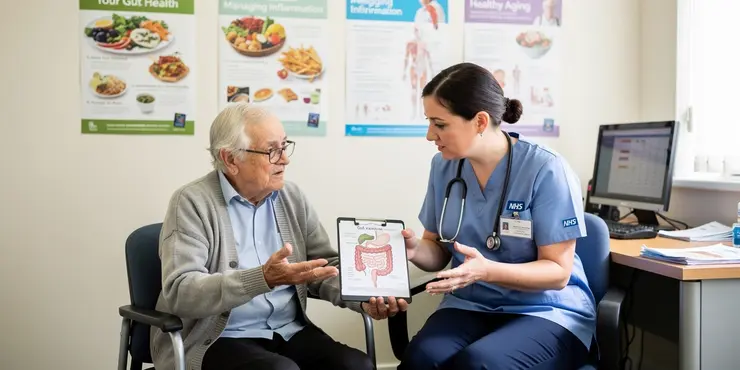
Inflammation is a double-edged sword in human biology. While it is a crucial component of the body's immune response, chronic inflammation has been implicated in a host of health issues, particularly affecting aging and gut health. Understanding the relationship between inflammation, aging, and gut health is vital for promoting a healthy lifestyle and longevity.
As we age, our bodies undergo a myriad of changes. One notable aspect of aging is the increase in systemic inflammation, often referred to as "inflammaging." This persistent, low-grade inflammation can accelerate the aging process and contribute to the progression of age-related diseases such as cardiovascular disease, Alzheimer's, and type 2 diabetes. The inflammatory process associated with aging can lead to cellular damage, disrupting tissue function and repair mechanisms, which manifests as various age-related ailments.
The gut plays a pivotal role in modulating inflammation. It hosts a complex community of trillions of microorganisms, collectively known as the gut microbiota. These bacteria are indispensable for various bodily functions, including digesting food, producing vitamins, and protecting against harmful pathogens. A balanced gut microbiota maintains a healthy intestinal environment and regulates immune responses. However, an imbalance, often caused by poor diet, stress, or illness, can disrupt this harmony and lead to increased intestinal permeability, commonly known as "leaky gut syndrome."
Leaky gut syndrome allows harmful toxins and bacteria to enter the bloodstream, triggering an immune response and causing systemic inflammation. This chronic inflammation can further exacerbate age-related issues and impair overall health. Moreover, the ageing process itself can alter gut microbiota composition, reducing beneficial bacteria and promoting an inflammatory environment.
To mitigate the effects of inflammation on aging and gut health, maintaining a healthy lifestyle is essential. A diet rich in anti-inflammatory foods, such as fruits, vegetables, whole grains, and healthy fats found in olive oil and fatty fish, can support gut health and reduce systemic inflammation. Incorporating probiotics and prebiotics can also promote a diverse and balanced gut microbiota, enhancing gut health and reducing inflammation.
Regular physical activity, adequate sleep, and stress management are equally important in controlling inflammation. Exercise can enhance gut microbiota diversity, while sufficient rest and stress reduction can lower inflammation levels. Avoiding smoking and excessive alcohol consumption also plays a significant role in minimizing inflammatory responses and preserving gut integrity.
In conclusion, inflammation critically impacts both the aging process and gut health. By adopting a healthy lifestyle that focuses on diet, exercise, and stress management, it is possible to reduce inflammation, promote a balanced gut microbiota, and support healthy aging. Understanding and managing inflammation can therefore be a powerful tool in improving quality of life and extending longevity.
Frequently Asked Questions
Inflammation is the body's response to injury or infection, and chronic inflammation has been linked to accelerated aging due to increased wear and tear on the body’s cells and tissues.
Chronic inflammation can disrupt the balance of gut microbiota, leading to conditions such as leaky gut, irritable bowel syndrome, and other digestive issues.
Inflammation is a common underlying factor in many age-related diseases such as Alzheimer's disease, cardiovascular disease, and arthritis.
Yes, a diet rich in anti-inflammatory foods, such as fruits, vegetables, nuts, and fatty fish, can help reduce inflammation and support a healthy gut microbiome.
The gut microbiome plays a crucial role in regulating immune responses and inflammation. A healthy balance of gut bacteria can help prevent chronic inflammation.
Engaging in regular physical activity, managing stress, getting adequate sleep, avoiding smoking, and maintaining a healthy weight can help reduce inflammation.
Foods high in trans fats, refined sugars, and processed foods can contribute to increased inflammation in the body.
Chronic stress can increase inflammation and disrupt gut health by altering hormone levels and affecting gut permeability and microbiota balance.
Probiotics can help restore the balance of gut bacteria and have been shown to reduce inflammation and improve gut health in some cases.
Chronic inflammation can lead to cellular damage and oxidative stress, contributing to premature aging, evidenced by wrinkles, fatigue, and decreased organ function.
Regular moderate exercise can help reduce inflammation by improving circulation, reducing visceral fat, and promoting the release of anti-inflammatory substances.
Non-steroidal anti-inflammatory drugs (NSAIDs) and certain prescription medications can help reduce inflammation, but they should be used under medical supervision.
Inflammation has been linked to depression and cognitive decline, impacting mental health and contributing to the aging process in the brain.
Inflammation can be measured using blood tests that detect markers such as C-reactive protein (CRP) and interleukin-6 (IL-6).
Inflammation can accelerate skin aging by breaking down collagen and elastin, leading to wrinkles, sagging, and loss of elasticity.
Supplements like omega-3 fatty acids, curcumin, and resveratrol may have anti-inflammatory effects, potentially supporting healthy aging and gut function.
Genetic factors can influence an individual's inflammatory response and susceptibility to inflammatory-related aging processes and diseases.
Common signs include persistent fatigue, joint pain, skin irritation, digestive issues, and frequent infections.
Poor sleep can increase inflammation levels and accelerate aging, while good quality sleep helps regulate immune function and reduce inflammation.
Reducing chronic inflammation may help prevent age-related diseases and improve overall longevity by maintaining healthier cells and organs.

Ergsy Search Results
This website offers general information and is not a substitute for professional advice.
Always seek guidance from qualified professionals.
If you have any medical concerns or need urgent help, contact a healthcare professional or emergency services immediately.
Some of this content was generated with AI assistance. We've done our best to keep it accurate, helpful, and human-friendly.
- Ergsy carefully checks the information in the videos we provide here.
- Videos shown by Youtube after a video has completed, have NOT been reviewed by ERGSY.
- To view, click the arrow in centre of video.
- Most of the videos you find here will have subtitles and/or closed captions available.
- You may need to turn these on, and choose your preferred language.
- Go to the video you'd like to watch.
- If closed captions (CC) are available, settings will be visible on the bottom right of the video player.
- To turn on Captions, click settings.
- To turn off Captions, click settings again.