
Get Answers
What Role Do Prebiotics Play in Gut Health and Aging?
Prebiotics are non-digestible food components that promote the growth and activity of beneficial microorganisms in the gut, primarily by serving as a food source for probiotics, which are the live beneficial bacteria. These components are predominantly fibers found in fruits, vegetables, and whole grains, and are essential for maintaining a healthy gut microbiome.
One of the key roles of prebiotics in gut health is their ability to improve digestive function. By feeding beneficial gut bacteria, prebiotics help maintain a balanced microbiome, which is crucial for effective digestion and nutrient absorption. A well-balanced gut microbiota enhances the breakdown of food, assists in the production of vitamins, and supports effective bowel movements, thereby reducing issues such as constipation and bloating.
Prebiotics also play a preventative role against gut-related illnesses. By encouraging the growth of good bacteria, they help crowd out harmful pathogens, potentially reducing the risk of infections and inflammation within the gut. This is particularly important for preventing illnesses like Irritable Bowel Syndrome (IBS) and inflammatory bowel diseases such as Crohn’s disease and ulcerative colitis.
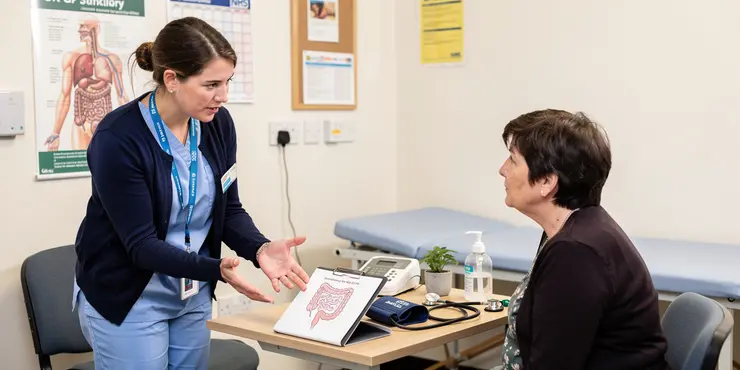
The importance of prebiotics extends beyond gut health into the realm of aging. As we age, the diversity and number of beneficial bacteria in our gut naturally decline, which can lead to a host of health issues. Prebiotics help maintain or even increase this diversity, supporting better digestive health and overall wellbeing in older age. Moreover, a healthy gut is linked to better immune function, reduced inflammation, and improved cardiovascular health, all of which are critical factors in healthy aging.
Furthermore, recent research suggests that gut health is closely linked to mental health, a connection known as the gut-brain axis. By promoting a robust and balanced gut microbiome, prebiotics may play a role in supporting mental health as we age, potentially impacting conditions such as depression and anxiety, which are more prevalent among the elderly population.
Incorporating prebiotics into the diet can be achieved through increased consumption of foods like chicory root, garlic, onions, leeks, asparagus, and bananas. For those who find it challenging to obtain sufficient prebiotics from their diet alone, supplements are available, although it is advisable to consult with a healthcare provider before beginning any supplementation.
In conclusion, prebiotics play an essential role in supporting gut health and the aging process by promoting a diverse and beneficial microbiome. Given the multitude of benefits associated with a healthy gut, focusing on prebiotic intake could be a vital component of dietary habits aimed at enhancing health and wellbeing, particularly in later life.
Frequently Asked Questions
Prebiotics are non-digestible food components, typically fibers, that selectively promote the growth or activity of beneficial gut bacteria.
Prebiotics improve gut health by stimulating the growth of beneficial bacteria such as Bifidobacteria and Lactobacilli, enhancing the gut microbiome balance.
Yes, prebiotics can contribute to healthier aging by supporting a healthy gut microbiota, which is linked to improved digestion, better immune function, and reduced inflammation.
Common sources include dietary fibers found in foods like garlic, onions, leeks, asparagus, bananas, and whole grains.
Prebiotics act as food for probiotics, bacteria that provide health benefits, and together they contribute to gut health by maintaining a balanced microbiome.
Yes, prebiotics can enhance immune function by promoting the growth of good bacteria that influence immune responses and protect against pathogens.
Prebiotics improve digestive health by supporting the growth of beneficial bacteria, which aid in efficient digestion and nutrient absorption.
Prebiotics may influence mental health by supporting gut microbiota that can affect the gut-brain axis, potentially impacting mood and emotional well-being.
Prebiotics can aid weight management by promoting satiety and supporting a healthy gut microbiome, which may influence metabolism and fat storage.
Prebiotics are non-digestible fibers that fuel beneficial bacteria, whereas probiotics are live beneficial bacteria themselves.
Some individuals may experience digestive issues like bloating and gas when first increasing prebiotic intake, but these typically subside as the body adjusts.
Most people can benefit from prebiotics as part of a balanced diet; however, those with specific gut sensitivities or conditions should consult a healthcare provider.
Prebiotics support colon health by promoting beneficial bacteria, which produce short-chain fatty acids that nourish colon cells and may reduce cancer risk.
Prebiotics can help reduce inflammation by encouraging beneficial bacteria that produce anti-inflammatory compounds and compete with harmful pathogens.
By promoting a healthy gut flora, prebiotics can improve the absorption of essential nutrients like calcium, magnesium, and iron.
Prebiotics aid in energy levels by supporting gut bacteria that are involved in the fermentation of fibers, producing short-chain fatty acids that can be used as energy sources.
Inulin and oligofructose are types of prebiotic fibers found in various fruits and vegetables, known for their ability to stimulate beneficial gut bacteria growth.
Gut health affects overall health by influencing digestion, immune function, inflammation, mental health, and more, making it a vital component of overall well-being.
Prebiotics may help manage some gastrointestinal disorders by promoting beneficial bacteria and reducing harmful pathogens, though more research is needed.
Aging individuals can incorporate more prebiotics by consuming high-fiber foods like whole grains, fruits, and vegetables or by using prebiotic supplements if suggested by healthcare providers.

Ergsy Search Results
This website offers general information and is not a substitute for professional advice.
Always seek guidance from qualified professionals.
If you have any medical concerns or need urgent help, contact a healthcare professional or emergency services immediately.
Some of this content was generated with AI assistance. We've done our best to keep it accurate, helpful, and human-friendly.
- Ergsy carefully checks the information in the videos we provide here.
- Videos shown by Youtube after a video has completed, have NOT been reviewed by ERGSY.
- To view, click the arrow in centre of video.
- Most of the videos you find here will have subtitles and/or closed captions available.
- You may need to turn these on, and choose your preferred language.
- Go to the video you'd like to watch.
- If closed captions (CC) are available, settings will be visible on the bottom right of the video player.
- To turn on Captions, click settings.
- To turn off Captions, click settings again.