
Find Help
More Items From Ergsy search
-
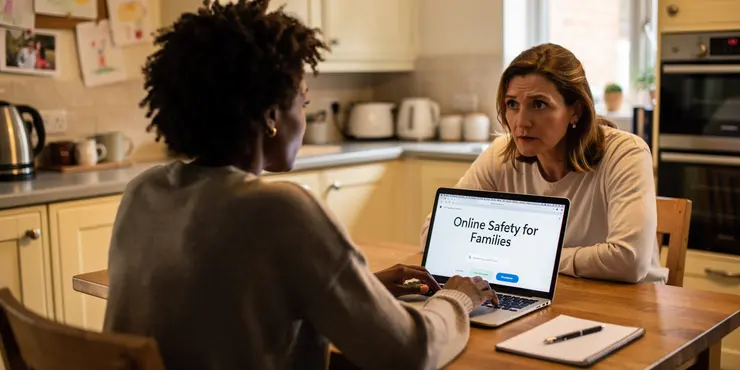
How can I tell if my child is being groomed?
Relevance: 100%
-
5 Warning Signs of Online Grooming
Relevance: 75%
-
Child Bereavement
Relevance: 41%
-
My Stammering Child
Relevance: 41%
-
Navigating Child Custody Laws in the UK
Relevance: 38%
-
Caring for a child with fever | NHS
Relevance: 37%
-
Child Care Proceedings | Family Law
Relevance: 36%
-
Can my child get braces on the NHS?
Relevance: 35%
-
My child has vomiting and diarrhoea - what do I do?
Relevance: 35%
-
How to Keep a Child With Chickenpox Comfortable
Relevance: 35%
-
Navigating Child Custody and Visitation Rights in Modern UK
Relevance: 35%
-
What happens when my child has an EEG?
Relevance: 34%
-
Advice if your child has... A High temperature
Relevance: 34%
-
Managing and treating your child's eczema
Relevance: 33%
-
What to do when your child has... croup
Relevance: 33%
-
Should I test my child for high blood pressure?
Relevance: 33%
-
Stammering myth 4: You should ignore a child's stammer
Relevance: 33%
-
Eczema - Your child's appointment | Dermatology | Paediatrics
Relevance: 33%
-
How do I treat my child's cold? (9 - 30 months) | NHS
Relevance: 32%
-
Having a child with Down's syndrome | NHS
Relevance: 32%
-
Understanding Parental Rights in Light of New UK Child Protection Legislation
Relevance: 32%
-
Campaigners Urge Review of Child Benefit Rates in Light of Inflation
Relevance: 32%
-
Three-year limit for child sexual abuse claims to be removed
Relevance: 32%
-
Factors that trigger eczema in your child
Relevance: 31%
-
Should I screen my child for type 1 diabetes?
Relevance: 30%
-
Building Understanding and Supporting Your Child with Tourette’s Syndrome/Tics
Relevance: 30%
-
What should I do if my child has impetigo?
Relevance: 27%
-
Having a child with Edwards' syndrome (trisomy 18) | NHS
Relevance: 27%
-
What criteria must be met for a child to be eligible for free school meals?
Relevance: 27%
-
How can I identify if my child has SEND?
Relevance: 26%
-
How can parents advocate for their SEND child?
Relevance: 26%
-
How many grams of sugar should a child consume daily?
Relevance: 26%
-
What British Council Scholarships/Bursaries may be available to help me with the education costs of my child?
Relevance: 22%
-
Can gonorrhoea be passed from mother to child?
Relevance: 19%
-
Why is it important to test my child for high blood pressure?
Relevance: 17%
-
Having an operation at the Children’s Centre
Relevance: 16%
-
How are parents involved in the SEND process?
Relevance: 15%
-
Children Act 1989 section 20 - Legislation
Relevance: 15%
-
Having an operation in Oxford Children's Hospital with YiPpEe
Relevance: 15%
-
Dealing with Common Childhood Illnesses
Relevance: 15%
Understanding Grooming
Grooming refers to the process where someone builds a relationship, trust, and emotional connection with a child to manipulate, exploit, and abuse them. It can happen both online and offline and is a serious issue many parents are increasingly concerned about.
Often, groomers will try to gain the child’s trust by making them feel special or by isolating them from family and friends. Recognising the signs early is crucial to prevent harm.
Recognising Behavioural Changes
One of the first signs that a child might be being groomed is a change in their typical behaviour. They may seem more withdrawn, secretive, or start spending more time on their devices.
If your child is unusually anxious, upset, or angry, particularly after spending time online, it could suggest they are experiencing inappropriate interactions.
Monitoring Online Activity
Children being groomed often become overly protective of their online life. If they are quickly closing tabs when you approach or begin to use apps or platforms you are unfamiliar with, this could be a warning sign.
Unexpected changes such as receiving gifts, money, or having secretive conversations on their devices should also raise concern.
Noticing New Relationships
If your child mentions an older friend who you have not met or does not want to talk about, it could be a red flag. Groomers often try to introduce themselves as mentors or friends to win trust easily.
Be attentive if your child suddenly starts to receive messages from strangers or if they have new friends whose origin is unclear or suspicious.
Taking Action
It's important to maintain open communication with your child. Encourage them to talk about their day and any new people they may be interacting with online or offline.
If you suspect grooming, contact local authorities or organisations like the NSPCC for guidance. Early intervention can prevent potential abuse and trauma.
Using Available Resources
The UK has several resources such as CEOP (Child Exploitation and Online Protection) and NSPCC, which provide advice and support for concerned parents. These organisations can assist in identifying suspicious behaviour and taking the right steps.
Also, consider using parental controls and privacy settings on devices to monitor and limit your child’s exposure to potentially harmful individuals online.
What is Grooming?
Grooming is when a person tries to make friends with a child to do harm. They might trick the child to trust and like them. This can happen online or in person. It is something parents worry about a lot.
Groomers often try to make the child feel special. They might also try to keep the child away from family and friends. It is important to notice these things early.
Changes in How Kids Act
One sign of grooming is when a child's behaviour changes. They might seem sad, secretive, or spend more time on their devices than before.
If your child is upset, worried, or angry after being online, they might be having a bad experience.
Watching Online Use
A child being groomed might hide what they do online. They might close tabs fast when you come close. Or they might use new apps that you do not know.
If they start getting gifts or money, or have secretive chats, this is also a concern.
Noticing New Friends
If your child talks about an older friend that you have not met, be careful. Groomers try to seem like friends or mentors to gain trust.
Pay attention if your child gets messages from strangers or has new friends you do not know much about.
What to Do
It’s important to talk openly with your child. Ask them about their day and the people they meet online or offline.
If you think grooming might be happening, contact the police or groups like the NSPCC. Acting fast can stop harm from happening.
Helpful Resources
In the UK, there is help from places like CEOP and NSPCC. They give advice to worried parents. They can help you see if something is wrong and what to do next.
Think about using parental controls and privacy settings on devices. This can help keep your child safe online.
Frequently Asked Questions
What are the common signs that a child might be a victim of grooming?
Some common signs include secretive behavior, unexplained gifts, spending more time online, changes in behavior or mood, and distancing from family and friends.
How does online grooming typically start?
Online grooming often starts with an individual gaining a child's trust through conversations on social media, chat rooms, or gaming platforms.
What should I do if I suspect my child is being groomed?
If you suspect grooming, talk to your child calmly and openly. Contact authorities and consider consulting a professional for guidance.
Are there specific apps or websites where grooming is more prevalent?
Groomers can be present on any app or website with social interaction features, like social media, gaming sites, or chat services.
Can grooming happen in real-life settings, not just online?
Yes, grooming can occur in real-life situations, such as through trusted adults or individuals in positions of authority within the community.
What age group is most at risk for grooming?
While grooming can happen to any age group, adolescents are often more at risk due to their increased online presence and natural tendency to seek validation.
How can I educate my child to recognize grooming behaviors?
Talk to your child about safe online practices, the importance of boundaries, and encourage them to speak up if they feel uncomfortable with any interaction.
What role does secrecy play in the grooming process?
Secrecy is crucial for groomers, as they manipulate the child to keep their interactions hidden from parents and guardians.
Is it possible to prevent grooming entirely?
While it's difficult to prevent entirely, educating children and maintaining open lines of communication can significantly reduce the risk.
Do groomers target children with specific vulnerabilities?
Yes, groomers often target children who appear emotionally vulnerable, isolated, or in need of attention and support.
What online safety measures can parents implement?
Parents can use parental controls, monitor online activity, and educate children about privacy settings and the dangers of sharing personal information.
How important is it to talk to children about their online interactions?
It's essential to discuss online interactions regularly to ensure children feel comfortable reporting any suspicious behavior.
Should I limit my child's internet usage to prevent grooming?
Rather than restrict usage, guide responsible internet use and actively engage in discussions about online safety.
How can I tell the difference between normal teenage secrecy and potential grooming?
While normal secrecy involves some privacy, grooming may present more drastic behavioral changes, secretive communication, and unexplained new items or money.
Are boys or girls more likely to be targets of grooming?
Both boys and girls can be targets, although girls are more frequently reported as victims. It’s important to protect all children regardless of gender.
How does self-esteem affect a child's susceptibility to grooming?
Children with low self-esteem may be more susceptible to grooming as they might seek validation and attention from outside sources.
What professional resources are available if grooming is suspected?
Consider contacting child protection services, the police, or nonprofit organizations that specialize in child safety for assistance and support.
How can I build my child's self-confidence to help prevent grooming?
Encourage open communication, praise achievements, foster independence, and teach them to critically assess others' intentions.
What is the role of peer support in preventing grooming?
Encouraging healthy friendships and peer support can provide additional layers of protection and another line of communication if something feels wrong.
How important is family involvement in identifying grooming behaviors?
Family involvement is crucial in noticing changes in behavior and providing the support and environment needed for the child to feel safe discussing any concerns.
How can you tell if a child is being groomed?
Here are some things to look out for:
- Keeping secrets
- Getting presents that can't be explained
- Spending lots of time on the internet
- Acting differently or feeling moody
- Staying away from family and friends
To help, you can use tools like:
- Talking openly with someone you trust
- Using apps to set time limits online
- Writing down your feelings in a journal
How does online grooming usually begin?
Online grooming often starts when someone bad tries to be friends with a child on the internet. This person might pretend to be nice, but they have bad plans. They will try to talk to the child a lot and make them trust them.
It's important to stay safe online. Here are some ways to help:
- Only talk to people you know and trust online.
- Never share personal information, like your address or phone number.
- If someone makes you feel uncomfortable, tell a trusted adult right away.
- Use privacy settings on all your devices.
Online grooming is when someone tries to be friends with a child on the internet. They might talk to the child on social media, in chat rooms, or while playing games online. They do this to make the child trust them.
What to Do if You Think Someone is Hurting Your Child?
Here are steps you can take:
- Talk to your child. Ask them if anything is wrong or if someone is making them feel scared.
- Listen carefully. Let your child know it’s okay to talk and that you will help.
- Show love and support. Let your child know they are safe with you.
- Tell a trusted adult. Talk to a teacher, doctor, or someone you trust.
- Call a helpline. Ask for advice from experts. They can tell you what to do next.
If you think someone might be trying to trick your child, talk to them calmly and kindly. Let the police know. You can also talk to a helper, like a counselor, for more advice.
Which apps or websites have more grooming?
People who try to trick others can be on any app or website where people talk to each other. This can happen on social media, gaming sites, or chat services.
Can grooming happen in real-life places, not just online?
Grooming is when a person tries to make friends with someone, sometimes to do something wrong. Grooming can happen in real-life places, not just on the internet. It can happen at school, in parks, or during activities.
If something makes you feel worried, tell a safe adult. You can always talk to a teacher, parent, or carer. They can help you and keep you safe.
Using simple words and asking an adult if you are not sure can help you understand this better.
Yes, sometimes people we trust, like adults or leaders in the community, can try to trick us. This is called grooming, and it can happen in real life.
Who is in danger from grooming?
Grooming can happen to anyone, but it often happens more to teenagers. This is because teenagers are online a lot and want to feel liked.
If you feel unsure or need help, talk to someone you trust like a parent or teacher.
How can I teach my child to spot unsafe people?
Here are some simple ways to help your child:
- Talk to your child about safe and unsafe secrets.
- Help your child understand their feelings. It's okay to say "no" to things that feel wrong.
- Teach your child to tell a trusted adult if someone makes them feel uncomfortable.
- Use storybooks or videos made for kids to explain unsafe behaviors.
- Practice situations with your child using role-play to recognize and handle unsafe people.
Support tools or techniques:
- Use pictures and videos to explain. They help make things clearer.
- Keep conversations short and simple. Repeat often so they remember.
- Use apps or games that teach safety in a fun way.
- Ask teachers or counselors if they have any resources or advice.
Chat with your child about staying safe online. Talk about setting rules and tell them it's okay to tell you if something makes them feel upset or worried.
How is secrecy used in grooming?
Secrecy is when someone keeps things hidden. In grooming, secrecy is important. People who groom try to make others keep secrets. This makes it easier for them to do bad things.
Tools that can help:
- Talking to a trusted adult if asked to keep a secret.
- Using social stories to learn about safe and unsafe secrets.
- Practicing what to do if someone asks you to keep a secret that makes you uncomfortable.
Groomers keep secrets. They try to make sure the child does not tell their parents or guardians what is happening.
Can we stop grooming completely?
Grooming means tricking someone to trust you so you can hurt them. It is very hard to stop grooming all the time. People who groom others are sneaky.
Here are some ways to help keep safe:
- Talk to someone you trust if something feels wrong.
- Ask an adult for help if a person wants to meet you alone.
- Use privacy settings online.
- Do not share personal information with strangers.
You can ask a friend or adult to support you. There are also apps and tools to make sure you stay safe online.
It's hard to stop it completely, but teaching kids and talking with them can help a lot.
Do bad people who try to trick kids look for kids who have certain problems?
Yes, some people called groomers try to befriend kids who are feeling sad, alone, or need someone to talk to.
- Stay close to trusted adults like parents or teachers.
- Talk about your feelings with someone you trust.
- Be careful when talking to strangers online.
- Remember, it's okay to say no and ask for help.
How can parents keep kids safe online?
Parents can use special tools to keep kids safe online. They can watch what their children are doing on the internet and talk to them about keeping personal stuff private and not sharing it with everyone.
Why is it important to talk to kids about what they do online?
It's important to talk about being online often. This helps kids feel safe telling an adult if something seems wrong.
Is it a good idea to let my child use the internet less to keep them safe from strangers?
Here are some ways to help:
- Use child-friendly settings on devices.
- Talk with your child about being safe online.
- Spend time online with your child to see what they do.
Instead of stopping people from using the internet, help them use it safely. Talk with them about how to be safe online.
How do I know if my teenager is just being private or if they might be in danger?
Secrecy is when someone keeps things private. But grooming is different. It can change how a person acts. They might start hiding their conversations. They could have new things or money, and you won't know why.
Who is more at risk of grooming, boys or girls?
Grooming is when someone tries to be friends with a child to hurt them later. It can happen to both boys and girls. Parents and caregivers should watch for signs. Kids should talk to trusted adults if something makes them feel uncomfortable.
Helpful tips:
- Use simple language when talking about safety.
- Encourage kids to share their feelings.
- Teach kids about boundaries and safe relationships.
- Read stories or watch videos that explain safety in a fun way.
Boys and girls can both be picked on. But people say it happens to girls more often. We need to keep all kids safe, no matter if they are boys or girls.
Does Feeling Good About Yourself Help Keep You Safe?
When kids feel good about themselves, they are strong. Feeling good can help keep them safe from people who might try to trick or hurt them. These people are called groomers.
Kids with strong self-esteem can say, "No." They can tell a grown-up they trust if something does not feel right.
Here are some ways to help kids feel good about themselves:
- Tell them they are important and loved.
- Help them try new things and learn.
- Listen to them and talk with them.
- Encourage them to share how they feel.
Children who do not feel good about themselves may be more easily tricked by people who want to harm them. This is because they might look for love and attention from other people.
Where can I get help if I think someone is in danger?
If you think someone is trying to trick or hurt a child, you can talk to these people:
- Teachers: A teacher can listen and help.
- School Counselors: They are good at giving advice and finding more help.
- Police: The police keep people safe. You can tell them if something is wrong.
- Helplines: You can call special phone numbers to talk to someone who understands.
Remember, it is important to talk to someone you trust.
You can call for help from important people if you think a child is not safe.
You can talk to:
- People who help keep children safe (like child protection services)
- The police
- Groups that help keep kids safe. They help and support you.
How can I help my child feel good and stay safe?
Here are some tips to help your child:
- Talk: Spend time talking with your child. Listen to them and let them share their thoughts and feelings.
- Praise: Tell your child when they do something good. This makes them feel happy and proud.
- Learn Together: Do activities that teach new things. This could be reading a book or playing a game.
- Use Tools: Apps and websites can help. Look for ones that are made for kids to learn and feel safe.
- Be There: Show your child they can always talk to you if something worries them.
Remember, everyone needs a little help sometimes. It is okay to ask for advice from teachers or family members.
Talk and listen to each other. Say "well done" when someone does something good. Help people do things on their own. Show them how to think about what others want and why.
How can friends help stop grooming?
Having good friends can help keep you safe. Friends can talk to you if something feels wrong. They make you feel better and help you out.
How can families help spot grooming?
It is important for family members to see when a child acts differently. Families can help a lot by making a safe and caring space. This way, the child can talk about their worries.

Useful Links
This website offers general information and is not a substitute for professional advice.
Always seek guidance from qualified professionals.
If you have any medical concerns or need urgent help, contact a healthcare professional or emergency services immediately.
- Ergsy carfully checks the information in the videos we provide here.
- Videos shown by Youtube after a video has completed, have NOT been reviewed by ERGSY.
- To view, click the arrow in centre of video.
- Most of the videos you find here will have subtitles and/or closed captions available.
- You may need to turn these on, and choose your preferred language.
- Go to the video you'd like to watch.
- If closed captions (CC) are available, settings will be visible on the bottom right of the video player.
- To turn on Captions, click settings .
- To turn off Captions, click settings again.
More Items From Ergsy search
-
How can I tell if my child is being groomed?
Relevance: 100%
-
5 Warning Signs of Online Grooming
Relevance: 75%
-
Child Bereavement
Relevance: 41%
-
My Stammering Child
Relevance: 41%
-
Navigating Child Custody Laws in the UK
Relevance: 38%
-
Caring for a child with fever | NHS
Relevance: 37%
-
Child Care Proceedings | Family Law
Relevance: 36%
-
Can my child get braces on the NHS?
Relevance: 35%
-
My child has vomiting and diarrhoea - what do I do?
Relevance: 35%
-
How to Keep a Child With Chickenpox Comfortable
Relevance: 35%
-
Navigating Child Custody and Visitation Rights in Modern UK
Relevance: 35%
-
What happens when my child has an EEG?
Relevance: 34%
-
Advice if your child has... A High temperature
Relevance: 34%
-
Managing and treating your child's eczema
Relevance: 33%
-
What to do when your child has... croup
Relevance: 33%
-
Should I test my child for high blood pressure?
Relevance: 33%
-
Stammering myth 4: You should ignore a child's stammer
Relevance: 33%
-
Eczema - Your child's appointment | Dermatology | Paediatrics
Relevance: 33%
-
How do I treat my child's cold? (9 - 30 months) | NHS
Relevance: 32%
-
Having a child with Down's syndrome | NHS
Relevance: 32%
-
Understanding Parental Rights in Light of New UK Child Protection Legislation
Relevance: 32%
-
Campaigners Urge Review of Child Benefit Rates in Light of Inflation
Relevance: 32%
-
Three-year limit for child sexual abuse claims to be removed
Relevance: 32%
-
Factors that trigger eczema in your child
Relevance: 31%
-
Should I screen my child for type 1 diabetes?
Relevance: 30%
-
Building Understanding and Supporting Your Child with Tourette’s Syndrome/Tics
Relevance: 30%
-
What should I do if my child has impetigo?
Relevance: 27%
-
Having a child with Edwards' syndrome (trisomy 18) | NHS
Relevance: 27%
-
What criteria must be met for a child to be eligible for free school meals?
Relevance: 27%
-
How can I identify if my child has SEND?
Relevance: 26%
-
How can parents advocate for their SEND child?
Relevance: 26%
-
How many grams of sugar should a child consume daily?
Relevance: 26%
-
What British Council Scholarships/Bursaries may be available to help me with the education costs of my child?
Relevance: 22%
-
Can gonorrhoea be passed from mother to child?
Relevance: 19%
-
Why is it important to test my child for high blood pressure?
Relevance: 17%
-
Having an operation at the Children’s Centre
Relevance: 16%
-
How are parents involved in the SEND process?
Relevance: 15%
-
Children Act 1989 section 20 - Legislation
Relevance: 15%
-
Having an operation in Oxford Children's Hospital with YiPpEe
Relevance: 15%
-
Dealing with Common Childhood Illnesses
Relevance: 15%


